

The 2026 Smart Betta Tank
Betta keeping is shifting toward data-driven care. We're moving beyond simply providing a heated, filtered tank to proactive monitoring and automated adjustments. The goal is to leverage technology to create an environment that consistently meets a betta’s needs, minimizing stress and maximizing health.
Traditional betta tank setups rely on owner observation and manual intervention. Water changes are scheduled, not triggered by water quality. Feeding is often based on habit, not individual consumption. These methods work but introduce opportunities for error and can miss subtle changes in a betta’s condition. The biggest limitation is reacting to problems instead of preventing them.
By 2026, expect widespread adoption of sensors and automated systems that address these limitations. These “smart” tanks won’t replace the joy of observing your betta, but they will free you from constant worry and provide insights into your fish’s well-being that were previously impossible to obtain. The biggest shift will be in proactive health monitoring, allowing for early intervention and potentially preventing serious illness.
Smart aquarium technology augments human fishkeeping. Think of it as a dedicated assistant constantly monitoring conditions and alerting you to potential issues. It shifts care from reactive to preventative, ensuring a longer, healthier life for your betta.
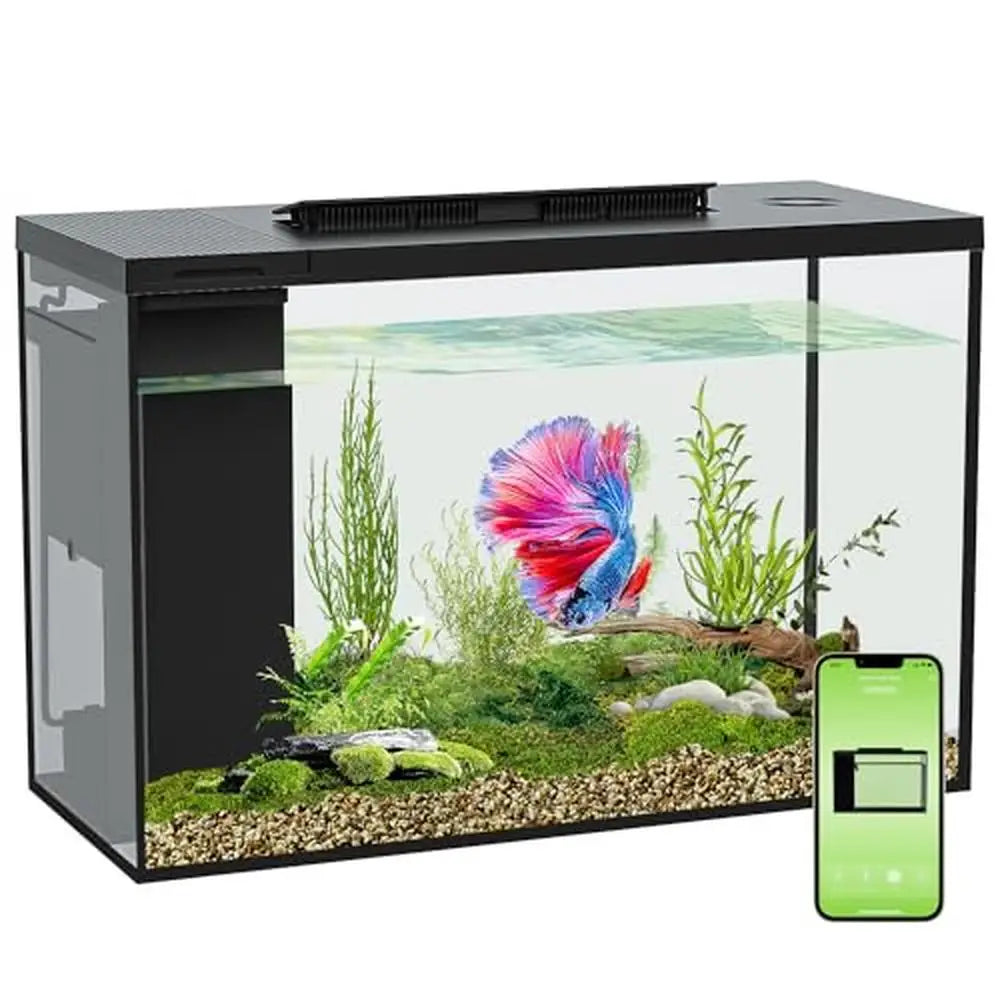
Automated Water Quality Control
Water quality is the most important factor in betta health. For years, maintaining quality meant regular testing with liquid test kits and diligent water changes. In 2026, this process will be largely automated. Filtration systems will evolve beyond simple mechanical, chemical, and biological filtration to incorporate real-time monitoring and adaptive responses.
This automation will be built on sensors capable of continuously measuring key water parameters: ammonia, nitrite, nitrate, pH, and temperature. These sensors aren't new, but their accuracy, reliability, and affordability are improving rapidly. Companies like Atlas Scientific and Yokogawa have been producing industrial-grade sensors for years; these technologies are now trickling down to the hobbyist market.
Imagine a system that detects a slight rise in ammonia levels and automatically initiates a small water change, or adds beneficial bacteria to the filter. A system could adjust the pH based on your betta’s and the tank’s plants’ specific needs. These systems will be controlled by microcontrollers like the Raspberry Pi or Arduino, allowing for customized programming and integration with other smart home devices.
Long-term sensor reliability is a question. Biofilm buildup and mineral deposits can affect accuracy, so regular calibration and maintenance will be essential. Expect self-cleaning sensors or automated calibration systems to address this issue. Sensor lifespan should be at least 12-18 months before replacement.
- Ammonia Sensor: Monitors levels of highly toxic ammonia.
- Nitrite Sensor: Tracks nitrite, another harmful byproduct of the nitrogen cycle.
- Nitrate Sensor: Measures nitrate, the end product of the nitrogen cycle – indicating the need for water changes.
- pH Sensor: Ensures the water’s acidity/alkalinity is within the optimal range (typically 6.5-7.5 for bettas).
- Temperature Sensor: Maintains a stable temperature between 78-82°F (25-28°C).
Water Quality Sensor Technology Comparison for Betta Fish Tanks (2026)
| Technology | Accuracy | Cost | Maintenance | Lifespan | Pros | Cons |
|---|---|---|---|---|---|---|
| Optical Sensors (Colorimetric) | Generally good for nitrate, pH, and ammonia; accuracy can be affected by water clarity. | Moderate | Requires periodic cleaning of optical path; potential for biofouling. | 2-5 years (depending on use and cleaning) | Non-consumable reagents in some models; can measure multiple parameters with one sensor. | Susceptible to interference from particulate matter; calibration needed; can be less accurate for very low or high readings. |
| Electrochemical Sensors (pH, Dissolved Oxygen) | High accuracy for specific parameters when calibrated correctly. | Low to Moderate | Requires regular calibration and electrode replacement. | 1-3 years (electrode lifespan) | Relatively inexpensive; widely available; fast response time. | Electrodes degrade over time; sensitive to temperature fluctuations; requires careful calibration. |
| Ion-Selective Electrodes (ISE) - Nitrate, Ammonium | Very high selectivity and accuracy for target ions. | High | Requires frequent calibration and specialized cleaning solutions; membrane replacement. | 6 months - 2 years (membrane lifespan) | Highly specific measurements; useful for tracking specific pollutants. | Expensive; fragile membranes; susceptible to interference from other ions if not properly maintained. |
| Conductivity Sensors (Total Dissolved Solids) | Good for estimating overall water quality and salinity, but doesn't identify specific pollutants. | Low | Minimal maintenance; occasional cleaning to remove buildup. | 5-10 years | Durable; simple to use; provides a general indication of water quality. | Doesn't provide information about specific water parameters; affected by all dissolved ions. |
| Digital Microfluidic Sensors | Potentially very high accuracy and multi-parameter detection. | Currently High, expected to decrease. | Potentially low, automated cleaning possible. | 3-5 years (depending on fluidic components) | Small footprint; potential for lab-on-a-chip functionality; can be integrated with AI systems. | Still under development; higher initial cost; complex technology. |
| Redox Potential (ORP) Sensors | Indicates the oxidizing or reducing capacity of the water; useful as a general water quality indicator. | Moderate | Requires periodic cleaning and calibration. | 2-4 years | Can detect changes in water quality before they become visible with other tests. | Doesn't directly measure specific pollutants; interpretation can be complex. |
Illustrative comparison based on the article research brief. Verify current pricing, limits, and product details in the official docs before relying on it.
AI-Powered Feeding Schedules
Feeding is another area ripe for innovation. Traditional feeding schedules are often based on general guidelines, but every betta has unique metabolic needs. AI-powered feeding systems will learn a betta’s specific eating habits and adjust feeding schedules accordingly.
Smart feeders will use cameras and image recognition to track how much food a betta consumes at each feeding. Machine learning algorithms will analyze this data to identify patterns and optimize the feeding schedule. The goal is to deliver the precise amount of food needed, minimizing waste and preventing overfeeding.
It’s not just about when they eat, but how much. Some bettas are enthusiastic eaters, while others are more finicky. AI can account for these differences and adjust portion sizes to maintain a healthy weight and body condition. Expect personalized diets based on a betta’s age, health status, and activity level.
Brands like Automatic Fish Feeder and eSHa produce
Illumination and Behavioral Analysis
Lighting plays a surprisingly important role in betta behavior and health. Proper illumination can enhance their colors, stimulate natural behaviors, and promote overall well-being. In 2026, smart lighting systems will move beyond simple on/off timers to offer dynamic control over color temperature and intensity.
These systems will be able to simulate natural day/night cycles, gradually increasing and decreasing light intensity to mimic sunrise and sunset. They’ll also allow you to adjust the color temperature to create different effects. For example, a warmer color temperature can encourage breeding behavior, while a cooler color temperature can promote rest. I've read that bettas respond well to specific color wavelengths, particularly in the red and blue spectrum.
But the real potential lies in combining smart lighting with AI-powered behavioral analysis. Cameras will monitor a betta’s movements and activity patterns, identifying subtle changes that may indicate stress or illness. For example, a sudden decrease in activity level or a change in swimming pattern could be an early sign of a health problem.
The AI can then automatically adjust the lighting to create a more calming environment or alert the owner to potential issues. This proactive approach can help prevent problems before they become serious. This is a great example of how technology can enhance our ability to understand and care for our bettas.
- Day/Night Cycle Simulation: Mimics natural light patterns for optimal health.
- Adjustable Color Temperature: Allows you to customize the lighting to suit your betta’s needs.
- Behavioral Monitoring: Tracks activity levels and identifies potential health issues.
- Automated Alerts: Notifies you of any concerning changes in behavior.
Predictive Health Monitoring
This is where things get really interesting. The ultimate goal of smart betta tank technology is to predict health issues before they become serious. This requires a sophisticated system that can collect and analyze data from multiple sources, including water quality sensors, behavioral monitors, and even image analysis.
Imagine sensors that can monitor a betta’s respiration rate, heart rate, and activity level. Subtle changes in these vital signs can be early indicators of illness. Machine learning algorithms can analyze this data and identify patterns that are associated with specific diseases.
For example, a slight increase in respiration rate combined with a decrease in activity level could be a sign of a bacterial infection. The AI can then alert the owner to the potential problem and recommend appropriate treatment. This early warning system can significantly improve a betta’s chances of recovery.
This technology relies on access to large datasets of betta health information. Citizen science initiatives, where betta owners contribute data from their smart tanks, will be crucial for training these AI models. The more data we have, the more accurate and reliable these predictions will become. Companies like Fluval are already exploring sensor integration in their systems, paving the way for predictive health monitoring.
While the technology is still in its early stages, the potential benefits are enormous. We could see a future where betta owners receive personalized health reports and recommendations, helping them to provide the best possible care for their fish.
Tank Maintenance Automation
Let's be honest: tank maintenance is the least enjoyable part of betta keeping. But what if we could automate some of these tasks? In 2026, we’ll see a growing number of devices designed to reduce the burden of tank maintenance.
Automated gravel vacuums are already in development, though I’m somewhat skeptical about their effectiveness in navigating complex tank layouts. Algae scrapers, on the other hand, seem much more achievable. Robotic algae scrapers can be programmed to clean the glass on a regular schedule, preventing unsightly algae blooms.
These devices can be integrated with smart home systems for remote control and scheduling. Imagine being able to schedule a tank cleaning from your smartphone while you’re at work. The possibilities are endless. Brands like Jebao are already producing automated water changers, offering a glimpse into the future of tank maintenance.
The key will be finding a balance between automation and manual intervention. Some tasks, like plant trimming and water testing, will still require a human touch. But by automating the more tedious and time-consuming tasks, we can free up more time to enjoy our bettas.
- Automated Gravel Vacuum: Removes debris from the substrate.
- Robotic Algae Scraper: Cleans algae from the glass.
- Automated Water Changer: Performs partial water changes on a schedule.
- Smart Filter Maintenance Reminder: Alerts you when the filter needs cleaning or replacement.
Top Smart Aquarium Cleaning Gadgets for Your Betta's Pristine Home
Advanced 3-stage filtration · SmartPump technology for optimal flow · AquaStop valve for easy maintenance
This powerful external filter offers robust mechanical, biological, and chemical filtration, ensuring exceptionally clean water for your betta.
Simple, reliable design · High filtration capacity · Quiet operation
A long-standing favorite for its durability and effectiveness, the EHEIM 2213 provides excellent water clarity and biological filtration.
Siphon action for easy water changes · Removes debris from gravel · Built-in filter bag
This manual gravel cleaner is essential for routine tank maintenance, efficiently removing waste while performing water changes.
Compact design with high flow rate · Multi-stage filtration · Integrated UV sterilizer (on some models)
The Jebao CF-100 offers a good balance of performance and size, making it suitable for smaller to medium betta tanks seeking advanced filtration.
Five-stage filtration process · Integrated 9W UV sterilizer · Adjustable spray bar for water circulation
This comprehensive canister filter not only cleans but also sterilizes the water, providing a multi-faceted approach to maintaining a healthy betta environment.
As an Amazon Associate I earn from qualifying purchases. Prices may vary.
The Wild Betta Connection: Data-Driven Conservation
The benefits of smart betta tank technology extend beyond the hobbyist level. Data collected from these tanks can also contribute to the conservation of wild betta species. Wild bettas are facing increasing threats from habitat loss, pollution, and overcollection.
By analyzing data on betta populations and habitats, we can gain a better understanding of the factors that are affecting their survival. For example, we can use data on water quality and temperature to identify areas that are suitable for betta breeding and conservation efforts.
Citizen science initiatives, where betta owners contribute data from their smart tanks, will be crucial for this effort. The more data we have, the more effective our conservation strategies will be. We can also use AI to analyze images and videos of wild bettas, identifying individuals and tracking their movements.
This is a less-discussed benefit of smart betta tank technology, but it’s a really important one. By combining our passion for betta keeping with cutting-edge technology, we can make a real difference in the conservation of these beautiful and fascinating fish.
Cost and Considerations for 2026
Let’s talk about cost. Setting up a fully automated smart betta tank in 2026 will undoubtedly be more expensive than a traditional setup. The cost will depend on the level of automation you choose, but you can expect to spend anywhere from $300 to $1000 or more.
The initial investment will include the cost of the sensors, microcontrollers, smart feeders, and other devices. You’ll also need to factor in the cost of software and cloud storage for data analysis. However, the long-term benefits could be significant. Reduced maintenance, early disease detection, and a longer, healthier life for your betta could easily justify the expense.
It’s important to remember that technology is just a tool. It’s not a substitute for good husbandry practices. You still need to understand the basic needs of bettas and provide them with a clean, healthy environment. Don’t rely solely on automation; continue to observe your fish regularly and be prepared to intervene when necessary.
The trade-offs between different levels of automation are worth considering. Do you really need a fully automated gravel vacuum, or would a simple timer-controlled filter be sufficient? Finding the right balance between technology and traditional betta care is key. I suspect the initial investment will be high, but the long-term benefits – both in terms of convenience and betta health – could be well worth it.
- Basic Smart Tank (Water Quality Monitoring): $300 - $500
- Mid-Range Smart Tank (Water Quality + Automated Feeding): $500 - $800
- Advanced Smart Tank (Full Automation + Behavioral Analysis): $800 - $1000+
Which smart aquarium technology feature would you be most excited to use in your betta fish tank setup?
As smart aquarium technology continues to evolve, we want to know which innovation matters most to you as a betta fish keeper. Vote below and share your thoughts in the comments!

No comments yet. Be the first to share your thoughts!