

Is Your Betta Trying to Tell You Something? Recognizing Stress in Bettas
I remember once thinking my betta, Finn, was just being dramatic. He was hiding under a leaf for hours and wouldn’t come out for feeding. I figured he was just a shy fish. It wasn't until his colors started to fade that I realized something was actually wrong – the water temperature had dropped overnight. It was a good lesson in paying attention to the subtle signs.
Bettas are notorious for hiding illness and stress. They’re survivors, and in the wild, showing weakness is a quick way to become a snack. This means that by the time we clearly see something is wrong, the fish has likely been struggling for a while. That’s why being observant and learning to recognize early stress signals is so important.
Recognizing stress isn’t just about keeping your betta alive; it directly impacts their immune system and overall lifespan. A stressed fish is a vulnerable fish, more susceptible to disease. We’ll focus on observable behaviors here, things you can see and interpret without needing to be a veterinarian. It’s about understanding what "normal" looks like for your individual betta.
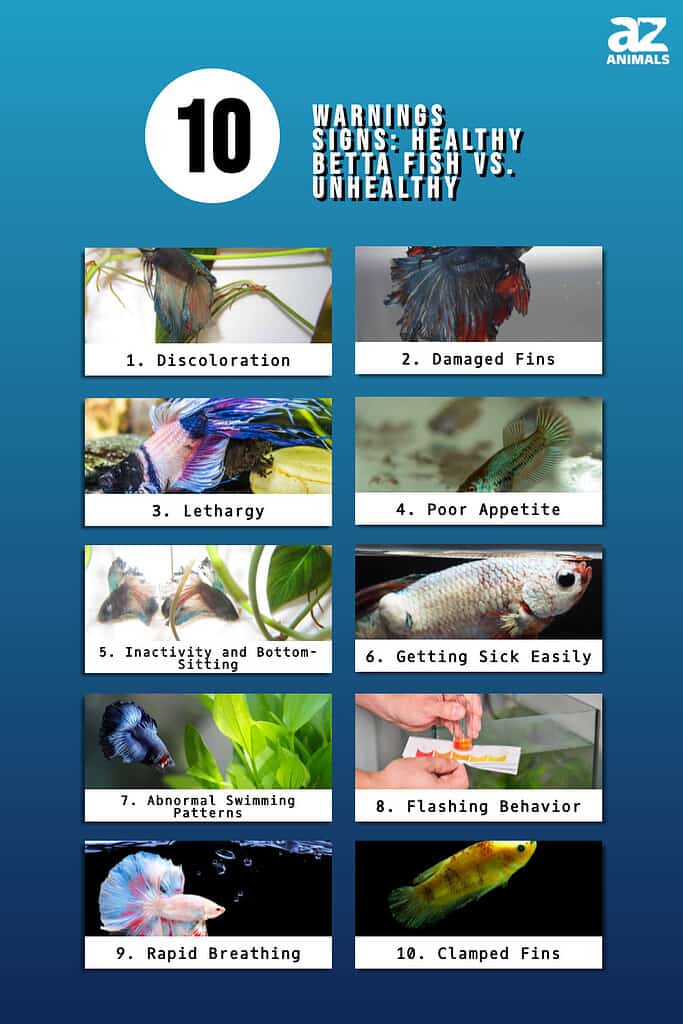
Color Fading and Loss of Iridescence: A Subtle SOS
A betta’s color is a fantastic indicator of its health and well-being. Bright, deep colors mean a relaxed and comfortable fish. When a betta is feeling good, its iridescence – that shimmering, metallic sheen – is usually quite noticeable. But when things aren’t right, the color is often the first thing to go.
Color fading or a loss of iridescence is a subtle, but significant, sign of stress. It’s different from the temporary color changes you see during flaring displays or when a male is displaying for a female. Those are natural, hormonally driven shifts. We’re talking about a gradual dulling of the overall coloration.
Water quality is a huge factor here. According to research on Betta splendens care from the NCBI, consistent exposure to poor water conditions will absolutely impact their coloration (PMC, NCBI, 2023). Ammonia and nitrite buildup are particularly harmful, but even slightly off pH levels can contribute to stress and fading colors. Regular water changes are non-negotiable.
Clamped Fins and Erratic Swimming: When Something Feels ‘Off’
"Clamped fins’ is a term you’ll hear a lot when discussing stressed bettas. It’s pretty straightforward: instead of being flared or flowing naturally, the fins are held close to the body. Think of it as the fish trying to make itself smaller, less noticeable. This is a defensive posture – a clear sign that the fish doesn"t feel safe or is unwell.
Erratic swimming patterns often accompany clamped fins. This could manifest as darting quickly around the tank, constantly hiding, or spending a lot of time at the bottom. They might seem restless and unable to settle.
It’s important to distinguish this from normal betta behavior. Bettas do explore their tanks and enjoy resting amongst plants or decorations. But erratic swimming is different. It's a frantic, almost panicked movement, indicating something is actively bothering them. It isn’t just shyness; it’s a clear indication of distress.
Betta Fish Stress Signs: Clamped Fins & Erratic Swimming (Healthy vs. Stressed)
Betta Care Basics
Watch on YouTube →Lethargy and Lack of Appetite: A Worrying Combination
If your normally active betta suddenly becomes lethargic – sluggish, spending most of its time resting, and showing little interest in its surroundings – that’s a major red flag. It's a significant departure from their usual inquisitive nature.
A loss of appetite often accompanies lethargy, and this is particularly concerning. Bettas need regular nutrition to maintain their immune system and overall health. When they stop eating, they quickly become weakened and more vulnerable to disease.
There’s a difference between a temporary lack of interest in food – maybe they’re just full – and a consistent refusal to eat. If your betta ignores its usual food for more than 24 hours, it’s worth investigating. This could be a symptom of internal parasites or other underlying illnesses, as noted in resources on betta happiness from Washington State University (Ask Dr. Universe, WSU).
Changes in Bubble Nest Building (or Lack Thereof): Beyond Reproduction
Bubble nests aren’t just about reproduction. While males build them to attract females and incubate eggs, they also build bubble nests as a sign of feeling secure and comfortable in their environment. It’s a way of claiming territory and demonstrating well-being.
A sudden stop in bubble nest building – in a male who previously built them regularly – or an inability to build one at all (in a young male who’s reaching breeding age) can indicate stress. It suggests the fish doesn’t feel safe or is otherwise preoccupied with something negative.
Water parameters, the presence of tank mates, and the overall environment all play a role. Poor water quality, aggressive tank mates, or a lack of hiding places can all disrupt a male’s sense of security and impact bubble nest building. This is a subtle sign, though, and shouldn’t be the only indicator you consider.
Rapid Gill Movement and Gasping at the Surface: A Sign of Oxygen Deprivation
Normally, a betta’s gill movements are slow and rhythmic. You shouldn’t have to actively notice them. However, rapid gill movement – or gasping at the surface of the water – usually indicates low oxygen levels.
Common causes include overheating (bettas need water between 78-82°F), poor water circulation, and a buildup of waste products. A filter is essential for maintaining oxygen levels and removing harmful toxins.
Rapid gill movement can also indicate a bacterial infection affecting the gills. If you’ve ruled out water quality and temperature issues, and the gasping persists, a vet visit is warranted.
Quick Fixes for a Stressed Betta: What to Do Now
If your betta is stressed, start with these steps. First, perform a 25-50% water change, being sure to use a water conditioner to remove chlorine and chloramine.
Next, test your water parameters. You need to know the levels of ammonia, nitrite, nitrate, and pH. A liquid test kit is more accurate than test strips. Aim for 0 ppm ammonia, 0 ppm nitrite, and below 20 ppm nitrate. The pH should be between 6.5 and 7.5.
Ensure the water temperature is within the ideal range of 78-82°F. Use a reliable heater and thermometer. Reducing light exposure can also help calm a stressed fish. Add more hiding places, like plants or caves, to provide a sense of security.
Make changes gradually. Drastic shifts in water parameters or environment can cause even more stress. If your betta’s condition doesn’t improve within a few days, or if it worsens, seek veterinary care from a fish specialist.
- Perform a 25-50% water change.
- Test water parameters (ammonia, nitrite, nitrate, pH).
- Ensure proper temperature (78-82°F).
- Reduce light exposure.
- Add more hiding places.
Stressors & Solutions
| Stress Factor | Symptoms | Quick Fix | Long-Term Solution |
|---|---|---|---|
| Poor Water Quality | Lethargy, clamped fins, loss of color | 25% water change | Regular water changes and proper filtration |
| Overheating | Rapid gill movement, increased breathing rate, lethargy | Cool tank with a fan or by temporarily removing from heat source | Reliable heater and thermometer to maintain stable temperature |
| Aggressive Tank Mates | Torn fins, hiding, erratic swimming | Separate the betta from aggressive tank mates immediately | Dedicated betta tank – bettas generally thrive alone |
| Lack of Hiding Places | Constantly visible, stressed appearance, fin nipping (self-inflicted) | Add plants or decorations to provide cover | Well-decorated tank with multiple hiding spots |
| Sudden Changes in Environment | Disorientation, darting, loss of appetite | Minimize disturbances, maintain consistent lighting | Stable tank location and routine maintenance schedule |
| Overcrowding | Increased stress, suppressed immune system | Move to a larger tank or rehome excess fish | Appropriately sized tank for the betta's needs |
Illustrative comparison based on the article research brief. Verify current pricing, limits, and product details in the official docs before relying on it.
Preventing Stress: Setting Up Your Betta for Success
Prevention is always better than cure. Setting up your betta’s tank correctly from the start is the best way to minimize stress. A 5-gallon tank is the absolute minimum, and larger is always better. Bettas are active fish and need space to explore.
A filter is essential for maintaining water quality, and a heater is necessary for keeping the temperature stable. Live plants not only look beautiful but also help oxygenate the water and provide hiding places. Decorations should be smooth and free of sharp edges.
While some bettas can be kept with peaceful tank mates, it’s often best to keep them alone. This eliminates the risk of aggression and ensures they have all the resources to themselves. A 10-gallon tank with weekly 25% water changes provides the stability a betta needs to reach its full five-year lifespan.
5 Signs of Betta Stress
- Loss of Color/Faded Appearance - A healthy betta displays vibrant, rich colors. If your betta's colors appear significantly dull or faded, it's often an early indicator of stress. This can be caused by poor water quality, illness, or an unsuitable environment.
- Lethargy & Lack of Activity - Bettas are naturally curious and active fish. A stressed betta may spend most of its time hiding, lying at the bottom of the tank, or clamped fins (fins held close to the body). This differs from normal resting behavior.
- Erratic Swimming Patterns - Watch for unusual swimming. Stress can manifest as darting around the tank seemingly aimlessly, rubbing against objects (potentially indicating parasites, but stress can exacerbate this), or struggling to maintain buoyancy.
- Refusal to Eat - A loss of appetite is a common sign of stress in bettas. If your betta consistently ignores food, even its favorites, investigate potential stressors. Ensure water parameters are optimal and rule out any visible signs of illness.
- Bubble Nest Destruction - Male bettas build bubble nests as a breeding behavior, but also as a sign of feeling secure. If a male betta is actively building a nest, then suddenly destroys it, it can indicate stress or a perceived threat in the environment.
- Changes in Gill Movement - Rapid or labored breathing can be a sign of stress, or a developing respiratory issue. Observe your betta's gills; they should be moving at a steady, normal rate. Increased effort to breathe can indicate poor water quality or illness.



No comments yet. Be the first to share your thoughts!