

Choose the right tank size
The biggest mistake new betta owners make is buying a bowl. It’s a persistent myth that bettas thrive in tiny vases or cramped glass spheres. In reality, these small containers offer no stable environment for proper Betta Fish Care. Without adequate space, water quality deteriorates rapidly, and the fish becomes stressed, leading to illness and a shortened lifespan.
A betta needs a heated and filtered tank of at least 3 gallons, though 5 gallons is the ideal minimum. This volume provides enough room for the fish to swim freely and for beneficial bacteria to establish a stable biological filter. Cold, stagnant water in a small bowl can kill a betta, whereas a properly sized tank maintains the 75-80°F temperature they require.
Think of the tank size as the foundation of the entire setup. A larger water volume dilutes waste more effectively, giving you more time to maintain water parameters and reducing the frequency of drastic water changes. Investing in a 5-gallon tank from the start saves time and stress later, ensuring your betta has the space to display its natural, vibrant behaviors.
Set up heating and filtration
Betta Fish Care works best as a sequence, not a scramble through settings. Do the minimum first: confirm compatibility, connect the core hardware, update only when needed, and test the result before adding optional features. That order keeps the task understandable and makes failures easier to isolate. After each step, pause long enough for the interface to finish syncing. Many setup problems are timing problems disguised as configuration problems. If the same step fails twice, record the exact error, restart the smallest affected piece, and retry before moving deeper.
Cycle the tank before adding fish
Skipping the nitrogen cycle is the most common reason bettas die in new tanks. Even if you change the water daily, invisible toxins build up in the first few weeks. The cycle creates beneficial bacteria that turn harmful ammonia into safer nitrites, and then into nitrates. Without this process, your betta faces a toxic environment from day one.
1. Set up the tank with heater and filter
Install your heater, filter, and substrate. Fill the tank with dechlorinated water using a conditioner like Seachem Prime. Turn on the heater and set it to 78–80°F (25–27°C). The bacteria need warmth and oxygen to grow, so keep the filter running continuously.
Add a commercial bacterial starter to the tank. These products contain live nitrifying bacteria that jump-start the cycle. You can also add a small amount of fish food or a pinch of pure ammonia to feed the bacteria. This provides the "food" they need to multiply and colonize your filter media and substrate.
Use a liquid test kit to check ammonia, nitrite, and nitrate levels every day or two. Liquid tests are more accurate than strips. Record your numbers in a notebook. You are looking for ammonia to rise, then drop, followed by a rise and drop in nitrites, and finally a rise in nitrates.
The cycle takes 2–6 weeks. It is complete when ammonia and nitrite read 0 ppm, and nitrates are present. Do not rush this. Adding a betta too early exposes it to ammonia spikes that can burn its gills and cause death. Patience now saves your fish later.
2. Perform partial water changes
Once nitrates start rising, do 25–50% water changes. This dilutes the nitrate buildup. Continue testing after each change. The goal is to maintain 0 ppm ammonia and nitrite while keeping nitrates below 20 ppm. This steady state means your tank is biologically stable and ready for your betta.
3. Add your betta gradually
Introduce your betta after the cycle is complete. Keep the heater at 78–80°F. Monitor the water closely for the first week. If ammonia or nitrite spikes, do a 50% water change immediately. A properly cycled tank makes long-term Betta Fish Care much simpler and safer.
Add plants and hiding spots
Live or silk plants provide essential cover for your Betta Fish Care routine. In the wild, these fish rest in dense vegetation to escape currents and predators. A bare tank leaves them exposed and stressed. Choose smooth decorations and secure plants to prevent injury to their delicate fins.
Compare plant types
Live plants offer natural filtration and oxygen but require maintenance. Silk plants are durable and safe for nipping Bettas. Use the table below to decide which fits your setup.
| Plant Type | Maintenance | Safety | Benefits |
|---|---|---|---|
| Live Plants | High | Check for sharp edges | Natural filtration, oxygen |
| Silk Plants | Low | High (soft fabric) | Durable, no algae growth |
| Plastic Plants | Low | Medium (check seams) | Cheap, easy to clean |
Arrange the layout
Create a layered look by placing taller plants in the back and shorter ones in the front. Leave open swimming space in the center. Add driftwood or ceramic caves for additional hiding spots. This mimics their natural habitat and reduces stress.
Feed your betta correctly
Feeding is the single most important part of Betta Fish Care. Bettas are carnivores with tiny stomachs, roughly the size of their eye. Overfeeding is the leading cause of bloat, constipation, and poor water quality. Stick to a strict schedule to keep your fish healthy and active.
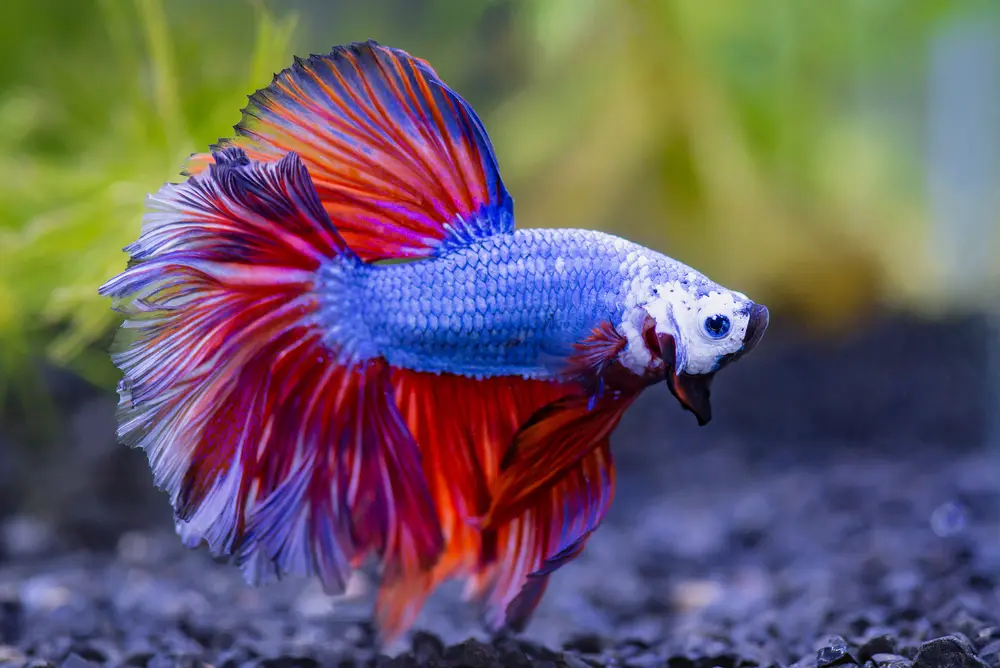
Start with high-quality betta pellets as the staple. These provide balanced nutrition. Supplement with frozen or live foods like bloodworms, brine shrimp, or daphnia two to three times a week. Avoid cheap flake foods, which often contain fillers and lack proper protein levels.
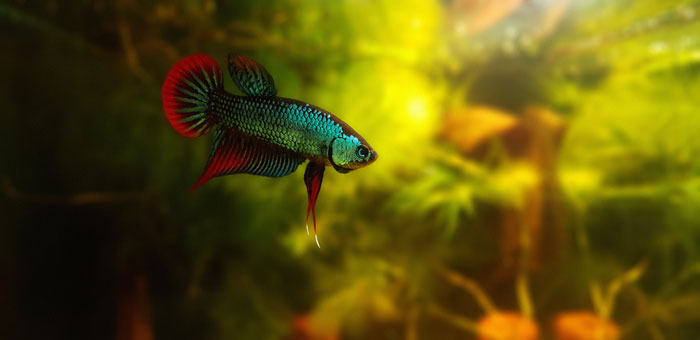
Offer only as much food as your betta can eat in two minutes. For adult bettas, this is typically four to six pellets per day. If you are feeding live food, a small pinch is sufficient. Remove any uneaten food after five minutes to prevent it from rotting in the tank.
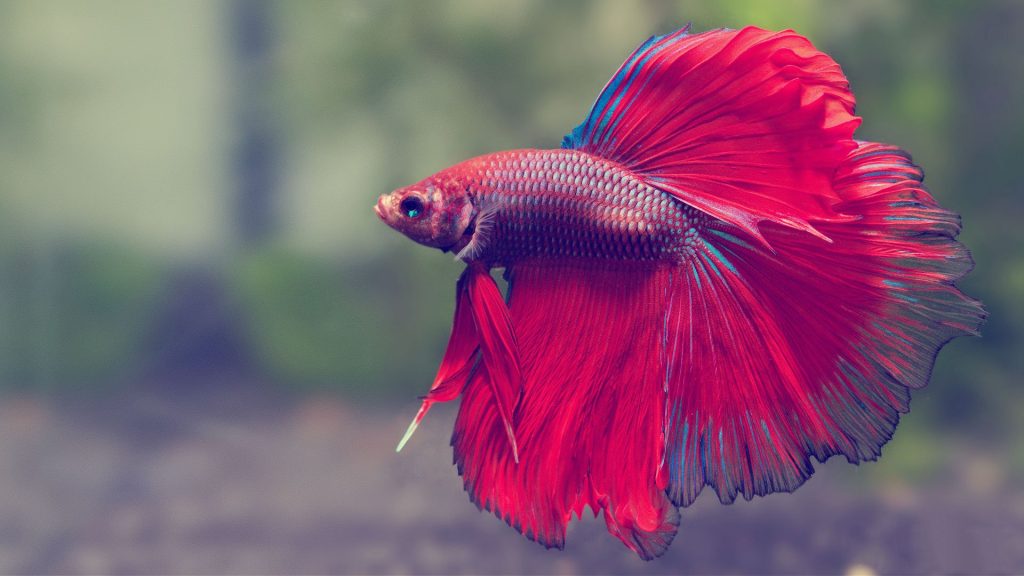
Fast your betta one day a week. Skipping a meal helps clear their digestive tract and prevents constipation. On fasting days, simply do not offer any food at all. This routine mimics their natural feeding patterns in the wild.
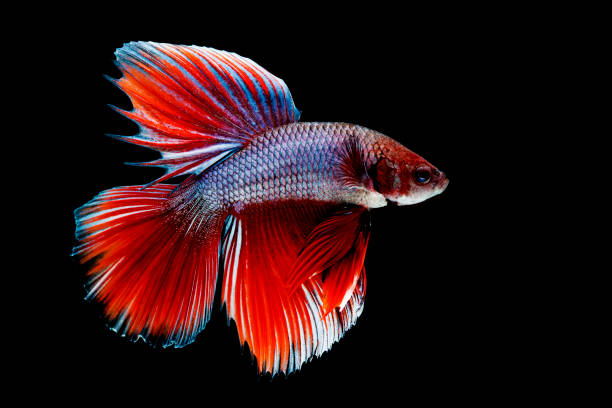
Daily Feeding Checklist
Use this checklist to ensure you are maintaining a proper routine:
-
Morning Feed: Offer 4-6 pellets or equivalent live food.
-
Evening Feed: Optional; only if the fish is very active or growing.
-
Clean Up: Remove any uneaten food after 5 minutes.
-
Weekly Fast: Skip feeding one day each week (e.g., Sunday).
-
Variety: Include frozen bloodworms or brine shrimp 2-3 times per week.
Perform weekly water changes
Betta Fish Care relies on a strict weekly maintenance routine to keep ammonia and nitrite levels at zero. Even in a well-cycled tank, waste accumulates daily. Changing 25–30% of the water each week removes dissolved toxins before they stress your fish. This simple task is the most effective way to ensure long-term health and vibrant color.
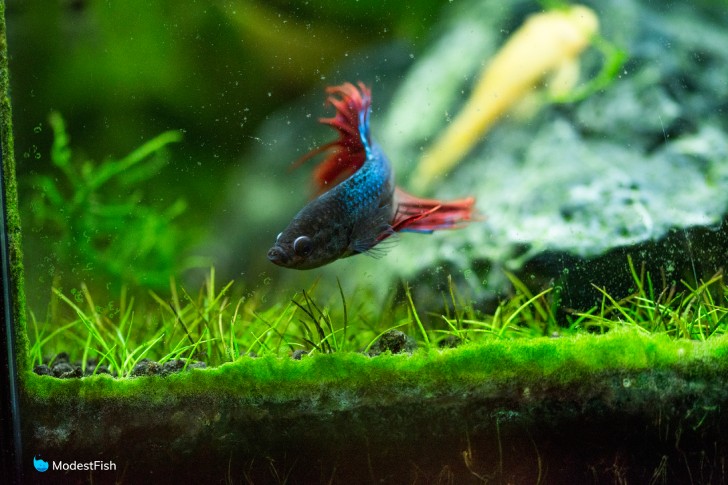
Fill a clean bucket with fresh tap water. Add a water conditioner like Seachem Prime or AquaSafe to neutralize chlorine and chloramines. Match the temperature to your tank using an aquarium heater or by letting it sit; bettas are sensitive to sudden temperature shifts, so aim for 78–80°F (25–27°C).
Insert a gravel siphon into the tank. Gently vacuum the substrate to remove uneaten food, feces, and detritus. Be careful around plants and decorations. Focus on areas where waste tends to accumulate, such as corners and behind filters.
Siphon out exactly 25–30% of the total tank volume. Avoid removing more than this amount during a single change, as drastic fluctuations can shock your betta. The remaining water retains beneficial bacteria that help maintain biological balance.
:strip_icc()/siamese-fighting-fish-bettas-1378308-03-e669e081dc9f4c80bec3e382c43a8b0d.jpg)
Slowly pour the prepared, conditioned water back into the tank. Use a small plate or bowl to diffuse the flow and prevent disturbing the substrate. Monitor the temperature closely to ensure it remains stable within the 75–80°F range.
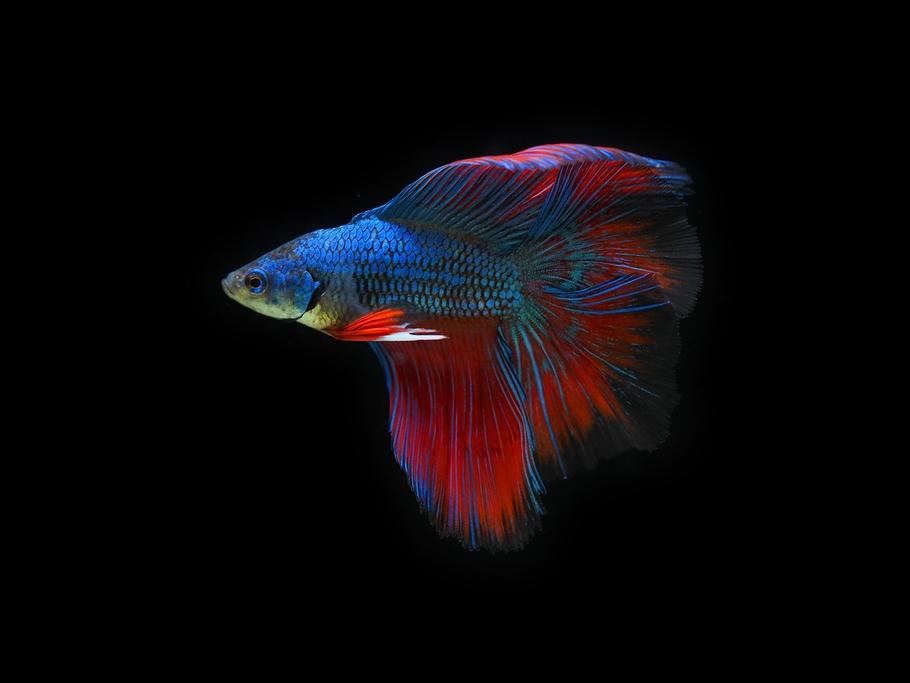
Perform a quick water test using a liquid test kit. Check for ammonia, nitrite, and nitrate levels. Ammonia and nitrite should always read zero. If nitrates are high, consider performing another partial change sooner than usual.
Watch for signs of stress or illness
Your betta’s behavior and body language are the first indicators that something is wrong. In Betta Fish Care, catching these early signs prevents minor issues from becoming fatal. Look for physical changes like clamped fins, which appear when the fish is holding its fins tight against its body due to cold water or bacterial infection.
Pay attention to appetite and activity levels. A healthy betta is curious and eager to eat. If your betta stops eating or hides constantly, it may be struggling with internal parasites or poor water quality. White spots on the fins or body, known as ich, are another common red flag that requires immediate treatment.
Regular observation is your best defense. Spend a few minutes each day watching your betta swim. If you notice lethargy, gasping at the surface, or unusual swimming patterns, check your water parameters immediately. Consistent monitoring allows you to adjust the environment before the situation escalates.
Common betta tank mistakes
Betta Fish Care troubleshooting should start with a clear boundary: what is actually broken, and what still works normally. Check the display, network connection, paired devices, app access, and recent updates before assuming the whole system needs a reset. A small connection failure can make the main screen feel unreliable even when the core system is fine. Work from low-risk checks to deeper resets. Confirm power state, safe parking, account access, and signal first. Then restart the interface, wait for it to reload completely, and test the original symptom. Avoid changing multiple settings at once because that makes it harder to know which step actually fixed the problem. If the issue affects safety information, repeats after every restart, or appears with warning messages, treat the reset as a temporary diagnostic step rather than the final fix. Document the symptom and move to official support instead of stacking more DIY attempts.
The simplest way to use this section is to keep the setup small, verify each change, and record the stable configuration before adding optional accessories.
No comments yet. Be the first to share your thoughts!