

Start with the right tank size
The most persistent myth in the hobby is that betta fish thrive in small bowls or vases. This misconception stems from their ability to breathe atmospheric air, but it ignores the reality that bettas are active swimmers that produce a significant amount of waste. Housing a betta in a container smaller than five gallons is cruel and leads to rapid water quality degradation, stunted growth, and chronic stress.
A five-gallon tank is the absolute minimum standard for proper betta care. This volume provides enough water mass to dilute toxins like ammonia and nitrite, allowing the biological filter to function effectively. While larger tanks (10 gallons or more) offer even greater stability, five gallons is the baseline required to maintain the stable parameters a betta needs to live a long, healthy life.
<Image src="/cdn/articles/b2d91e6b-e9f2-46fc-bcb6-3d588f9ce2cb-063f2bb3.jpg" alt="Betta Fish Care" />
Beyond volume, the tank must be equipped with a heater and a gentle filter. Bettas are tropical fish that require water temperatures between 75°F and 80°F. Without a heater, their metabolism slows, and their immune system weakens. A filter is equally critical to remove particulate waste and circulate water, but the flow should be mild, as bettas are not strong swimmers and prefer calm currents.
Choosing the right tank size is the first and most important step in betta fish care. It sets the foundation for all subsequent maintenance tasks, from water changes to feeding. By starting with a proper five-gallon setup, you ensure your betta has the space and stability it needs to thrive, rather than just survive.
Set up heating and filtration
Betta fish are tropical species native to the shallow, warm waters of Southeast Asia. They cannot regulate their body temperature like mammals, meaning they rely entirely on their environment to stay healthy. Without proper heating, a betta’s metabolism slows down, leading to lethargy, weakened immunity, and increased susceptibility to disease.
You need a reliable aquarium heater to maintain a stable water temperature between 75°F and 80°F (24°C–27°C). Fluctuations in temperature are just as harmful as cold water, so choose a submersible heater with an adjustable thermostat. This allows you to set a precise temperature and monitor it easily.
Filtration is equally critical for maintaining water quality. Bettas produce waste that quickly clouds the water and raises ammonia levels, which are toxic to fish. However, bettas are weak swimmers and dislike strong currents. Choose a gentle filter, such as a sponge filter or a hang-on-back filter with a flow adjuster, to keep the water clean without stressing your fish.
Installing these components correctly sets the foundation for your betta’s health. Ensure the heater is fully submerged and the filter is cycled before introducing your fish. This setup ensures a stable, clean environment where your betta can thrive.
Cycle the tank before adding fish
Skipping the nitrogen cycle is the most common mistake new betta owners make. This invisible process converts toxic waste into harmless compounds, but it takes time—usually two to six weeks. If you add your betta too soon, ammonia levels spike, burning their gills and often killing them within days.
Think of the cycle as building a foundation. You are cultivating beneficial bacteria that will live in your filter and substrate. Without these bacteria, the tank is essentially a sterile bowl that becomes toxic the moment you feed the fish.
To start, set up the tank with a heater, filter, and a small amount of hardscape. Add an ammonia source, such as a pinch of fish food or pure ammonia, to feed the bacteria. Test the water daily using a liquid test kit, as strips are often inaccurate. When ammonia drops to zero, nitrites will rise. Wait for the nitrites to drop to zero as well. Only then is the tank truly cycled and safe for your betta.
Feed your betta correctly
Feeding your betta correctly is the single most impactful way to prevent common health issues like constipation and obesity. Bettas are voracious eaters that will continue to eat until their stomachs burst, so portion control is non-negotiable. Aim to feed your betta once or twice daily, offering only what they can consume in one to two minutes. Any uneaten food must be removed immediately to keep the water clean and prevent bacterial blooms.
The Feeding Routine
Follow this simple sequence to ensure your betta gets the right amount of nutrition without fouling the tank.
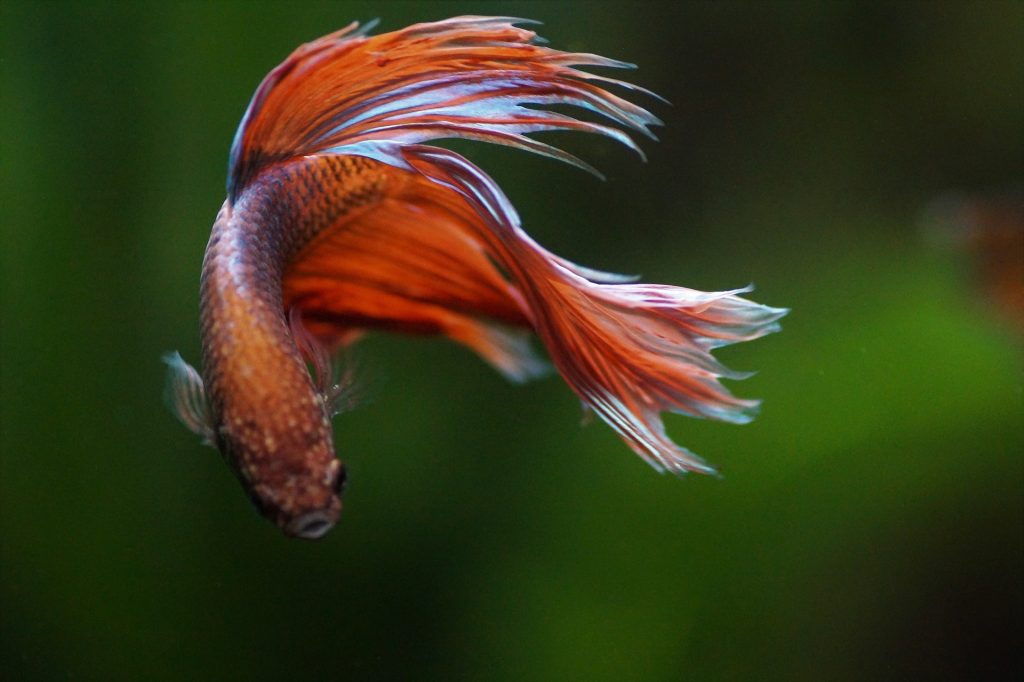
Briefly turn off your filter or adjust the flow. Bettas are weak swimmers, and strong currents make it difficult for them to reach the food. Pausing the filter ensures they can eat calmly without fighting the water movement.
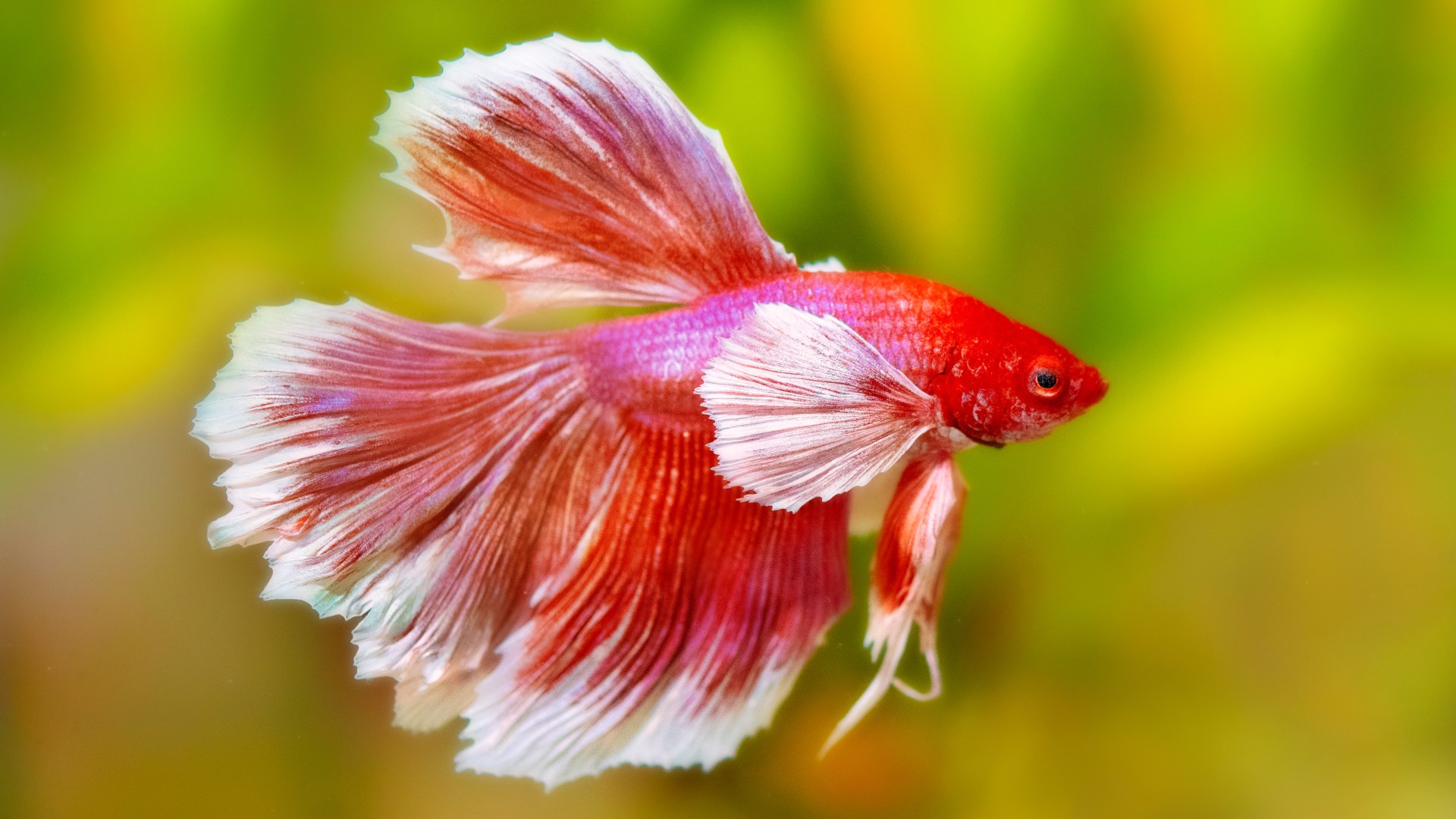
Drop a tiny pinch of high-quality betta pellets or frozen food into the tank. Start with just three to five pellets. It is easier to add more later than to clean up a mess of rotting food. Observe how quickly your betta eats to gauge their appetite.
After two minutes, check for uneaten food. Use a siphon or net to remove any pellets or debris that have sunk to the bottom. Uneaten food decomposes rapidly, releasing ammonia and nitrites that can harm your betta’s health.
Variety and Diet
While pellets should make up the bulk of your betta’s diet, variety helps prevent boredom and nutritional deficiencies. Supplement their meals with frozen or live foods like bloodworms, brine shrimp, or daphnia once or twice a week. This variety mimics their natural diet and provides essential nutrients that dry pellets may lack.
Avoid overfeeding frozen foods, as they can be messier than pellets. If you notice your betta becoming lethargic or developing swim bladder issues, consider implementing a "fasting day" once a week where you skip feeding entirely. This gives their digestive system a break and helps prevent constipation, a common issue in captive bettas.
Maintain water quality weekly
Weekly water changes are the most effective way to keep your betta fish healthy. Over time, waste products like ammonia and nitrites build up in the tank, even with a filter. Replacing a portion of the water removes these toxins and replenishes essential minerals. Think of the water change as a reset button for your aquarium’s ecosystem.
Step 1: Prepare the new water
Before you touch the tank, prepare the replacement water. Fill a clean bucket with fresh tap water and treat it with a water conditioner like Seachem Prime or API AquaSafe. These products neutralize chlorine and chloramines, which are harmful to bettas. Heat the new water to match the tank temperature, ideally between 78°F and 80°F (25°C–27°C). Using water that is too cold or too hot can shock your fish.
Step 2: Vacuum the substrate
Use a gravel vacuum to remove debris from the tank bottom. This is where fish waste and leftover food accumulate. Gently insert the vacuum into the substrate and squeeze the bulb to start the siphon. Move the vacuum slowly across the gravel, lifting out the dirty water and debris. Be careful not to disturb the betta or uproot any live plants. Aim to clean about half of the substrate area each week.
Step 3: Remove 25% of the water
Once the substrate is vacuumed, remove approximately 25% of the tank water. Do not change more than 50% of the water at once, as this can disrupt the beneficial bacteria colony that processes waste. This partial change is sufficient to keep toxin levels low without stressing the fish. Save the removed water for later use if you need to top off evaporation.
Step 4: Add conditioned water and clean glass
Slowly add the prepared, conditioned water back into the tank. Pour it gently onto a plate or into the substrate to avoid disturbing the gravel bed. While the water level is lower, use an algae scraper or sponge to wipe the inside of the glass. This improves visibility and removes unsightly algae films. Rinse the sponge in the old tank water you removed, not in tap water, to preserve beneficial bacteria.
Step 5: Test and top off
After the water change, test the water parameters to ensure stability. Check for ammonia, nitrite, and nitrate levels. If everything looks good, top off the tank with a small amount of conditioned water to replace any evaporation that occurred since the last change. This keeps the water level consistent and prevents salt or mineral imbalances.
Fill a clean bucket with fresh tap water and add a water conditioner to remove chlorine and chloramines. Heat the water to match the tank temperature (78–80°F).
Use a gravel vacuum to remove debris and waste from the tank bottom. Move slowly to avoid stressing the betta or uprooting plants.
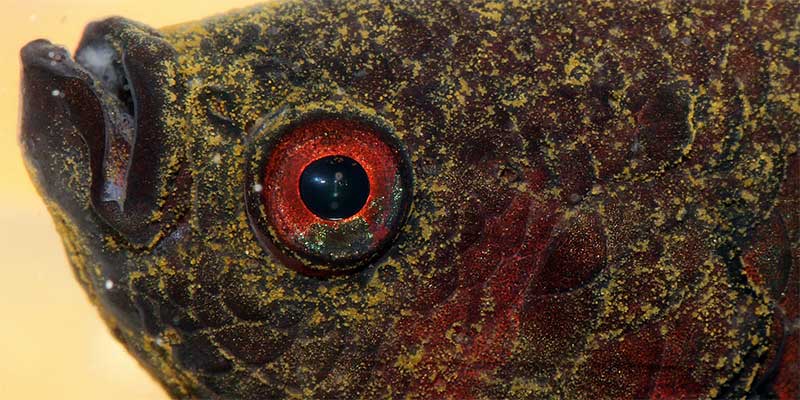
Siphon out approximately 25% of the tank water. Avoid changing more than 50% to maintain beneficial bacteria balance.
Slowly add the conditioned water back into the tank. Wipe the inside glass with an algae sponge to improve visibility.
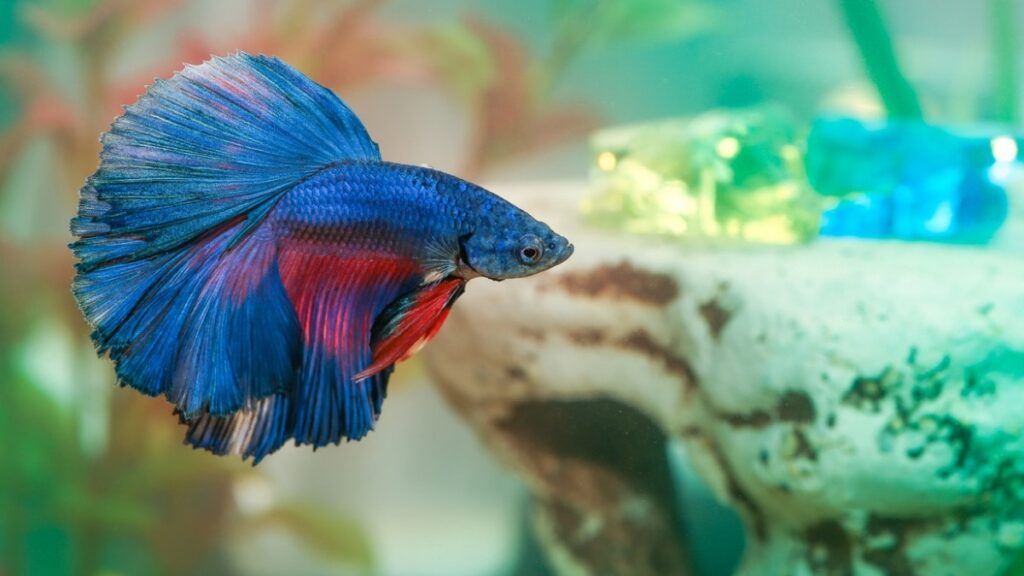
Test water parameters for stability. Top off with a small amount of conditioned water to replace evaporation.
Understand betta behavior and signs
Betta fish are expressive, but their body language can be confusing if you don't know what to look for. Distinguishing between natural curiosity, playful display, and genuine stress is the difference between a thriving pet and a sick one. Most behavioral issues stem from environmental stressors rather than personality quirks, so reading these signs helps you adjust their habitat before health problems arise.
Flaring is the most common behavior new owners misinterpret. When a betta expands its gills and spreads its fins, it is displaying dominance. This is normal when they see their reflection in the glass or encounter other fish. However, if flaring is accompanied by rapid breathing, loss of appetite, or exhaustion, it indicates severe stress from overcrowding or poor water quality. In these cases, the fish needs immediate environmental correction, not just observation.
Fin nipping and hiding are red flags. While bettas are solitary, some individuals may nip at fins if the tank is too small or if there are incompatible tank mates. Hiding is natural for shy fish, but constant hiding with no interest in food or exploration suggests illness or terrifying conditions. Check your water parameters immediately if a normally active betta retreats to the bottom or corners of the tank for more than a few hours.
Pay attention to swimming patterns. Healthy bettas glide smoothly with full, open fins. Erratic swimming, clamped fins (where fins are held tight against the body), or gasping at the surface are signs of oxygen deprivation or ammonia poisoning. These are not behavioral traits but urgent medical alerts requiring immediate water changes and temperature checks.
Common Betta Care Mistakes
Even experienced keepers slip up on routine details. These three errors cause the most stress for your betta and are the easiest to fix.
Housing in Bowls
Bettas need space to swim and stable water chemistry. Bowls lack filtration and heating, leading to rapid toxin buildup. Upgrade to a minimum 5-gallon tank with a gentle filter and a heater set to 75–80°F. This setup mimics their natural environment and prevents temperature shock.
Overfeeding
Bettas have small stomachs and will beg for more food even when full. Feed only what they can consume in 1–2 minutes, once a day. Remove any uneaten food after feeding to prevent water fouling. A varied diet of pellets, frozen bloodworms, and brine shrimp supports better color and longevity.
Skipping Water Changes
Ammonia spikes kill slowly but surely. Perform 25–50% water changes weekly using a gravel vacuum to remove waste from the substrate. Treat tap water with a conditioner to neutralize chlorine and chloramines before adding it to the tank. Consistent maintenance keeps nitrate levels low and your fish healthy.
Frequently asked: what to check next
How long do betta fish live?
With proper care, betta fish typically live between two to four years. While many believe they only survive a few months, this is usually due to poor water quality in small bowls. Providing a heated, filtered tank of at least three gallons and a varied diet can significantly extend their lifespan.
Can I keep betta fish with other tank mates?
Bettas can be community fish, but they are naturally territorial and may attack fin-nippers or bright-colored fish. Safe tank mates include small, peaceful species like corydoras catfish, neon tetras, or snails. Avoid keeping two male bettas together or housing them with slow-moving fish with long fins, as these are common triggers for aggression.
What are the most common betta diseases?
The most prevalent issues are fin rot and ich (white spot disease). Fin rot often results from poor water quality, while ich is a parasitic infection triggered by temperature fluctuations. Maintaining a stable water temperature between 75°F and 80°F (24°C–27°C) and performing regular 25% water changes are the best preventive measures.
No comments yet. Be the first to share your thoughts!