

Choose the right wild betta species
Wild bettas are not a single type of fish. The term covers many distinct species found across Southeast Asia, each with unique behaviors, sizes, and tank requirements. Before buying, you need to identify which specific species matches your experience level and tank setup.
Wild bettas generally fall into two categories: the hardy, peaceful "fighter" types and the more delicate, shy varieties. Choosing the wrong species for your first tank can lead to stress for both you and the fish.
<Image src="/cdn/articles/bdcb0c83-d405-437d-a4ef-c7d196ee9bcb-e058845b.jpg" alt="Wild Betta Fish" />
Betta imbellis (Peaceful Betta)
Betta imbellis is often called the "peaceful betta." It is smaller and less aggressive than the common Betta splendens. This species is an excellent choice for beginners because it tolerates a wider range of water conditions. They are also slightly more active swimmers, making them visually interesting in planted tanks.
Betta smaragdina (Emerald Betta)
Betta smaragdina is a dwarf betta that requires specific water parameters, particularly soft, acidic water. They are shy and prefer heavily planted tanks with dim lighting. While beautiful, they are more sensitive to water changes than imbellis or splendens, so they are better suited for intermediate keepers.
Betta splendens (Wild Type)
Wild-type Betta splendens are the ancestors of the fancy bettas sold in pet stores. They retain a metallic shine and more natural coloration. Unlike their domesticated cousins, wild splendens are often less aggressive and can sometimes be kept in pairs under the right conditions. They require a minimum of 5 gallons of water to thrive.
Betta mahachaiensis
Betta mahachaiensis is a rare species known for its metallic green and blue hues. They are slightly more aggressive than imbellis but less so than typical splendens. This species requires a well-planted tank with plenty of hiding spots. They are best kept as a single male or in a species-only tank due to their territorial nature.
Prepare blackwater conditions
Wild bettas originate from acidic, tannin-rich blackwater environments. Replicating these conditions is critical for their health and coloration. The tannins lower pH and soften water, mimicking their natural habitat. This setup also enhances their vibrant colors, making the fish appear more vivid against the dark backdrop.
To achieve this, use almond leaves and peat moss. These materials release natural tannins that tint the water a tea-like brown. This process takes time, so plan accordingly.
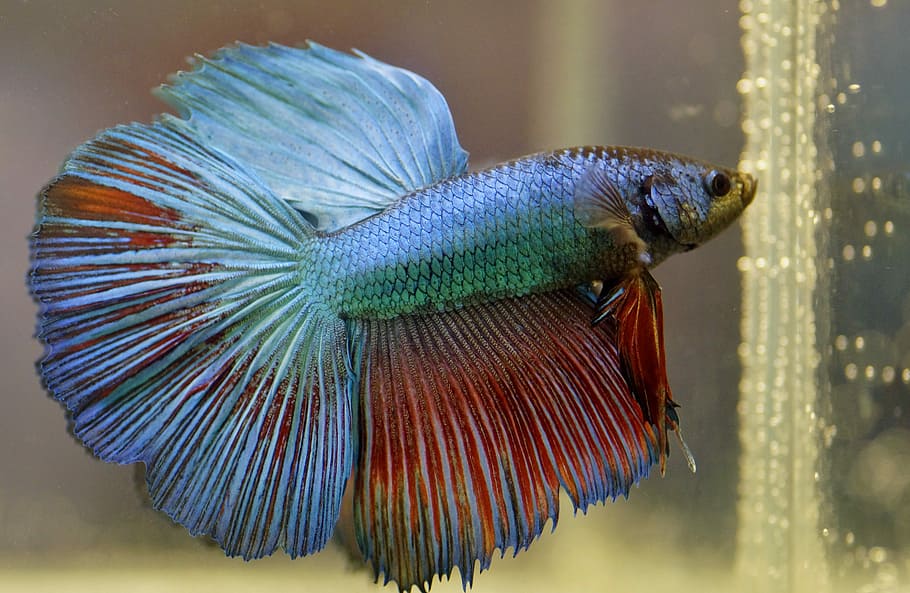
Start by adding Indian almond leaves to your tank. These leaves are rich in tannins and have antibacterial properties. Use one leaf per 5 gallons of water. Crush them slightly to speed up the release of tannins. The water will gradually turn a light amber color.
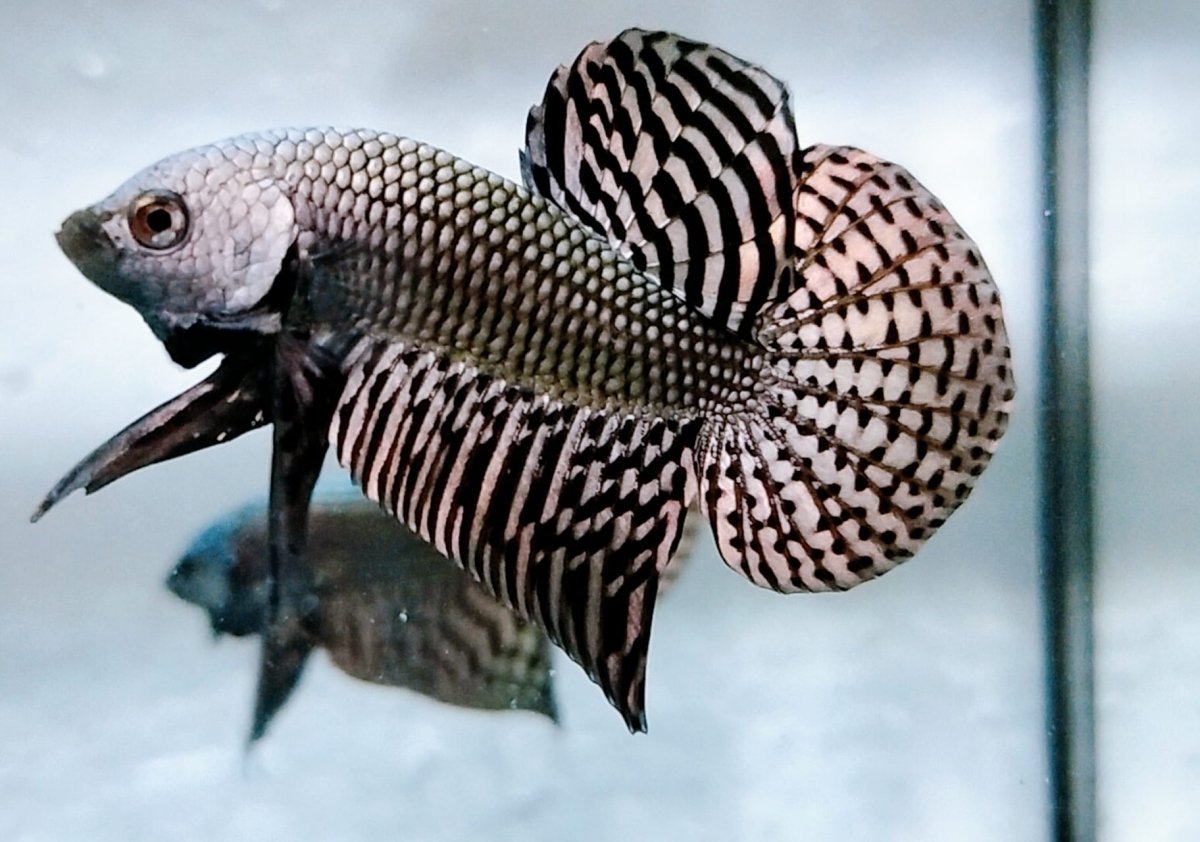
For a deeper blackwater effect, add a small amount of sphagnum peat moss. Place it in a mesh bag and submerge it in the filter or tank. Peat moss lowers pH more aggressively than leaves. Monitor your water parameters closely to avoid dropping the pH too low.
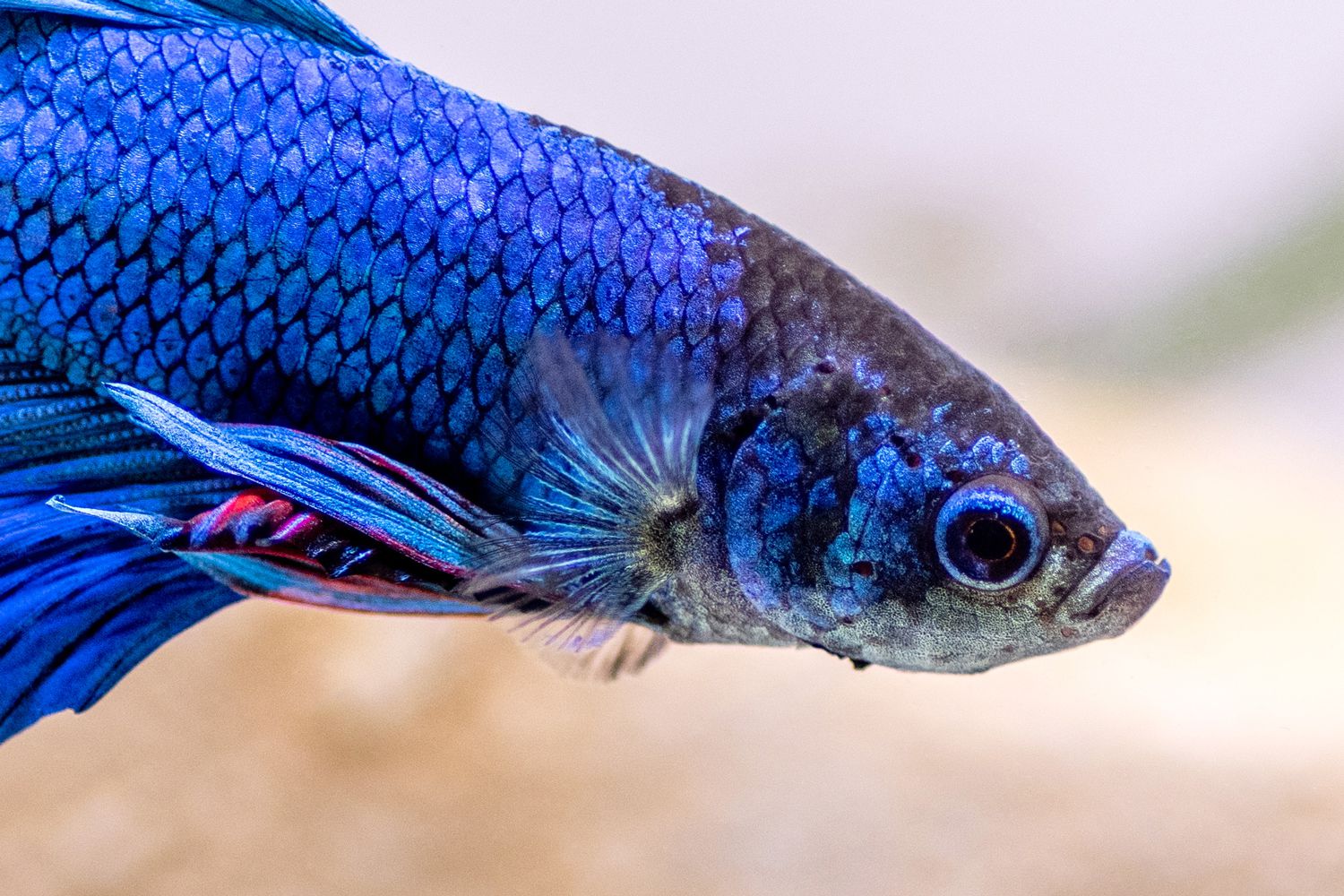
Condition the water to remove chlorine and chloramines. Use a water conditioner that also neutralizes heavy metals. This ensures the environment is safe for your betta. The tannins will not harm the fish, but chlorine will.
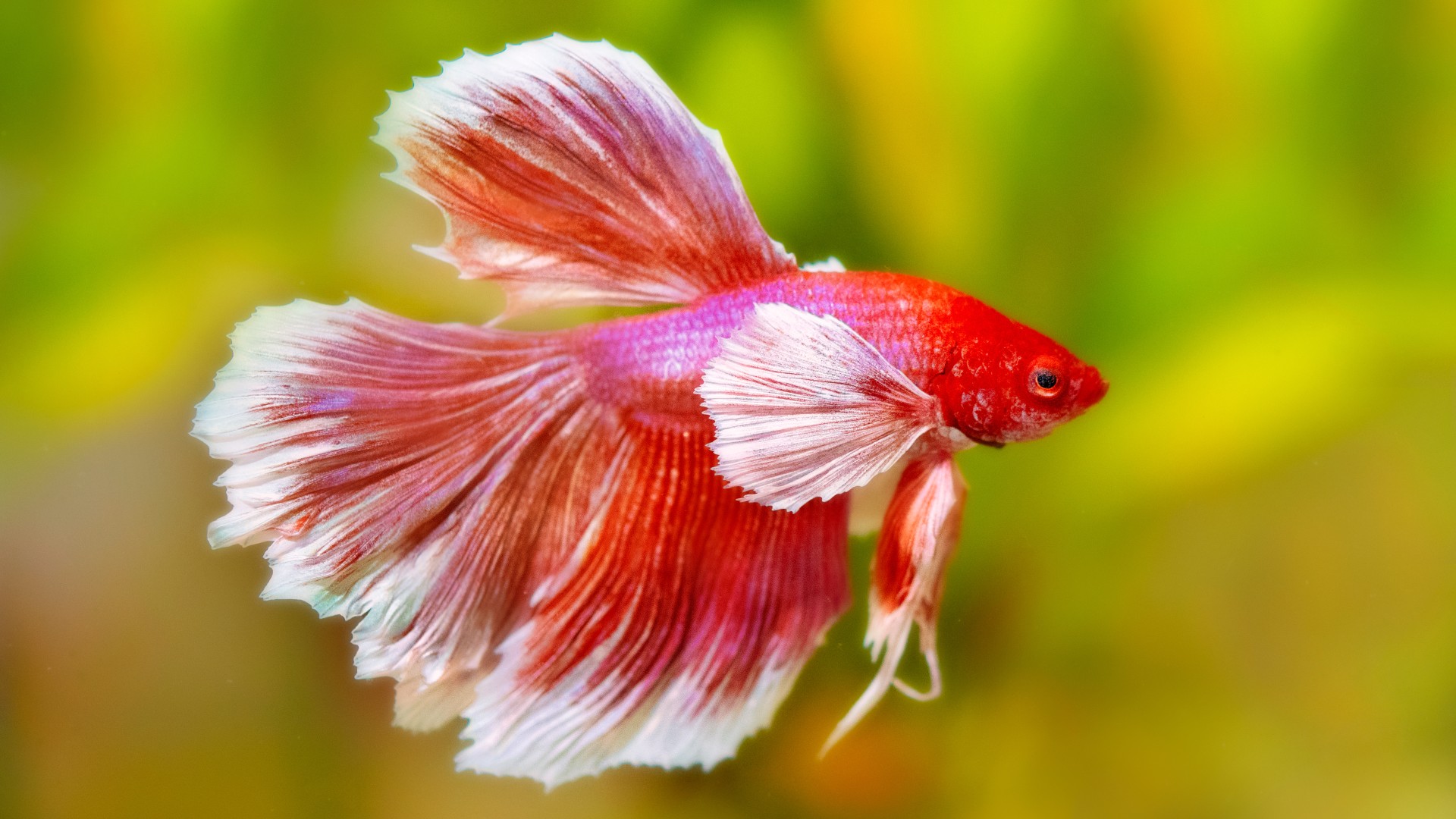
Allow the water to sit for several days or weeks. The tannins will slowly release, creating the ideal blackwater conditions. The water should become a clear, tea-colored brown. This process mimics the natural decay of leaves in their native habitats.
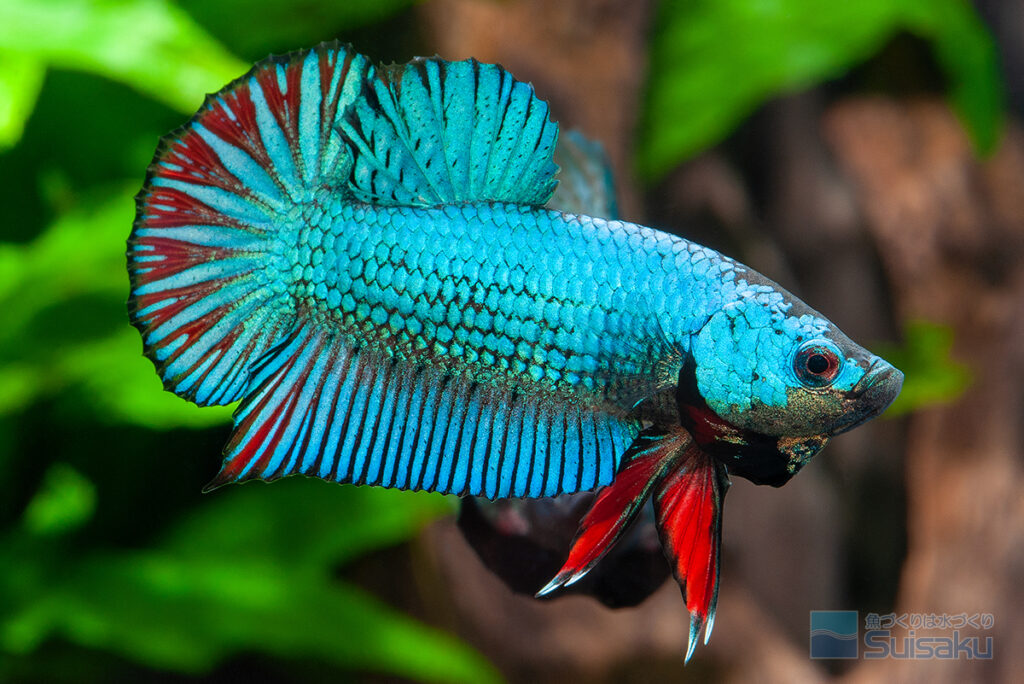
Replace almond leaves and peat moss as needed. The color will fade over time, indicating it's time for a change. Perform regular water changes, but ensure the new water is also conditioned and temperature-matched. This maintains the stable, acidic environment your betta needs.
Set up live plants and hiding spots
Setting Up a Tank for Wild Betta Fish works best as a sequence, not a scramble through settings. Do the minimum first: confirm compatibility, connect the core hardware, update only when needed, and test the result before adding optional features. That order keeps the task understandable and makes failures easier to isolate. After each step, pause long enough for the interface to finish syncing. Many setup problems are timing problems disguised as configuration problems. If the same step fails twice, record the exact error, restart the smallest affected piece, and retry before moving deeper.
Feed a varied natural diet
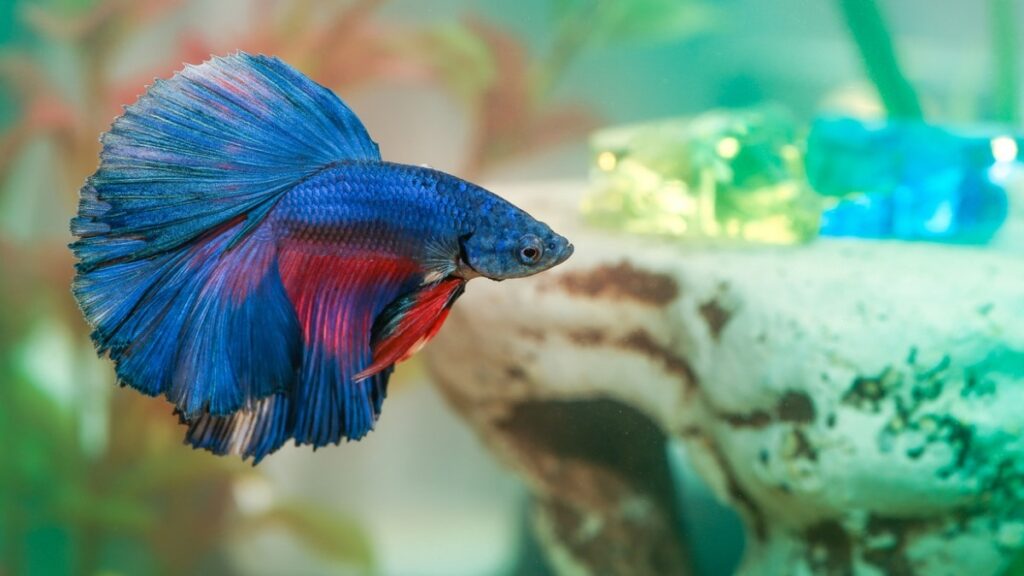
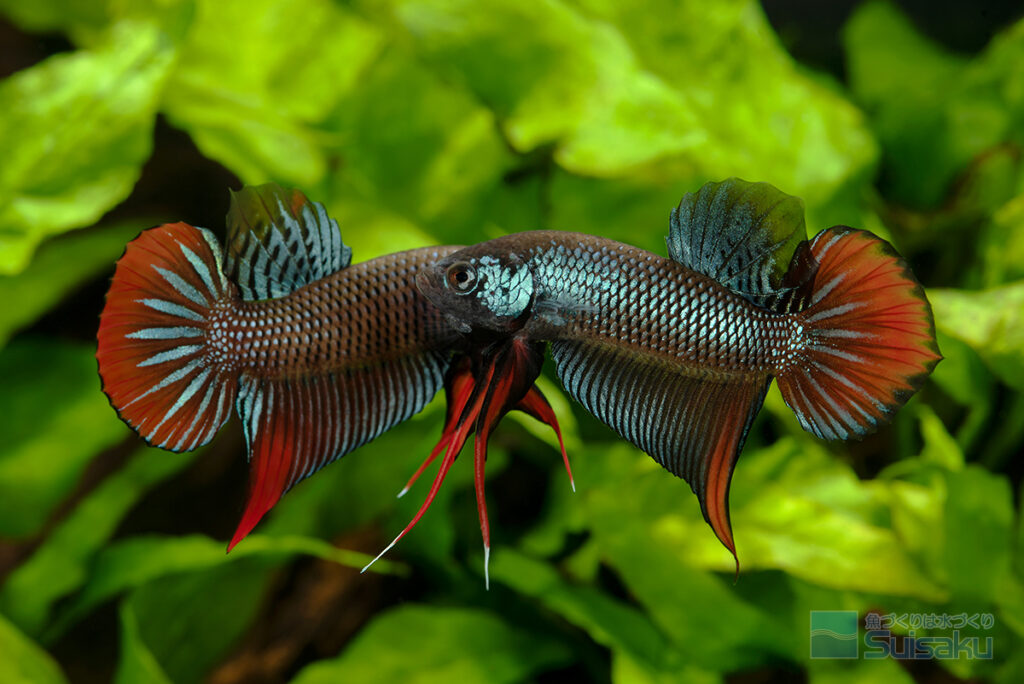
Wild Betta splendens are active predators with digestive systems adapted to a high-protein, low-carb diet found in their natural habitats. Unlike fancy bettas, which have been selectively bred for color and finnage and often accept standard pellets, wild types thrive on a diet that mimics their natural foraging behavior. Feeding them a varied menu of live or frozen foods is essential for maintaining their vibrant coloration, boosting immune function, and encouraging natural hunting instincts.
Prioritize live and frozen prey
Live foods offer the highest nutritional value and stimulate the fish’s reflexes. Brine shrimp (both newly hatched and adult) are an excellent staple, providing essential amino acids and pigments that enhance red and blue hues. Daphnia (water fleas) serve as a crucial fiber source, aiding in digestion and preventing constipation, a common issue in captive bettas. Bloodworms (chironomid larvae) are a high-protein treat that wild bettas find irresistible, but they should be offered in moderation to avoid fatty liver disease.
Supplement with high-quality frozen options
When live food is unavailable or impractical, high-quality frozen options are the next best choice. Ensure the frozen foods are thawed slowly in tank water before feeding to prevent shocking the fish and to reduce the risk of introducing parasites. Avoid feeding large quantities of bloodworms daily; instead, rotate them with brine shrimp and daphnia to provide a balanced nutrient profile.
Feeding schedule and portion control
Wild bettas are not bottom-feeders and will not clean up uneaten food. Feed small amounts two to three times daily, only as much as they can consume within two minutes. Remove any uneaten food after feeding to prevent water quality degradation. This strict portion control is critical because wild bettas can become obese if overfed, which shortens their lifespan and reduces their activity levels.
Checklist of recommended foods
-
Live brine shrimp (daily staple)
-
Live or frozen daphnia (twice weekly for digestion)
-
Live or frozen bloodworms (1-2 times weekly as a treat)
-
Small pieces of chopped earthworms (occasional high-protein boost)
-
High-quality frozen mysis shrimp (for variety)
Avoid feeding flake foods or standard pellet diets as the primary food source. These processed foods often contain fillers and plant-based ingredients that wild bettas cannot efficiently digest. If you must use pellets, choose a high-protein, meat-based formula and ensure it is small enough for the betta to swallow. However, a diet centered on live or frozen prey will yield the healthiest, most colorful, and most active wild bettas.
Monitor water quality weekly
Stable water parameters are the foundation of keeping wild bettas healthy. Unlike domesticated strains, wild types often originate from soft, acidic blackwater environments where even minor fluctuations can cause stress. Your goal is to replicate this stability through a consistent maintenance routine.
Test your water every seven days using a reliable liquid test kit. Focus on ammonia, nitrite, nitrate, pH, and general hardness (GH). Wild bettas from blackwater habitats typically thrive in pH levels between 5.0 and 7.0 and soft water (GH 1–10 dGH). If your tap water is hard or alkaline, you may need to mix in reverse osmosis (RO) water or use peat moss filtration to lower the pH and soften the water.
Perform a 20–25% water change once a week. Use a gravel vacuum to remove waste from the substrate without disturbing the beneficial bacteria colony. Condition the new water with a dechlorinator and ensure the temperature matches the tank within one degree to prevent thermal shock. Avoid over-cleaning; wild bettas thrive in established biomes rather than sterile environments.
Blackwater conditions require special attention. Tannins from driftwood and leaves naturally lower pH and soften water, which many wild species prefer. However, tannins stain water amber and can interfere with test kit readings. If you maintain a blackwater setup, monitor pH closely rather than relying solely on visual cues. Replace leaves as they decompose to prevent excessive tannin buildup and potential bacterial blooms.
Watch for signs of stress
Wild bettas show stress differently than fancy hybrids. Instead of just hiding, they often display physical changes that signal environmental mismatch. Watch for color fading, particularly the loss of the metallic shine found in species like Betta mahachaiensis [src-serp-2]. This dulling is a primary indicator that the water parameters or lighting are causing physiological strain.
Other behavioral cues include clamped fins, rapid gill movement, or frantic swimming against the glass. Unlike domesticated strains, wild-type bettas may also exhibit heightened aggression or extreme shyness when the tank environment feels unsafe. Adjust filtration flow, reduce lighting intensity, and add more hiding spots immediately if you notice these signs.
Frequently asked: what to check next
Are wild betta fish more aggressive?
Surprisingly, domesticated strains are often more aggressive than their wild counterparts. Research indicates that short-finned domesticated bettas show significantly higher aggression in mutual-viewing tests, which mimic actual fights. Wild bettas have evolved to conserve energy in their natural habitats, making them generally less confrontational.
Are betta fish rare in the wild?
Yes, many wild species are rare and endangered due to habitat destruction. Species like Betta pallida are so elusive they were rarely filmed in the wild until recently. Specialized retailers like Blackwater Aquatics often serve as primary sources for these hard-to-find species, highlighting their scarcity in the wild.
Can I keep wild bettas with other fish?
While wild bettas are less aggressive than domesticated ones, they still require careful tank mates. Avoid fin-nippers and overly active species that may stress the betta. Peaceful, slow-moving fish are best. Always monitor interactions closely during the first few weeks in a new setup.
No comments yet. Be the first to share your thoughts!