

Set up the right tank environment
Most beginners make the same fatal error: buying a bowl. A glass vase or 1-gallon bowl cannot hold heat or filter waste, turning the tank into a toxic trap within days. The minimum standard for betta fish care is a 5-gallon tank. This volume provides enough water mass to buffer temperature swings and dilute ammonia, giving you time to react before levels become dangerous.
Start by assembling the hardware. You need a reliable heater set to 78°F, a gentle internal filter or sponge filter, and a submersible thermometer to verify the heat. Bettas are labyrinth fish and breathe air, so keep the water surface clear of heavy floating plants or tight lids that restrict airflow. Once the tank is assembled, fill it with dechlorinated water and begin the cycling process. This biological phase takes 4–6 weeks to establish beneficial bacteria that break down waste. Do not add your betta until the cycle is complete.
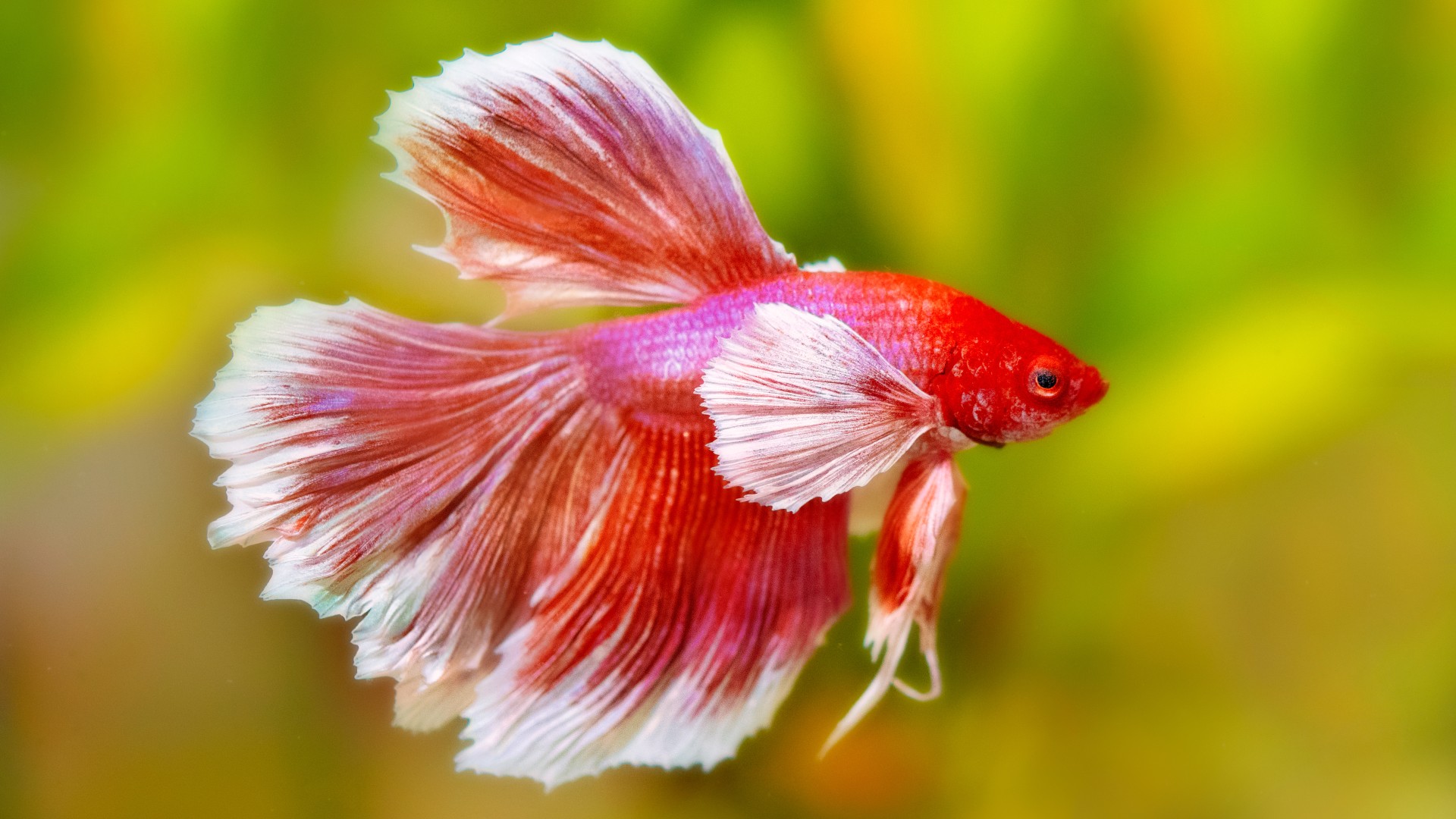
Skip the bowl. A 5-gallon tank provides the stable water parameters bettas need. Larger tanks (10 gallons) are even better for long-term stability, but 5 gallons is the absolute floor for health.
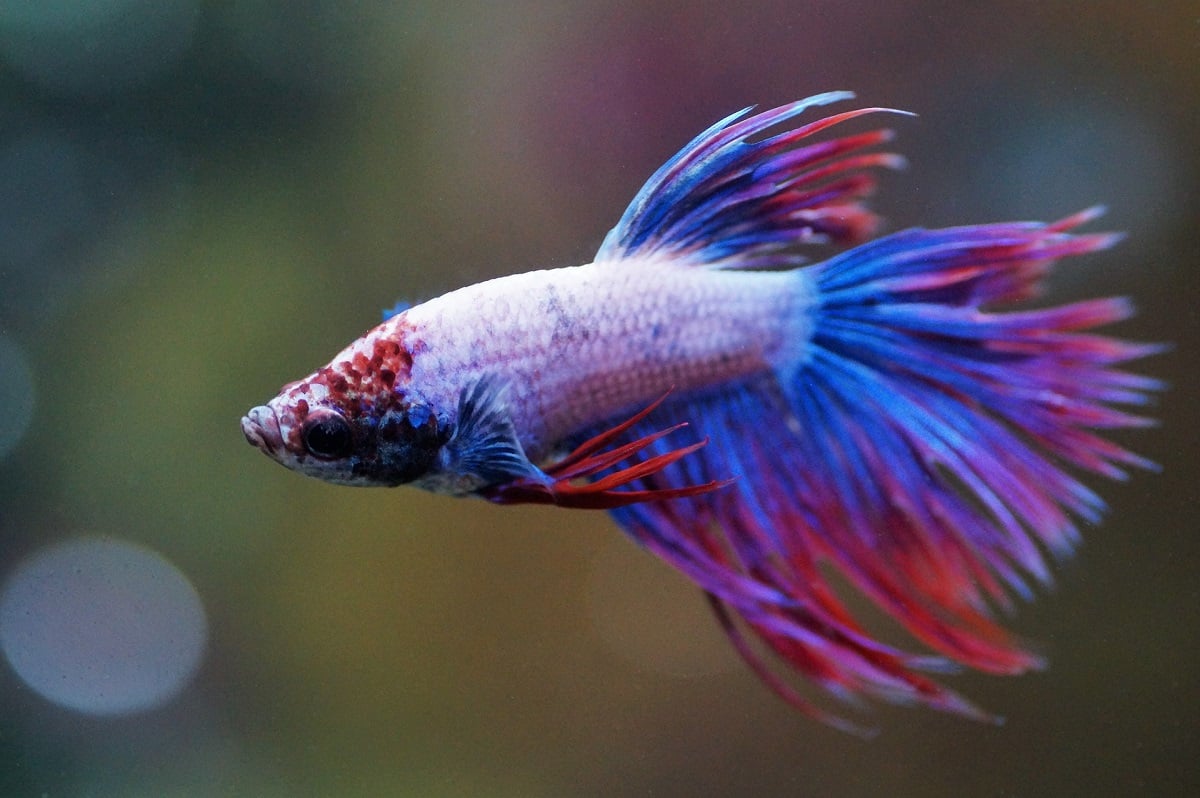
Set the heater to 78°F. Bettas are tropical fish and suffer in cold water. Use a thermometer to confirm the temperature stays between 76–81°F, as recommended by PetMD.
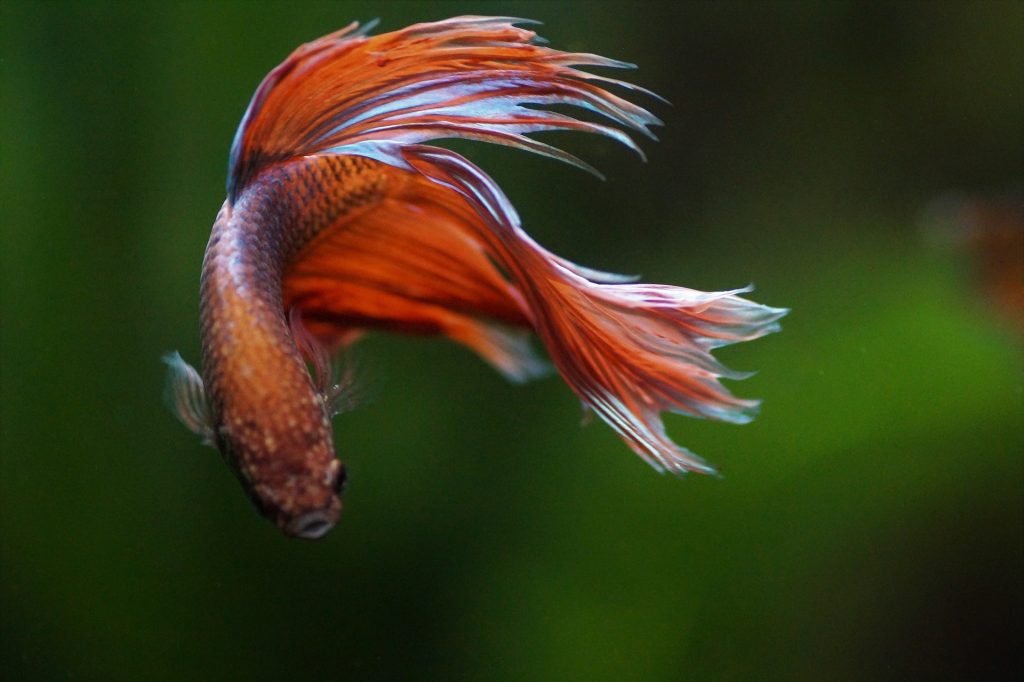
Use a sponge filter or a hang-on-back with a flow restrictor. Bettas have long fins and hate strong currents. The filter should move water gently to keep it clean without exhausting the fish.
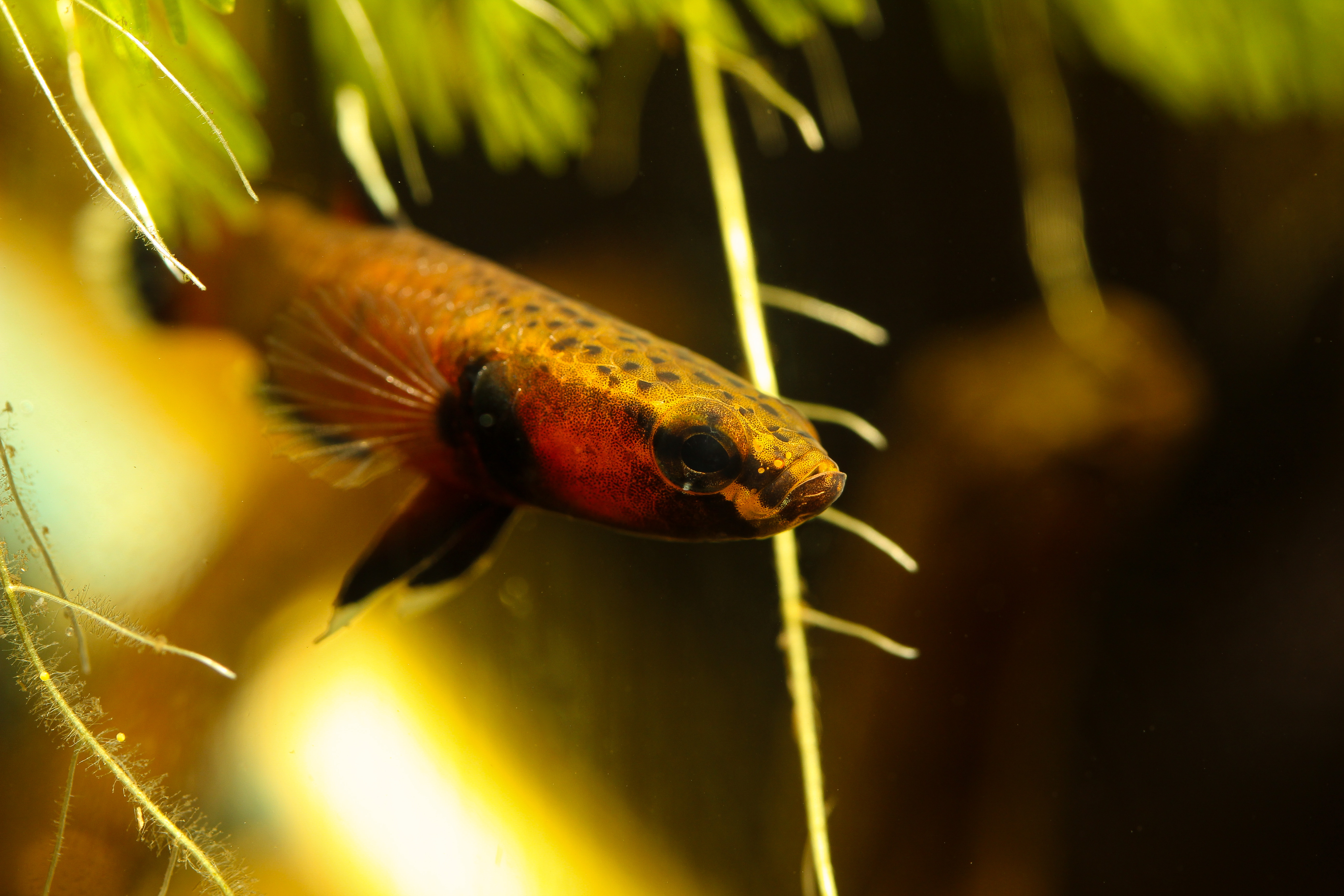
Before adding your betta, run the tank with just water and an air stone. This establishes beneficial bacteria to break down ammonia. Adding a fish too early leads to "new tank syndrome" and death.
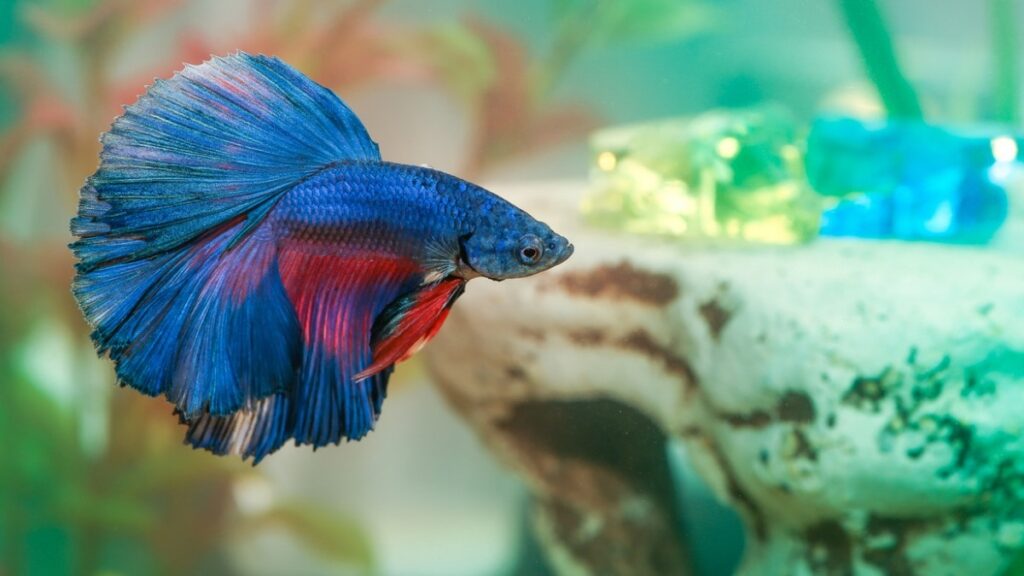
Use smooth gravel or sand. Add live plants like Java Fern or Anubias, which are hardy and provide hiding spots. These plants also help absorb nitrates, keeping the water cleaner longer.
Maintain water temperature and quality
Bettas rely on consistent warmth to regulate their metabolism. If the water drifts too cold, your betta slows down, stops eating, and becomes vulnerable to disease. The goal is not perfection, but stability. A reliable heater and a steady routine keep their immune system strong.
Keep the aquarium temperature between 76°F and 81°F [1]. This range mimics the shallow, sun-warmed waters of their native Southeast Asian habitats. Use a submersible heater with an adjustable thermostat to maintain this range. Always verify the heater’s setting with a separate, accurate aquarium thermometer, as built-in dials can drift over time.
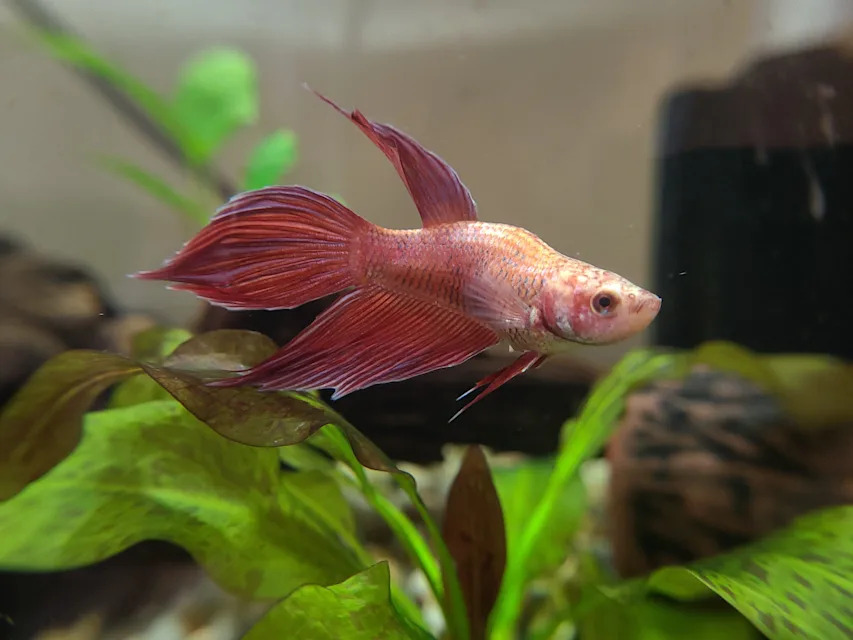
Water chemistry should be gentle. Aim for a pH level between 6.8 and 7.5 [2]. Bettas tolerate slight fluctuations, but sudden swings are stressful. Avoid using tap water without a conditioner, as chlorine and chloramines can damage their delicate gills. Perform partial water changes weekly to remove nitrates and keep the environment clean without disrupting the biological filter.
Feed bettas correctly to avoid disease
Overfeeding is the single biggest mistake betta owners make. It doesn’t just bloat the fish; it destroys water quality. Uneaten food rots quickly, spiking ammonia and nitrite levels that stress the immune system and invite disease.
Follow this strict feeding protocol to keep your betta healthy and the tank clean.
- Feed once daily. Bettas have tiny stomachs. A single feeding per day is sufficient for most adult fish.
- Limit portion size. Offer only what your betta can eat in 1–2 minutes. If food remains after two minutes, it is too much.
- Remove uneaten food. Use a net or siphon to remove any leftover pellets or flakes immediately. This prevents the water from turning cloudy and toxic.
Variety matters, but consistency matters more. Rotate high-quality betta pellets with occasional frozen or live treats like brine shrimp or bloodworms. This prevents nutritional deficiencies and keeps the fish interested. However, limit treats to once or twice a week to avoid excess fat intake.
Watch your betta’s body shape. A healthy betta has a streamlined, oval profile. If the belly appears swollen or distended even after fasting, reduce portion sizes further. If the fish refuses food for more than two days, check water parameters before adjusting the diet.
For detailed guidance on selecting the right food, refer to the Petco Betta Care Guide. Proper feeding is the foundation of a long, healthy life for your betta.
Lifespan and Wild Origins
Betta fish (Betta splendens) typically live between two and four years in captivity, though some well-cared-for individuals reach five years. This lifespan is relatively short compared to other aquarium species, driven by their biology and the high-energy lifestyle they maintain. In the wild, their life expectancy is often shorter due to predation, disease, and environmental stress, but their domesticated counterparts can thrive if their specific tropical needs are met.
Their wild ancestry is the primary driver of their care requirements. Native to the shallow rice paddies, swamps, and slow-moving streams of Southeast Asia, bettas evolved in warm, shallow waters rich in decaying plant matter. This environment dictates two critical tank parameters: temperature and water flow. They require a consistent water temperature between 78°F and 80°F (25.5°C–26.5°C). A reliable aquarium heater is not optional; without it, their metabolism slows, immune systems weaken, and their lifespan shortens significantly.
Understanding these origins helps explain their behavior and physical traits. Betta fish are labyrinth fish, meaning they possess a specialized organ that allows them to breathe atmospheric air directly from the surface. This adaptation evolved to survive in oxygen-poor stagnant waters where gill-breathing alone is insufficient. Consequently, bettas must have uninterrupted access to the water surface to gulp air. Blocking this access, even in a well-oxygenated tank, can cause suffocation.
Their wild nature also influences their social structure. Male bettas are fiercely territorial, a trait inherited from their solitary hunting and breeding habits in the wild. While they may appear social in pet store displays, they cannot coexist with other male bettas and often stress when kept with aggressive tank mates. Providing a species-appropriate environment means respecting these wild instincts: warm water, gentle filtration, surface access, and solitary housing for males.
Key Care Connections
- Temperature Control: Wild bettas live in warm tropical waters. Maintain 78–80°F with a submersible heater.
- Surface Access: Their labyrinth organ requires direct air access. Keep the water surface clear of heavy debris.
- Solitary Housing: Male bettas are territorial. House them alone to reduce stress and extend lifespan.
- Gentle Flow: Wild bettas prefer shallow, slow-moving water. Use a low-flow filter or baffle to prevent exhaustion.
Watch a betta care video demo
Visual references help reinforce the written instructions for tank setup and handling. Watching an expert demonstration clarifies steps that are difficult to describe in text, such as proper water parameter testing or gentle netting techniques.
The video below from Keeping Fish Simple covers essential care tips before bringing a betta home. It demonstrates practical handling and setup basics that complement the guide's written steps.
Check your betta care checklist
Before adding water or a fish, verify you have the essentials. A healthy betta requires a heated, filtered tank of at least 3 gallons, though 10 gallons is ideal for stability. Gather these items to start correctly.
- Tank: 5+ gallons minimum for stable water parameters
- Heater: Adjustable, submersible, set to 78-80°F
- Filter: Gentle flow, sponge or low-gallons rated
- Substrate: Fine gravel or bare bottom for easy cleaning
- Hiding spots: Live or silk plants, caves, or driftwood
- Water conditioner: Dechlorinator for tap water safety
- Test kit: Ammonia, nitrite, nitrate, and pH strips
- Feeder: Small pipette or long tweezers for precise feeding
Once the tank cycles and all supplies are ready, you can safely introduce your betta. This setup prevents common stressors and supports long-term health.
-
Tank is 5+ gallons with heater and filter
-
Water conditioned and cycled
-
Hiding spots and plants installed
-
Test kit and feeder ready
Common betta care: what to check next
Addressing frequent concerns helps prevent common mistakes before they affect your fish’s health. Focus on these core areas: water temperature, feeding habits, and tank environment.
What water temperature do bettas need?
Bettas thrive in warm water. Keep the aquarium between 76–81°F (24–27°C) and use a reliable aquarium thermometer to confirm it stays in range. A submersible heater with an adjustable thermostat is essential for maintaining this stability, especially in rooms with fluctuating temperatures [src-serp-1].
How often should I feed my betta?
Feed your betta once a day, offering only what they can consume in 1–2 minutes. Overfeeding is a leading cause of poor water quality and digestive issues. Remove any uneaten food after feeding to prevent it from decomposing and clouding the water [src-serp-8].
Can bettas live in a bowl?
No, bettas require a minimum of 5 gallons of filtered, heated water. Small bowls lack stable temperature control and proper filtration, leading to toxic ammonia buildup. A properly cycled tank with live plants or a sponge filter provides the clean, oxygen-rich environment bettas need to live long, healthy lives.
Why is my betta hiding all the time?
Hiding can be normal behavior, especially during the first few days in a new tank as they adjust. However, constant hiding combined with lethargy or loss of appetite may indicate stress from poor water quality, incorrect temperature, or bullying from tank mates. Test your water parameters and ensure the tank has plenty of hiding spots like caves or dense plants.
No comments yet. Be the first to share your thoughts!