

Check the setup requirements
Before you introduce a betta fish to its new home, verify that the tank environment matches its biological needs. Bettas are tropical fish that require stable, warm water to maintain their immune systems and energy levels. A mismatched setup often leads to stress, fin rot, or lethargy within days of arrival.
Start by confirming your heater and thermometer are calibrated correctly. The water temperature must stay between 76°F and 81°F (24°C–27°C). Use a reliable external thermometer to verify the heater’s display, as internal sensors can drift. A submersible heater with an adjustable thermostat is essential for small tanks where temperature fluctuations happen quickly.
Next, ensure you have a high-quality water conditioner. Tap water contains chlorine and chloramines that are lethal to bettas. Products like Seachem Prime or API AquaSafe neutralize these chemicals and add essential electrolytes. Never skip this step when filling the tank or performing water changes.
Finally, check that your filtration system is gentle. Bettas have long, flowing fins that struggle in strong currents. A sponge filter or a hang-on-back filter with a baffle provides necessary biological filtration without creating a whirlpool. Avoid powerful canister filters unless you can significantly reduce the flow output.

-
Heater calibrated to 76–81°F
-
Water conditioner available for all water changes
-
Low-flow filtration system installed
-
Thermometer verified against heater display
-
Tank cycled and ammonia/nitrite at 0 ppm
Place a standalone thermometer in the tank alongside the heater. Wait 24 hours to ensure the water stays consistently within the 76–81°F range. Adjust the heater dial if the reading deviates by more than one degree.
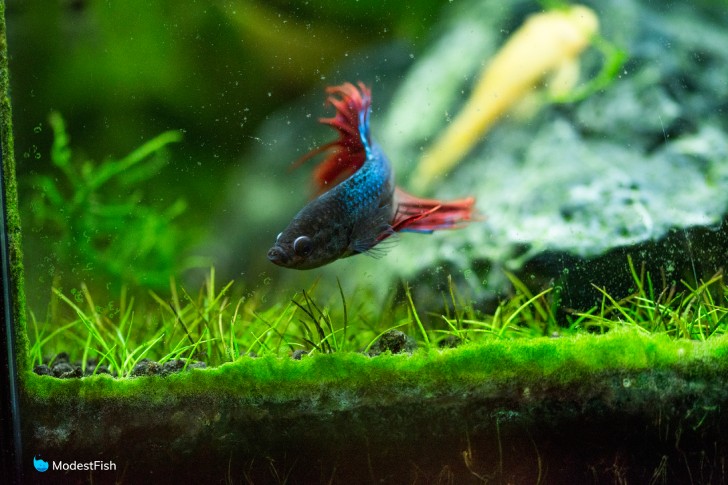
Use a liquid test kit to check for ammonia, nitrite, and nitrate. A newly set-up tank must be cycled before adding fish. If levels are not zero, perform partial water changes and add beneficial bacteria supplements until the cycle completes.
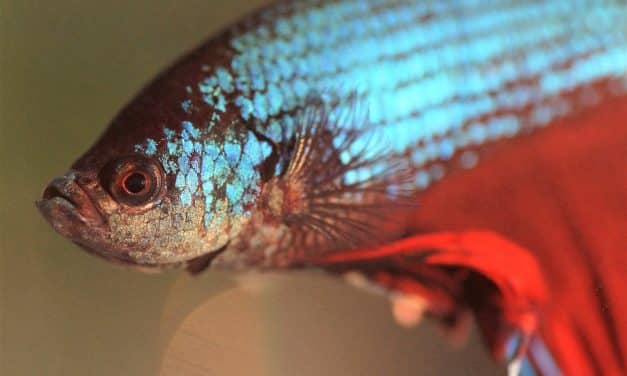
Place a piece of driftwood or dense live plants in front of the filter output to break the current. The betta should be able to rest near the surface without fighting the water movement. Strong currents cause fin damage and exhaustion.
Configure your betta tank for health and stability
Setting up a betta tank properly prevents disease and stress before the fish ever enters the water. A well-configured environment mimics the shallow, warm waters of Southeast Asia where bettas originate. This process involves selecting the right tank size, installing filtration and heating, preparing the substrate, and cycling the water to establish beneficial bacteria.
Skipping steps like heating or cycling leads to common issues like fin rot or lethargy. Follow this sequence to build a stable habitat that supports a lifespan of two to five years.
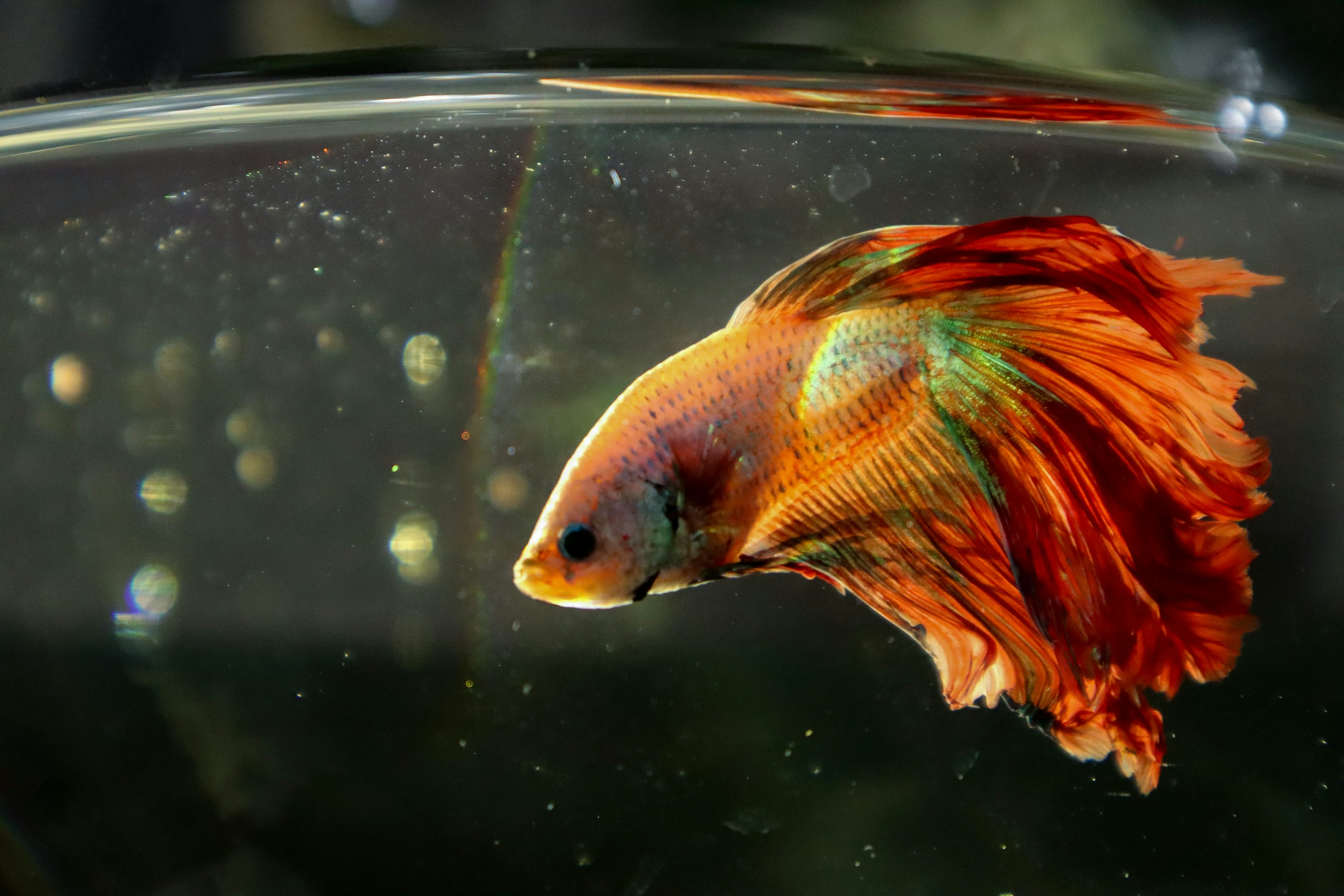
Small bowls and vases are common beginner mistakes. Bettas produce significant waste, and a 5-gallon tank provides enough water volume to dilute toxins like ammonia and nitrites. This volume also offers stable temperature regulation, which is critical for tropical fish. Larger tanks are even better for long-term stability.
Bettas are tropical fish that thrive in warm water between 76°F and 81°F (24°C–27°C). Use an adjustable submersible heater rated for your tank size, such as a 50-watt heater for a 5-gallon tank. Always pair it with an aquarium thermometer to verify the actual water temperature, as digital displays on heaters can sometimes drift.
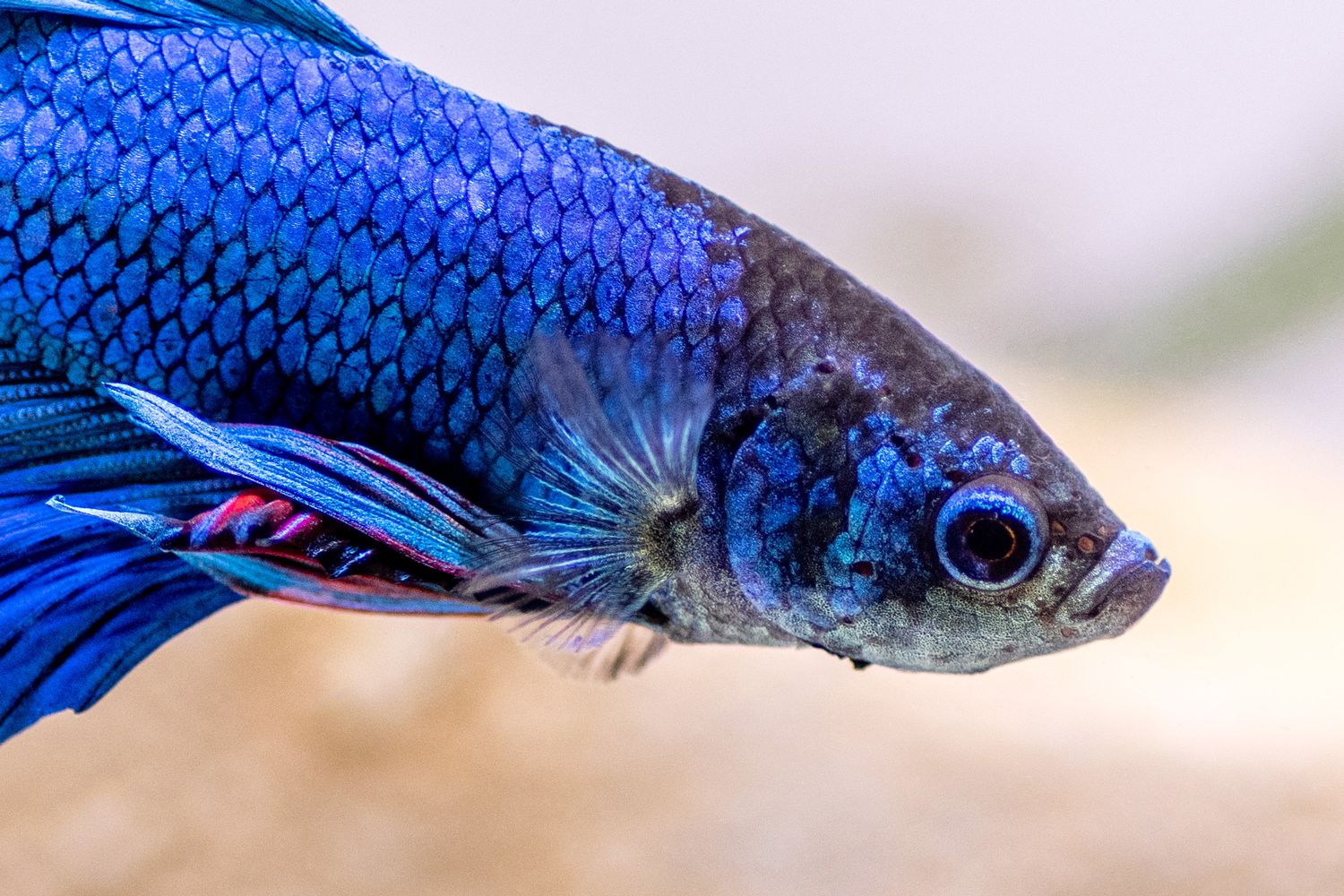
A filter keeps water clean by removing debris and hosting beneficial bacteria. Choose a low-flow sponge filter or a hang-on-back filter with an adjustable flow rate. Bettas have long, heavy fins and struggle in strong currents. If the filter is too powerful, add a spray bar or restrict the outlet to create calm water movement.
Add a layer of smooth gravel or sand to the tank bottom. Bettas often sift through substrate, so avoid sharp edges that can damage their bellies. Plant the tank with live or high-quality silk plants to provide hiding spots and break up line of sight. Live plants also help absorb nitrates, but silk plants are easier to maintain and won’t be torn apart by curious fish.
Never add tap water directly to the tank. Use a water conditioner like Seachem Prime or API AquaSafe to remove chlorine and chloramines, which are toxic to fish. Then, begin the nitrogen cycle by adding an ammonia source and testing water weekly. This process grows beneficial bacteria that convert toxic ammonia into less harmful nitrates. Wait until ammonia and nitrites read zero before adding your betta.
Mistakes That Break the Setup
Even a well-decorated tank can fail if the basic parameters are ignored. Bettas are sensitive to water chemistry and temperature swings, so small oversights often lead to stress, disease, or early death. Focus on these three common pitfalls to keep your fish stable.
Skipping Water Conditioner
Tap water contains chlorine and chloramines that burn a betta’s gills and destroy beneficial bacteria. Adding tap water directly to the tank without treating it first is the fastest way to shock your fish. Always use a reliable conditioner like Seachem Prime or API AquaSafe to neutralize these toxins before the water enters the aquarium.
Ignoring Temperature Stability
Bettas are tropical fish that require consistent warmth to maintain their metabolism and immune system. Keeping the tank between 76–81°F (24–27°C) is essential, but relying on the heater’s built-in gauge is risky because these often read inaccurately. Place a separate, calibrated thermometer in the tank to verify the actual water temperature. If the water drops below 75°F, your betta may become lethargic and susceptible to common diseases like ich.
Overstocking or Using Too Small a Tank
While bettas can survive in tiny bowls, they thrive in larger, stable environments. A tank under 5 gallons lacks the thermal mass to maintain a steady temperature and the volume to dilute waste effectively. This leads to rapid ammonia spikes that are toxic to bettas. Aim for at least a 5-gallon tank to provide enough swimming space and water stability for a healthy lifespan.
Betta fish care: what to check next
New owners often ask if a simple bowl is enough or how to handle basic maintenance. The answers below address the most common practical objections before you set up your tank.
No comments yet. Be the first to share your thoughts!