

Get wild betta fish right
Start to Wild Betta Fish with the constraint that matters most in real life: space, timing, budget, skill level, maintenance, or availability. That first constraint should shape the rest of the plan instead of appearing as an afterthought. Keep the first pass simple enough to verify. Compare the main options against the same criteria, remove choices that only work in ideal conditions, and save optional upgrades for later.
The simplest way to use this section is to write down the real constraint first, compare each option against it, and choose the path that still works outside ideal conditions.
Work through the steps
to Wild Betta Fish works best as a clear sequence: define the constraint, compare the realistic options, test the tradeoff, and choose the path with the fewest hidden costs. That order keeps the advice usable instead of decorative. After each step, pause long enough to check whether the recommendation still fits the reader's actual situation. If it depends on perfect timing, unusual access, or a best-case budget, include a simpler fallback.
Fix common mistakes
Wild betta fish are often treated like their fancy aquarium cousins, but this assumption leads to rapid health decline. These fish retain the instincts of their natural habitat. When you apply standard betta care routines to a wild type, you create a stressful environment that triggers disease or aggression. The following errors are the most common reasons wild bettas fail to thrive in captivity.
Overcrowding and tank mates
Many keepers try to house wild bettas with other fish, assuming they are peaceful like Betta imbellis. While some species are tolerant, many wild types are highly territorial. Even in a 10-gallon tank, two male Betta smaragdina will fight to the death if there is no cover. The mistake is providing visual barriers without enough space. You need a tank that allows them to establish distinct territories. If you must keep multiple, ensure the tank is at least 20 gallons long with heavy planting to break lines of sight. Never house a male wild betta with a female of the same species unless you are breeding and can separate them immediately.
Wrong water parameters
Standard bettas tolerate a wide range of temperatures and pH levels. Wild bettas, especially those from blackwater habitats, need specific conditions. They often require soft, acidic water with a pH between 5.5 and 6.5. Introducing them to hard, alkaline tap water causes osmotic stress. This stress suppresses their immune system, making them susceptible to fin rot and ich. Test your water before adding any wild betta. Use RO water or mix in peat moss to achieve the correct acidity. Do not skip the cycling process; wild bettas are more sensitive to ammonia spikes than domesticated varieties.
Inadequate diet
Feeding a wild betta only dry flakes is a slow path to malnutrition. These fish are primarily insectivores in the wild. A diet lacking in live or frozen foods leads to stunted growth and poor coloration. The mistake is ignoring their protein needs. Supplement their diet with bloodworms, brine shrimp, or daphnia at least twice a week. If you only provide flakes, they may stop eating entirely. Observe their feeding behavior closely. If they ignore dry food, switch to live food to stimulate their natural hunting instincts.
Wild betta fish: what to check next
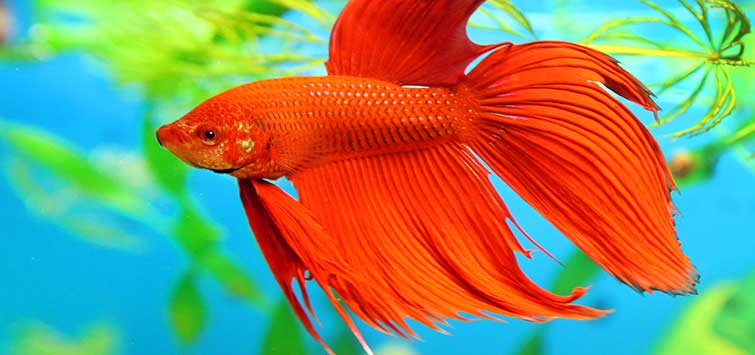
Before adding a wild betta to your tank, it helps to separate myth from the biological reality of these hardy but specific fish. Unlike the aggressive Siamese fighting fish (Betta splendens) you see in pet store bowls, wild types like Betta imbellis or Betta smaragdina have different temperaments, dietary needs, and legal statuses.
Here are the most practical answers to common questions about keeping wild bettas.
No comments yet. Be the first to share your thoughts!