

Setting a realistic betta fish care budget
A healthy betta doesn't have to break the bank, but the cheapest option often costs more in the long run. The initial setup is where most beginners underestimate expenses. You need a minimum 5-gallon tank, a reliable heater to keep water between 78–80°F, a filter, and a substrate. Skipping the heater is the most common budget mistake; bettas are tropical fish, and cold water leads to stress, stalled growth, and shortened lifespans.
When shopping for gear, prioritize function over flash. A simple sponge filter or hang-on-back unit works fine for a 5-gallon tank. Avoid kits that include plastic plants and decorative castles, which can harm fins or harbor bacteria. Instead, spend that money on live plants or high-quality silk alternatives and a good water conditioner. The tank itself should be sturdy glass or thick acrylic, not the thin plastic bowls often found in discount aisles.
Recommended gear for a 5-gallon setup
These items form the core of a functional, budget-friendly betta habitat. Prices vary by retailer and season, so check current availability before purchasing.


As an Amazon Associate, we may earn from qualifying purchases.
Maintenance costs are typically low but consistent. Water conditioner, liquid test strips for ammonia and nitrites, and high-quality pellets are your recurring expenses. A good rule of thumb is to budget an extra 10–15% above your initial gear cost for these supplies. This buffer ensures you never have to choose between feeding your fish and testing the water quality.
Compare the best betta tank setups
Choosing the right equipment is the difference between a stressed fish and a vibrant one. Bettas are tropical fish that require stable, warm water to thrive, making heater and filtration choices critical. While some sellers market tiny bowls, a heated and filtered tank of at least 3 gallons is the minimum standard for health, with 5 to 10 gallons offering much better stability.
The table below compares four proven starter setups that balance quality filtration with appropriate tank volume. These options cover the most common beginner needs, from compact desktop units to spacious long tanks that allow for better swimming space.
Why these options work
The Aqueon Betta Kit is often recommended because it includes everything needed to start immediately. The adjustable heater ensures the water stays between 76–81°F, which is essential for digestion and immune function. This all-in-one approach reduces the risk of buying incompatible parts.
For those who prefer a larger footprint, the Tetra AquaAir 10 uses air-driven filtration. This method is gentle on bettas, whose long fins can get caught in strong currents. However, you will need to source a separate submersible heater to maintain proper temperature.
The Marineland Penguin BioWheel setup is ideal if you want to customize your tank. Buying the tank and filter separately lets you choose specific decorations and plants. The BioWheel provides excellent biological filtration, keeping ammonia levels low without frequent water changes.
Finally, the Fluval Spec V is a popular choice for small spaces. Its compact design fits on desks or nightstands, but the 4.5-gallon volume means water parameters can fluctuate faster than in larger tanks. You must monitor temperature closely since it does not include a heater.


As an Amazon Associate, we may earn from qualifying purchases.
Inspect the expensive parts
to Betta Fish Care works best as a clear sequence: define the constraint, compare the realistic options, test the tradeoff, and choose the path with the fewest hidden costs. That order keeps the advice usable instead of decorative. After each step, pause long enough to check whether the recommendation still fits the reader's actual situation. If it depends on perfect timing, unusual access, or a best-case budget, include a simpler fallback.
Plan for Ownership Costs
A $5 betta is only the beginning. The real expense lies in the infrastructure required to keep that fish alive long-term. Without a heater, a stable tank, and proper filtration, a betta’s lifespan drops from five years to mere months, turning a cheap purchase into a costly cycle of replacement.
The Non-Negotiables
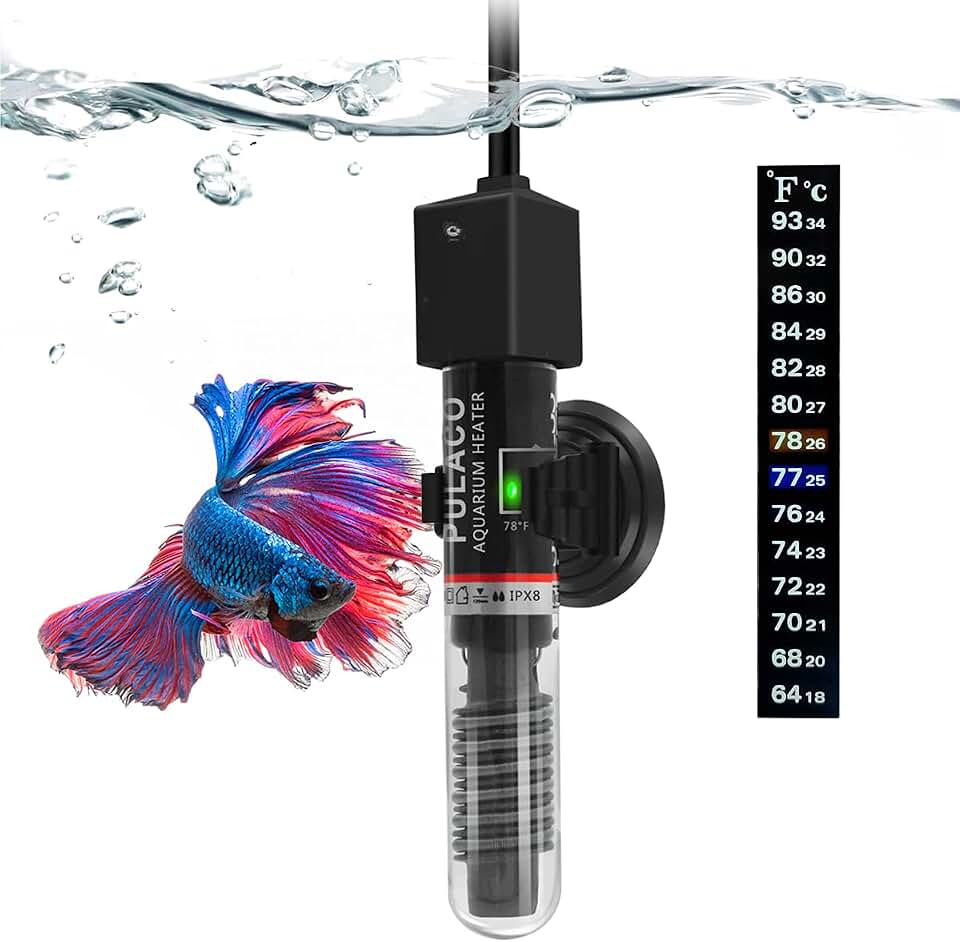
Tropical bettas require consistent warmth. A submersible aquarium heater is essential to maintain water between 78–80°F. Pair this with a reliable aquarium thermometer to verify the temperature, as heaters can fail or drift. Skipping these tools risks shock and disease.
Maintenance Surprises
Beyond the initial setup, recurring costs add up. Water conditioner, dechlorinator, and test strips are monthly necessities. Even with a filter, you must perform weekly partial water changes. Budget for replacements of filter media and occasional substrate cleaning. These small, regular expenses prevent the larger costs of treating sick fish or replacing a dead one.
When Cheap Stops Being Cheap
Avoid the temptation to use a tiny bowl or unfiltered jar. While the upfront cost is low, the lack of stable water quality leads to stress, fin rot, and early death. Investing in a proper 5-gallon tank with a gentle filter and heater pays off in health and longevity.

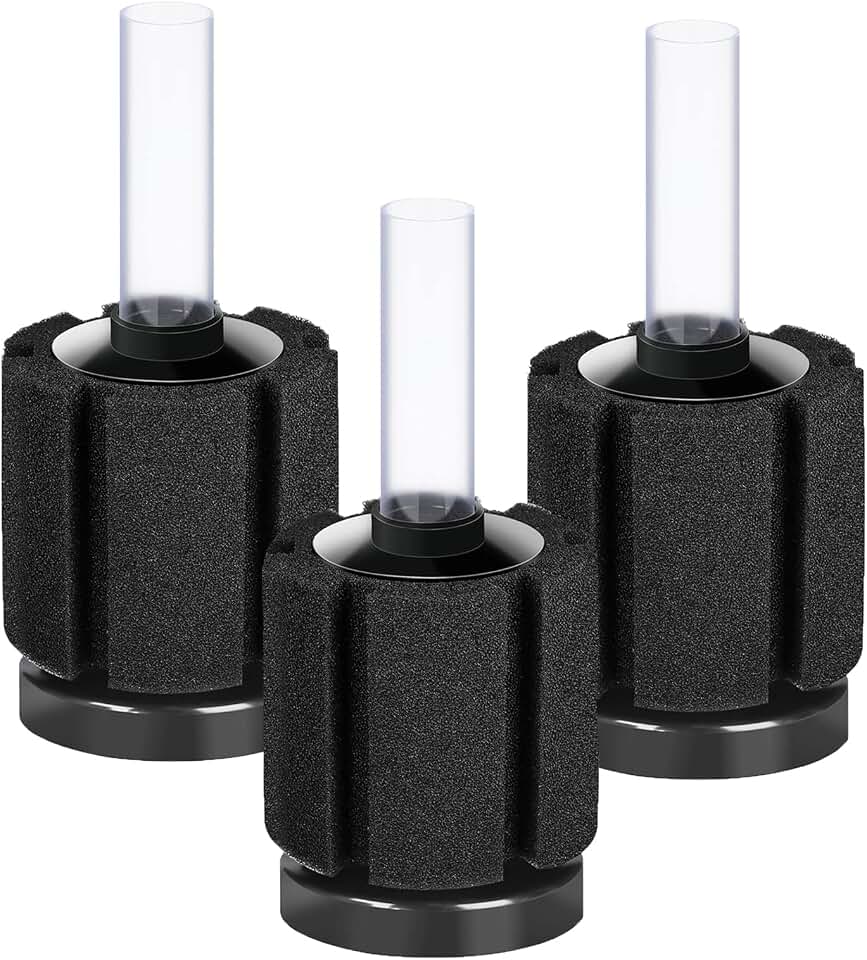
As an Amazon Associate, we may earn from qualifying purchases.
Betta Fish Care: Common Questions Answered
Betta fish are tropical fish that thrive in warm, stable environments. While often sold in small cups or bowls, they require specific conditions to reach their full lifespan and display vibrant colors. Here are the most practical answers to common betta care questions.
Proper setup is the foundation of betta care. Investing in the right tank size, heater, and filter upfront prevents costly health issues down the road.
No comments yet. Be the first to share your thoughts!