

Beautiful Bettas: A Visual Guide
Betta fish, also known as Siamese fighting fish, have captivated aquarium enthusiasts for generations. Their flowing fins, brilliant colors, and surprisingly complex personalities make them a joy to observe. It’s no wonder their popularity continues to rise; they’re relatively low-maintenance and can thrive in smaller setups compared to many other fish species.
However, this increasing demand means it’s more important than ever to be a responsible buyer. Not all sellers prioritize the health and well-being of their fish, and a poorly bred or shipped betta can arrive sick or stressed. Choosing the right seller isn’t just about getting a beautiful fish—it’s about supporting ethical practices and ensuring a long, healthy life for your new companion.
Finding a reputable source is the first step in responsible betta ownership. We’ll explore the best places to buy betta fish in 2026, focusing on sellers who prioritize fish health, offer fair prices, and operate transparently. Ethical sourcing is a key consideration; we want to support businesses that treat these magnificent creatures with the respect they deserve.
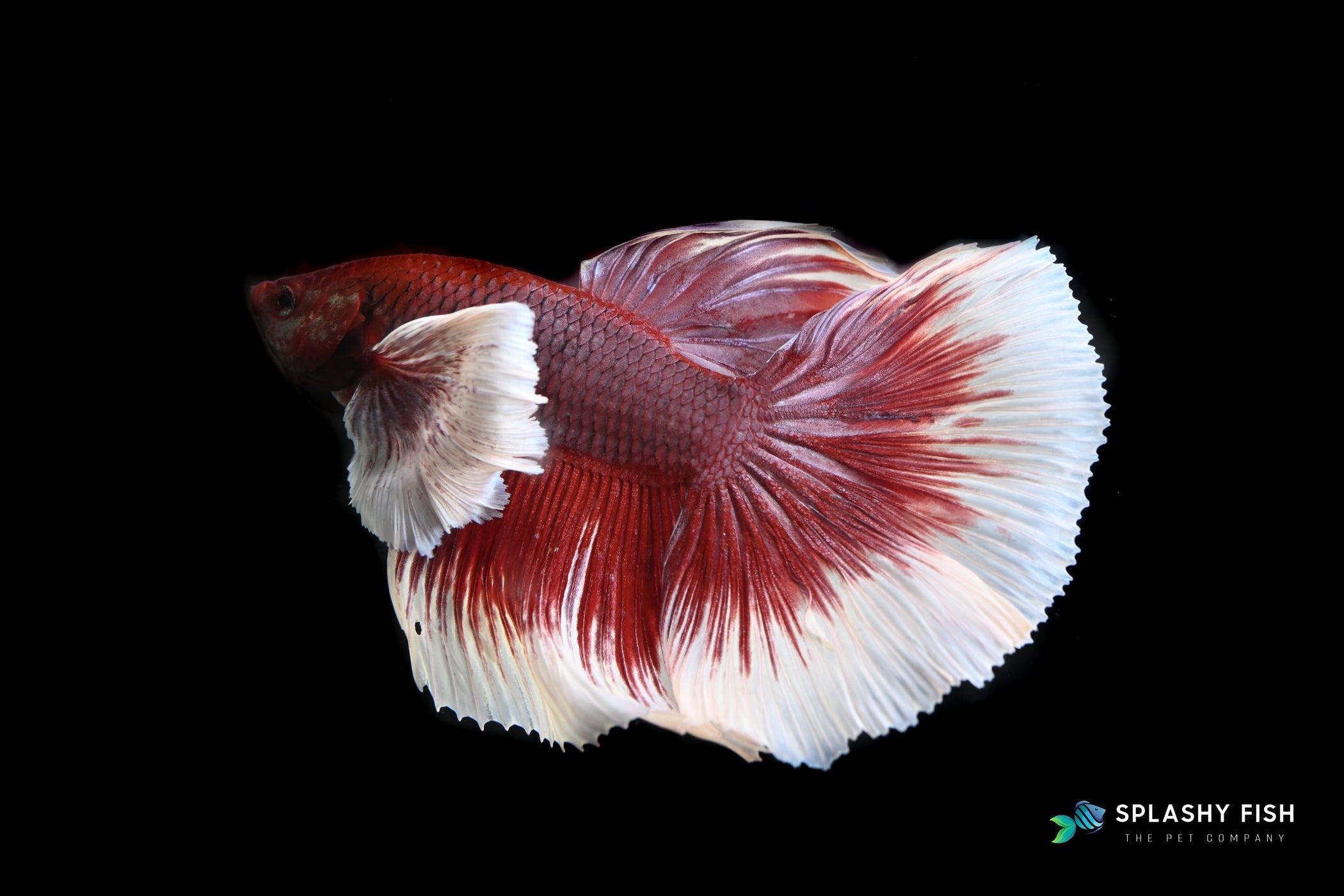
Top Online Betta Retailers (2026)
The online market for betta fish has exploded in recent years, offering a wide selection and convenience. But with so many options, it can be difficult to know where to start. We’ve researched and evaluated several retailers, focusing on key criteria like shipping, variety, price, customer service, and ethical sourcing. Here’s a breakdown of some of the best places to buy betta fish online in 2026.
LiveAquaria stands out for its commitment to quality and fish health. They offer a limited but carefully curated selection of bettas, often focusing on more common varieties. Shipping is generally fast and reliable, with a live arrival guarantee. Prices are on the higher end, typically ranging from $20 to $40 per fish, but the peace of mind knowing you’re getting a healthy fish is worth the investment. Customer service is responsive, and they provide detailed care information on their website. Their sourcing practices are relatively transparent, partnering with established breeders.
TropicFlow boasts a much wider variety of bettas, including Halfmoon, Plakat, and even some rarer types. They frequently update their stock, offering unique colors and finnage. Prices are generally more competitive than LiveAquaria, ranging from $15 to $35 depending on the variety. Shipping is typically within 1-3 business days, and they offer a live arrival guarantee. I’ve read reports of occasional delays in customer service responses, but most customers report positive experiences. Their website features a large gallery of available fish, making it easy to browse.
JV Betta Fish For Sale is a dedicated betta breeder and retailer, offering a wide range of colors and fin types. They specialize in high-quality, healthy bettas and ship nationwide. Prices vary considerably depending on the fish, from $20 for common varieties to upwards of $100 for rare or show-quality specimens. Their website is easy to navigate, and they provide detailed information about each fish. They have a strong online presence and positive reviews regarding fish health and shipping.
Aquatic Arts consistently receives positive feedback for its careful packaging and healthy fish. They offer a good selection of bettas, including some unique color combinations. Prices are mid-range, around $25-$40 per fish. Their shipping is relatively quick, and they have a solid live arrival guarantee. I've personally seen comments praising their responsiveness to customer inquiries.
Betta Breeders Life focuses specifically on betta fish, offering a wide variety of colors and fin types. They pride themselves on ethical breeding practices and the health of their fish. Prices range from $25 to $60+, depending on the quality and rarity. Shipping is generally reliable, with a live arrival guarantee. They offer detailed care guides and are active in the betta community.
Amazon (through various sellers) can be a convenient option, but it requires careful vetting. The quality and reliability of sellers vary greatly. Prices can range from $10 to $50+, but be wary of suspiciously low prices, as they often indicate poor quality or unethical practices. Always check seller reviews and ensure they offer a live arrival guarantee. Amazon's customer service can be helpful if you encounter issues, but resolving problems with a third-party seller can be cumbersome.
Featured Products

5-gallon glass tank · Integrated water filtration system · Adjustable flow pump
This 5-gallon kit offers a sleek design with integrated filtration and LED lighting, providing a suitable environment for a single betta.

10-gallon glass tank · Hinged lid with LED lighting · Internal filter
A 10-gallon tank provides more swimming space, and this kit includes essential accessories for a comfortable betta habitat.

55-gallon glass tank · Submersible filter · Adjustable heater
This large 55-gallon kit is ideal for creating a spacious and well-equipped environment, though it is more than what a single betta typically requires.

5-gallon glass tank · Hidden internal filtration · LED lighting
This 5-gallon kit features a compact design with hidden filtration and LED lighting, making it a convenient option for a betta's home.
As an Amazon Associate I earn from qualifying purchases. Prices may vary.
Local Fish Stores: Still a Good Option?
Despite the convenience of online retailers, local fish stores (LFS) still offer several advantages. The biggest benefit is the ability to see the fish in person before purchasing. You can assess its health, behavior, and overall condition. A good LFS will have knowledgeable staff who can offer advice on betta care and answer your questions.
However, LFS also have potential drawbacks. Prices are often higher than online retailers, and the selection may be limited. The quality of care can vary significantly from store to store. Some LFS may not maintain optimal tank conditions or provide adequate quarantine procedures.
When evaluating an LFS, look for clean, well-maintained tanks. The fish should be active and alert, with no visible signs of illness. Observe the fish for fin rot, ich (white spots), or lethargy. Ask the staff about their quarantine procedures and water parameters. A reputable LFS will be happy to answer your questions and provide guidance. Supporting your local businesses is great, but prioritize fish health above all else.
Red Flags: Avoiding Unethical Sellers
Unfortunately, not all betta sellers prioritize the well-being of their fish. It’s crucial to be aware of red flags that indicate a potentially unethical seller. Overcrowded shipping containers are a major concern. Bettas need adequate space and oxygen during transport. If a seller ships multiple fish in a small container, it’s a sign they’re cutting corners.
Signs of illness are another warning signal. Avoid fish with fin rot (ragged or decaying fins), ich (small white spots), lethargy (lack of energy), or clamped fins (fins held close to the body). These are indicators of stress or disease. A lack of a live arrival guarantee is a significant red flag. Reputable sellers stand behind their fish and will replace or refund your purchase if it arrives dead or sick.
Poor customer service is another warning sign. If a seller is unresponsive to your inquiries or refuses to address your concerns, it’s best to avoid them. Suspiciously low prices should also raise your eyebrows. Healthy, well-cared-for bettas are not cheap to breed and maintain. If a price seems too good to be true, it probably is. Research the seller before making a purchase. Check online reviews and look for any complaints or negative feedback.
- Overcrowded Shipping: Multiple fish in a small container
- Signs of Illness: Fin rot, ich, lethargy, clamped fins
- No Live Arrival Guarantee: Seller doesn’t cover losses during shipping
- Poor Customer Service: Unresponsive or unhelpful seller
- Suspiciously Low Prices: Too good to be true
Betta Types and Price Expectations
The price of a betta fish can vary significantly depending on its type and appearance. Common varieties like Halfmoon, Crowntail, and Veiltail typically range from $15 to $30. Plakats, with their short fins, are often slightly less expensive, around $10 to $25.
Rarer fin types, such as Rose Tail or Double Tail, can cost $30 to $50 or more. Color also plays a role in pricing. Solid colors are generally less expensive than multi-colored or patterned bettas. Black Lace, Mustard Gas, and Koi bettas are often highly sought after and can command higher prices.
Keep in mind that pricing can also vary depending on the seller and the fish's age and size. Younger bettas (fry or juveniles) are typically less expensive than adult fish. Show-quality bettas, with perfect finnage and coloration, will be the most expensive. Understanding these factors will help you determine if a price is reasonable and avoid overpaying.
Shipping and Acclimation: What to Expect
Reputable betta sellers take great care in packaging their fish for transport. They typically ship in insulated boxes with heat or cold packs, depending on the weather. The betta is usually transported in a small, clear plastic bag filled with water and oxygen. It’s important to understand the proper acclimation process to minimize stress during the transition.
First, float the bag in your tank for 15-30 minutes to equalize the temperature. Then, slowly add small amounts of tank water to the bag over the next hour. This allows the fish to adjust to the water chemistry. Finally, gently release the betta into its new home. Avoid pouring the water from the shipping bag into your tank, as it may contain contaminants.
Monitor the fish closely for signs of stress, such as clamped fins, lethargy, or rapid breathing. A healthy betta will explore its new environment and exhibit normal behavior. If you notice any concerning symptoms, consult a veterinarian or experienced betta keeper. Proper acclimation is crucial for ensuring your new betta thrives in its new environment.
- Float the bag: 15-30 minutes to equalize temperature
- Slowly add tank water: Over 1 hour
- Gently release the betta: Into its new tank
- Monitor for stress: Clamped fins, lethargy, rapid breathing
Standout Sellers: Worth a Closer Look
While all the retailers we discussed have their strengths, a few consistently impressed us. JV Betta Fish For Sale truly shines in its dedication to quality and variety. Their fish are consistently healthy and vibrant, and their website offers detailed information about each specimen.
TropicFlow is another standout, especially for those looking for a wide selection of colors and fin types. Their customer service is generally responsive, and their packaging is reliable. They also frequently offer sales and promotions, making them a budget-friendly option.
Finally, LiveAquaria provides a level of assurance that’s hard to beat. Their commitment to fish health and their transparent sourcing practices make them a great choice for beginners or those who want peace of mind. They are a bit pricier, but the quality is consistently high.


No comments yet. Be the first to share your thoughts!