

Choose the right tank size
The most common mistake new betta owners make is starting with a bowl. While bettas can survive in small volumes of water, they cannot thrive. A bowl lacks the surface area needed for proper gas exchange and the volume required to dilute waste products. This instability leads to rapid ammonia spikes, which stress the fish and compromise its immune system.
A minimum 5-gallon tank is the absolute baseline for a single betta. This volume provides enough water mass to maintain stable temperature and water chemistry, giving the fish room to swim and establish territory. If you have the space, a 10-gallon tank is ideal for even greater stability.
The PetSmart Learning Center confirms that while some sources suggest 3 gallons as a bare minimum, bettas are significantly happier and healthier in larger, heated, and filtered environments. Small containers often lack the necessary equipment, making long-term care difficult.
Install heater and filter correctly
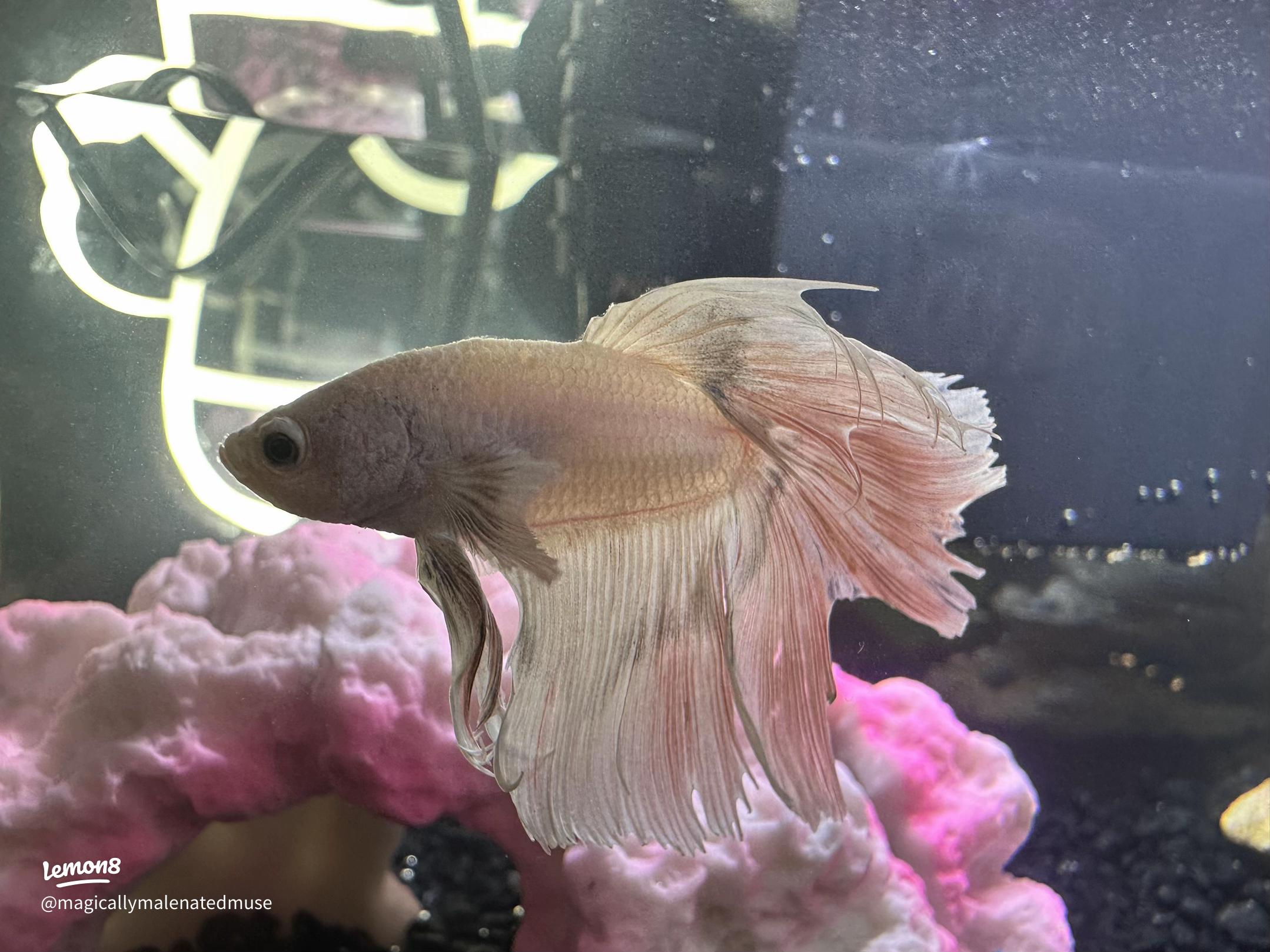
A betta tank needs two things to stay safe: steady warmth and clean water. Bettas are tropical fish, so they rely on a submersible heater to keep the water between 76°F and 81°F (24°C–27°C). Without a heater, their metabolism slows, their immune system weakens, and they become prone to disease.
The filter handles the waste. Bettas produce a lot of waste relative to their size, and a gentle filter removes ammonia and nitrites before they build up to toxic levels. The key is flow. Bettas have long, heavy fins that act like sails. If the current is too strong, they exhaust themselves trying to swim against it.
Position the heater
Place your submersible heater vertically inside the tank, ideally near the filter output to help distribute heat evenly. Most heaters should be fully submerged, but check the manufacturer’s label for specific depth requirements. Once installed, plug it in and monitor the temperature with an independent aquarium thermometer. Do not trust the heater’s built-in dial; these are often inaccurate. Adjust the setting until the tank stabilizes within the 76–81°F range.
Set up the filter for low flow
Choose a sponge filter or a hang-on-back filter with an adjustable flow valve. Sponge filters are excellent for bettas because they provide biological filtration without creating a strong current. If you use a hang-on-back filter, point the output downward or use a spray bar to break up the flow. Test the current by holding a piece of tissue paper near the output; if it blows away quickly, the flow is too strong. You can also add floating plants like frogbit or hornwort to further dissipate the current and give your betta resting spots.
Verify temperature and flow
After running the system for 24 hours, check the temperature and flow again. Bettas need consistent warmth, so avoid placing the tank in direct sunlight or near drafts. Ensure the filter is running quietly and efficiently. If the water surface is moving too much, adjust the filter output or add more plants. A calm, warm environment is the foundation of betta health.
Cycle the tank before adding fish
Before you even open the box for your betta, the water needs to be ready. A new tank is sterile, which sounds good until you realize there are no beneficial bacteria to process waste. This is where the nitrogen cycle comes in. It is the biological process that converts toxic ammonia into less harmful nitrites and finally into nitrates, which are safer for your fish.
Skipping this step is the fastest way to kill a betta. Without established bacteria, any waste produced by the fish—whether from food or excrement—turns immediately into ammonia. Ammonia burns the fish’s gills and eyes, causing stress, disease, and often death within days. This is known as "new tank syndrome," and it is entirely preventable if you let the cycle finish first.
The process takes time, typically 4 to 6 weeks. During this period, you must add a source of ammonia, such as pure ammonia drops or a pinch of fish food, to feed the bacteria. You also need a reliable water test kit to monitor levels. You will see ammonia rise first, followed by nitrites, and finally, as the bacteria colonies grow, both ammonia and nitrites will drop to zero while nitrates rise.
Your tank is safe for a betta only when you can run a cycle test showing 0 ppm ammonia, 0 ppm nitrites, and a low nitrate reading. Until those numbers are stable, keep the tank running empty or with a hardy plant. Patience here saves your fish later.
Add plants and hiding spots
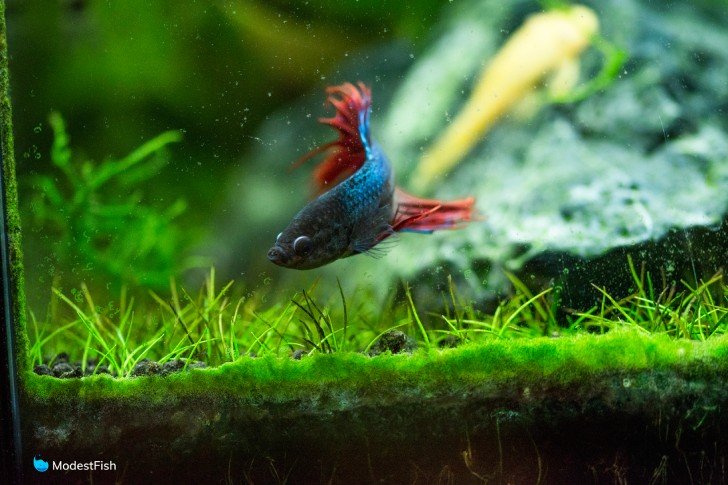
A bare tank feels like an empty room to a betta. Adding plants and cover creates a structured environment that mimics their natural habitat, helping to reduce stress and encourage natural behaviors.
Choose the right plants Live plants are the gold standard for water quality and aesthetics, but they require light and nutrients. Silk plants are a durable, safe alternative that provide the same visual cover without the maintenance. Avoid plastic plants with sharp, jagged leaves, as bettas have long, flowing fins that can easily tear on rough edges.
Create shelter and cover Bettas are ambush predators and enjoy having places to rest and hide. Add broad-leaf plants, driftwood, or ceramic caves to break up sightlines. This gives your fish a sense of security, which is essential for their well-being.
Feed your betta properly
Betta fish thrive on a consistent routine. Overfeeding is the most common mistake new owners make, leading to obesity and poor water quality. Stick to a daily schedule that prioritizes portion control and dietary variety.
Daily Feeding Routine
Feed your betta once a day, preferably in the morning. Offer only what the fish can consume within one to two minutes. For most adult bettas, this equates to about two to three pellets. If you notice food sinking to the bottom after a few minutes, you are feeding too much. Remove any uneaten food immediately to prevent it from decomposing and fouling the tank water.
Vary the Diet
While high-quality pellets should form the base of the diet, variety keeps your betta healthy and interested. Rotate between pellets, freeze-dried foods, and occasional live or frozen treats like bloodworms or brine shrimp. This mimics their natural foraging behavior and provides a broader range of nutrients.
Fasting Days
Incorporate one or two fasting days per week. Skipping a meal day helps clear their digestive tract and prevents bloating. You can skip feeding entirely on these days or offer a very small portion of blanched peas if digestion seems sluggish.
Perform weekly water changes
Betta fish thrive in clean water, but even the best filters can’t remove all toxins. Partial water changes are the most effective way to dilute nitrates and replenish essential minerals. Aim to replace 25–30% of the tank volume every seven days. This routine keeps ammonia and nitrite levels near zero, preventing stress and disease.
Step 1: Remove old water
Siphon the water out using a gravel vacuum or a dedicated bucket. Focus on the substrate to remove accumulated waste and uneaten food. Be careful not to disturb the betta or rip delicate plants. Leave the remaining water in the tank to maintain stable biological filtration.
Step 2: Condition new water
Never add tap water directly to the tank. It contains chlorine and chloramines that damage betta gills and kill beneficial bacteria. Use a water conditioner like Seachem Prime or API Aqua Safe to neutralize these chemicals before adding the water. This step is critical for your fish’s health.
Step 3: Match temperature and add water
Ensure the new water is within one degree of the tank’s current temperature. Use a thermometer to check both. Slowly pour the conditioned water back into the tank or use a siphon to reintroduce it gently. Sudden temperature shifts can shock your betta, leading to fin rot or lethargy.
Step 4: Clean glass and test parameters
Wipe the inside of the glass with an algae pad to improve visibility and light penetration. Test the water parameters weekly using a liquid test kit. Ammonia and nitrite should read 0 ppm, while nitrates should remain below 20 ppm. Adjust your cleaning schedule if levels spike.
Watch for signs of stress or illness
Your betta’s behavior and appearance are the first indicators of tank problems. Bettas are sensitive to water quality and temperature, so daily observation helps you catch issues before they become fatal. Keep the aquarium between 76–81°F and use a thermometer to confirm it stays in range, as temperature fluctuations are a common cause of stress.
Look for physical signs like clamped fins, where the fins are held tight against the body instead of flowing freely. Loss of appetite or lethargy are also red flags; a healthy betta should be active and eager to eat. If you notice white spots, frayed fins, or difficulty swimming, these may indicate disease.
Use this quick checklist to monitor your betta’s health:
- Activity Level: Is your betta swimming normally or hiding excessively?
- Appetite: Does your betta eat promptly when fed?
- Fins: Are fins fully extended or clamped?
- Color: Is the color vibrant or faded?
- Breathing: Are gills moving steadily or gasping at the surface?
If you spot any of these symptoms, check your water parameters immediately. Test for ammonia, nitrite, and nitrate levels, and ensure the filter is working properly. Early intervention can often resolve minor issues before they escalate.
Common betta care: what to check next
Betta fish are often sold as low-maintenance pets, but their specific needs for space and water quality require careful planning. Setting up the perfect tank involves more than just a bowl; it requires understanding their temperament and environmental preferences to ensure longevity and health.
Can I keep two male bettas together?
No. Male bettas are highly territorial and will fight to the death if housed together. While some keepers attempt "betta gardens" with multiple males, this requires massive tanks and constant monitoring, making it unsuitable for most hobbyists. Keep males in solitary confinement to prevent stress and injury.
What are the best betta tank mates?
Bettas do best with peaceful, non-fin-nipping community fish. Good choices include corydoras catfish, neon tetras, or snails. Avoid bright red or long-finned fish, as bettas may mistake them for rivals. Always monitor interactions closely during the first few weeks of cohabitation.
How large should a betta tank be?
A minimum of 5 gallons is recommended for a single betta. Smaller volumes fluctuate in temperature and toxin levels too rapidly, stressing the fish. A larger tank provides stable water parameters and more swimming space, which is essential for their physical and mental well-being.
Work through to Betta Fish Care
No comments yet. Be the first to share your thoughts!