

Betta Lifespan: Beyond the Five-Year Myth
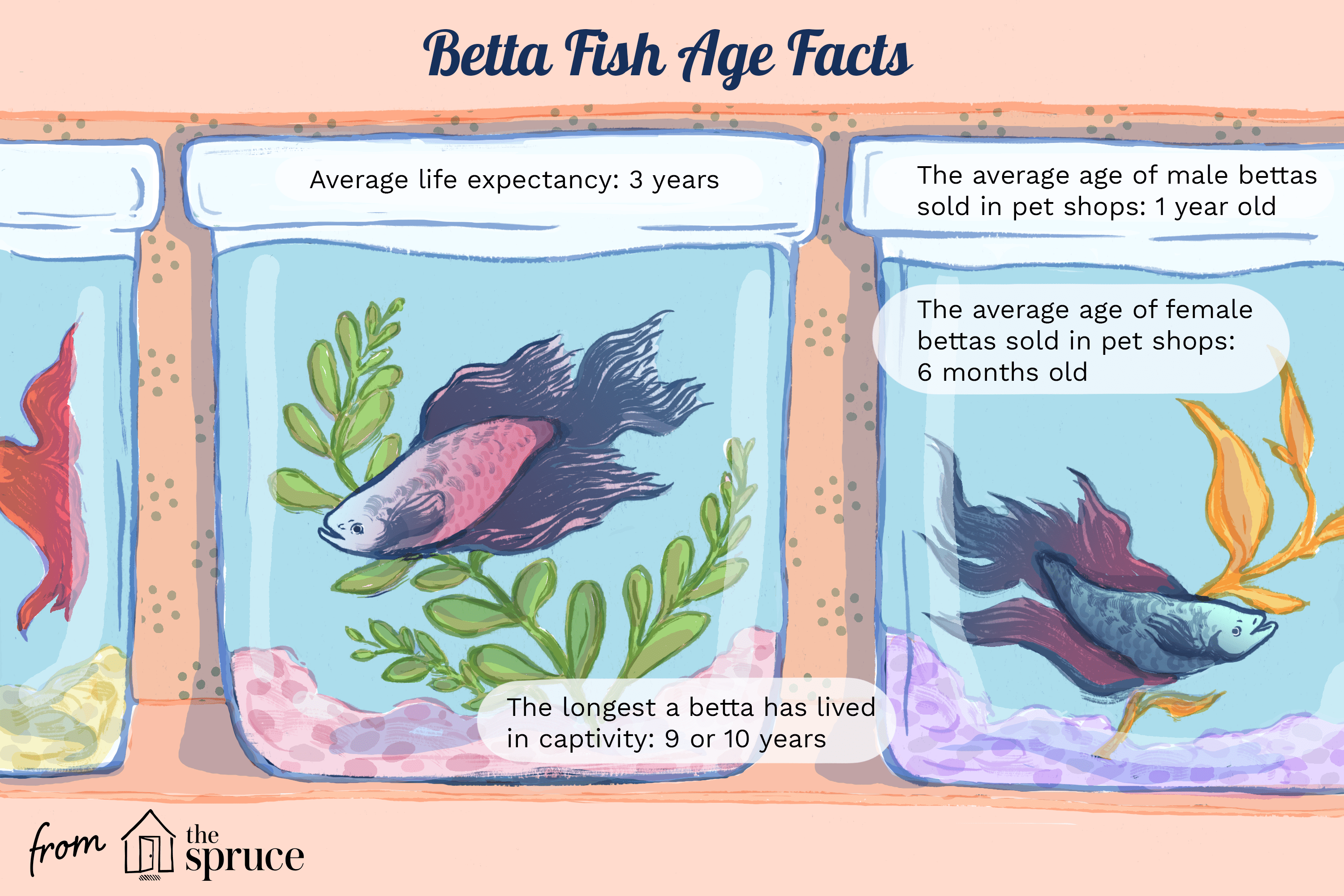
For years, the common wisdom has been that betta fish live only two to five years. While this can unfortunately be true, it represents a significant underestimation of their potential. With truly dedicated care, a betta can easily live for seven to ten years, and some have even been recorded living longer. This isn't just about luck; it's about understanding their needs and providing an environment where they can thrive.
The relatively short lifespans often observed are, in large part, a consequence of selective breeding practices. Bettas were originally bred for aggression – for fighting. Over time, this focus on appearance and combative spirit came at the expense of overall health and genetic diversity. Early breeding prioritized dramatic fins and bright colors, often overlooking underlying health issues. This created a legacy of genetic vulnerabilities that can shorten a betta’s life.
However, the narrative is changing. More breeders and hobbyists are now prioritizing health and vigor alongside aesthetics. A long life is possible, but it requires a commitment to providing optimal care – a commitment that extends beyond simply feeding and occasional water changes. We’ll explore what that commitment entails, covering everything from nutrition to environmental enrichment.
Nutrition’s Evolving Role
Betta nutrition has improved significantly. Traditional flake food, while convenient, is often insufficient. These flakes typically contain many fillers and lack the essential nutrients bettas need for optimal health and longevity, particularly adequate protein and essential amino acids.
Bettas are carnivores, so a protein-rich diet is essential. Bloodworms, daphnia, and brine shrimp are excellent staples, providing the building blocks for muscle development, immune function, and overall vitality. Variety is also key; a rotating menu of live, frozen, and high-quality prepared foods ensures a broad spectrum of nutrients. Bettas often show a clear preference for live foods, and their coloration frequently improves when they're regularly offered.
Recent research highlights the importance of specific amino acids in betta health. While definitive studies are still ongoing, early findings suggest that supplementing with certain amino acids can enhance immune response and potentially extend lifespan. Some betta-specific food formulations now claim to include these enhanced nutrient profiles. However, even the best food won’t compensate for poor water quality or other stressors. Overfeeding is also a significant concern, leading to obesity, digestive issues, and reduced lifespan.
- Bloodworms: Excellent source of protein.
- Daphnia: Aids in digestion and provides essential fatty acids.
- Brine shrimp: Another protein-rich option, often readily accepted by bettas.
Betta Food Comparison: Impact on Longevity
| Food Type | Protein & Ingredient Quality | Fiber Content | Convenience | Longevity Impact |
|---|---|---|---|---|
| Flakes | Generally Lower; often contain more fillers | Typically Low | Very Convenient | Low |
| Pellets | Variable; quality ranges widely, look for named fish/meat meals | Low to Moderate | Convenient | Medium |
| Frozen Foods (Bloodworms, Brine Shrimp) | High; excellent source of natural protein | Low | Requires Preparation & Storage | High |
| Frozen Foods (Specialty Betta Blends) | High; formulated with betta-specific nutritional needs | Low | Requires Preparation & Storage | High |
| Live Foods (Bloodworms, Daphnia) | Highest; most natural and bioavailable nutrients | Low | Most Demanding; requires consistent sourcing | High |
| Gel Foods (Homemade or Commercial) | Can be tailored to be very high; ingredient control | Adjustable | Moderate Preparation | Medium to High |
| Pellet-Based Diets with Added Supplements | Enhanced; supplements can address specific deficiencies | Low | Convenient | Medium to High |
Qualitative comparison based on the article research brief. Confirm current product details in the official docs before making implementation choices.
Water Parameters: The Non-Negotiables
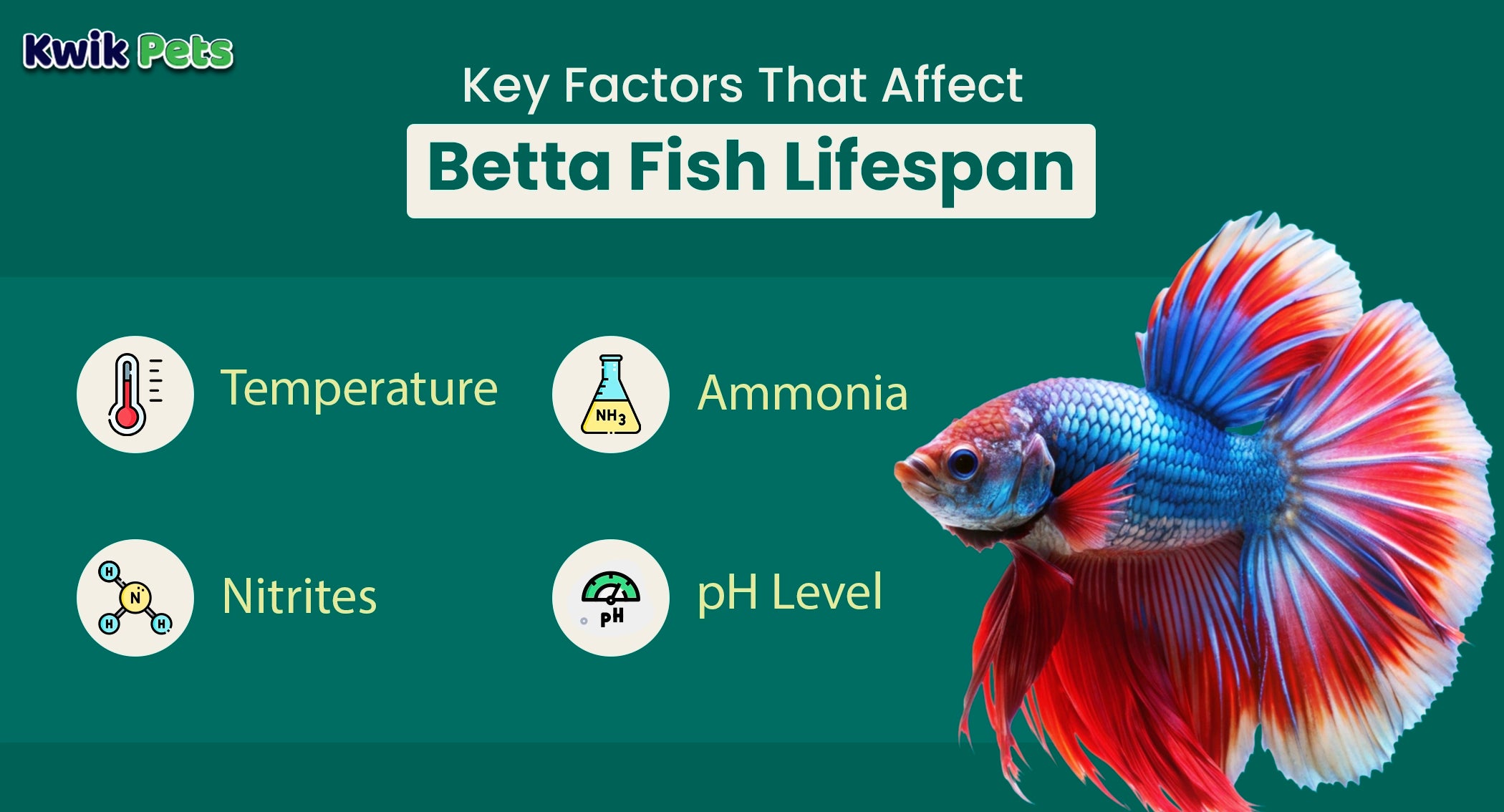
Stable and optimal water parameters are essential for a long and healthy betta life. The ideal temperature range is 78-82°F (25.5-28°C). A pH between 6.5 and 7.5 is generally acceptable, but stability matters more than hitting a specific number. Ammonia and nitrite levels must be zero, while nitrate levels should be kept below 20 ppm.
The nitrogen cycle is the foundation of a healthy aquarium. Beneficial bacteria convert harmful ammonia (from fish waste) into less toxic nitrite, and then into nitrate. This process requires adequate filtration and regular water changes. Without a properly established nitrogen cycle, ammonia and nitrite will accumulate, poisoning the fish and severely shortening its lifespan. Some filters are designed to support this beneficial bacteria growth.
Unstable water parameters cause immense stress on bettas, weakening their immune systems and making them susceptible to disease. Frequent fluctuations, even within acceptable ranges, can be detrimental. Regular testing with a liquid test kit is essential, and partial water changes (25-50% weekly) are crucial for maintaining water quality. Understanding how these parameters affect the fish’s gills, kidneys, and overall physiology is key to providing proper care.
Tank Size & Enrichment: More Than Just Space
The idea that bettas can thrive in tiny bowls is false and harmful. While they can survive in small spaces, they won't thrive. A minimum tank size of 5 gallons is essential, with 10 gallons or more recommended. Larger tanks provide more stable water parameters, more room for enrichment, and allow the betta to exhibit more natural behaviors.
Tank enrichment is as important as tank size. Bettas are inquisitive and enjoy exploring their environment. Providing plants (live or silk), hiding places (caves, driftwood), and varied terrain (smooth rocks, gravel) reduces stress and promotes their well-being. A varied environment encourages activity and prevents boredom, contributing to a longer, healthier life.
Recent studies show a correlation between tank layout and betta behavior. Tanks with more complex structures and hiding spots tend to result in less stressed and more active fish. Bettas in heavily planted tanks often appear more confident and exhibit more natural fin displays. Enrichment isn’t just about aesthetics; it’s about meeting their psychological needs.
Stressors and Their Cumulative Effect
Bettas are sensitive, and stress contributes significantly to illness and reduced lifespan. Common stressors include poor water quality, inadequate tank size, aggressive tank mates (even reflections in mirrors can be stressful!), loud noises, and sudden environmental changes. Chronic stress suppresses the immune system, making them more vulnerable to bacterial and fungal infections.
Understanding "cumulative stress’ is important. A single minor stressor might not be immediately harmful, but the constant accumulation of multiple stressors can overwhelm the fish"s ability to cope. For example, a slightly too-low temperature combined with a lack of hiding places and occasional loud noises can create a chronically stressed environment.
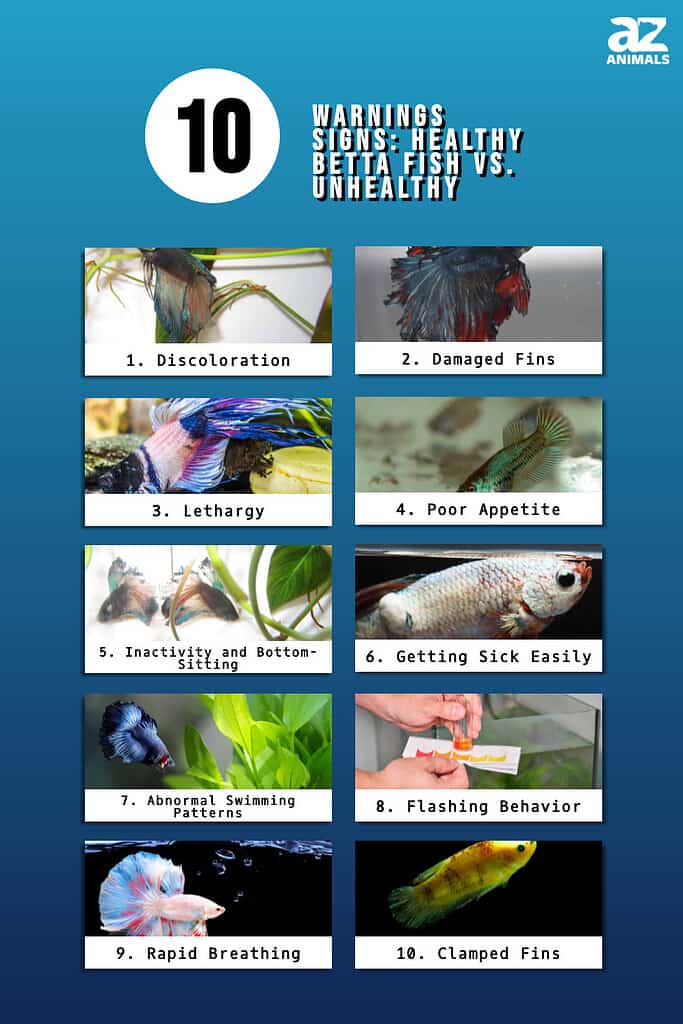
Even minor issues, like placing the tank in direct sunlight or tapping on the glass, can have a significant impact over time. Creating a stable and predictable environment is vital. Regularly observe your betta for signs of stress – clamped fins, lethargy, loss of appetite – and address any potential stressors promptly.
- Poor water quality: A primary stressor for bettas.
- Inadequate tank size: Restricts movement and creates stress.
- Aggressive tank mates: Can cause physical harm and constant stress.
- Loud noises & vibrations: Disrupts their peaceful environment.
Genetic Predisposition & Breeding Concerns
Selective breeding has created genetic issues in many betta lines. While breeders increasingly focus on health, many bettas still have predispositions to certain illnesses, such as fin rot susceptibility and organ failure. These genetic vulnerabilities can significantly impact their lifespan.
Fin rot, for example, is often worsened by genetic factors that compromise the immune system. Bettas with elaborate finnage are often more susceptible, as the delicate tissues are more prone to injury and infection. Responsible breeding practices are essential to address these issues, including careful selection of breeding pairs, avoiding inbreeding, and prioritizing health over aesthetics.
Specific genetic markers definitively linked to betta health issues are still being researched. The ethical considerations of breeding for appearance at the expense of health are paramount. Supporting breeders who prioritize health and genetic diversity is crucial for the long-term well-being of the species.
Emerging Research: Gut Microbiome & Probiotics
Betta gut microbiome research is rapidly expanding. We are beginning to understand the role beneficial bacteria play in their digestion, immunity, and overall health. A healthy gut microbiome aids in nutrient absorption, produces essential vitamins, and helps protect against harmful pathogens.
The potential benefits of probiotics for bettas are being investigated. Probiotics are live microorganisms that, when administered in adequate amounts, confer a health benefit on the host.
I’m particularly interested in identifying specific probiotic strains that are demonstrably beneficial for bettas. The challenge lies in understanding the complex interplay between different bacterial species and their impact on betta physiology. More research is needed to determine the optimal probiotic formulations and delivery methods for these fascinating fish.
Predicting Lifespan: A Realistic Outlook
Extending betta lifespan is a multifaceted endeavor. The key factors – optimal nutrition, pristine water quality, a spacious and enriched environment, and minimal stress – all work in concert. With dedicated care, a lifespan of 5-7 years is achievable, and exceeding 7 years is certainly possible.
However, it's important to maintain a realistic outlook. Individual variation exists, and even with the best care, bettas may still experience health problems. Genetics, unforeseen illnesses, and simply the natural aging process will all play a role. Don't be discouraged if your betta doesn't live to be ten years old.
Ultimately, providing a fulfilling and comfortable life for your betta is the most important goal. Focus on creating a stable and enriching environment, and enjoy the unique personality and beauty of these remarkable fish. A long life is a wonderful outcome, but a happy life is the true measure of success.
No comments yet. Be the first to share your thoughts!