

Recognizing subtle betta distress
Bettas are notorious for hiding when they aren’t feeling well. This instinct, likely stemming from their wild ancestors needing to appear strong to avoid predation, means that by the time you notice something is wrong, a problem may have been brewing for a while. That's why learning to recognize subtle signs of stress is so important, even more so than spotting obvious illness. Early detection really can make all the difference.
Watch for small changes. You need to know what your fish does on a normal Tuesday to spot when something is off. If he usually flares at his reflection or weaves through his plants but suddenly stops, that's your first clue.
A healthy betta displays curiosity and vigor. He should be responsive to his environment – investigating new additions to the tank, greeting you at the glass, and generally appearing alert. A stressed betta, on the other hand, will often withdraw, becoming less engaged with his surroundings. Remember, these aren't always dramatic shifts, so pay attention to the nuances.
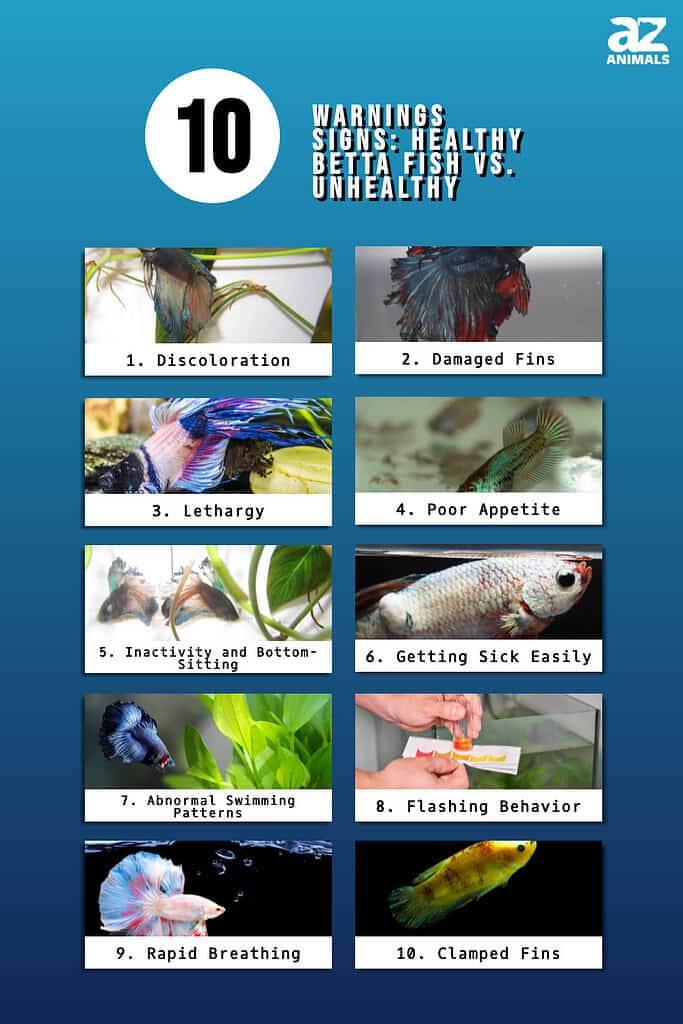
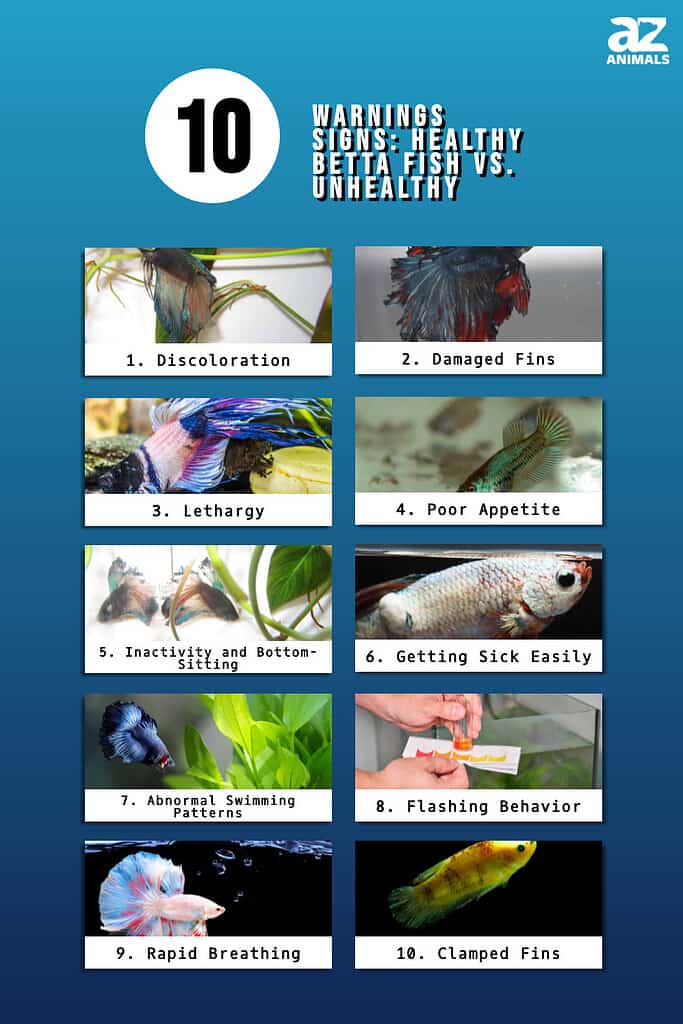
Color fading and pattern loss
One of the first visible signs of stress in a betta fish is often a loss of color. Bettas are known for their vibrant hues, and a sudden fading or dulling of these colors can be a clear indication that something is amiss. This isn't the same as the natural color fluctuations they experience during sleep or temperature changes. It’s a more sustained and noticeable reduction in overall vibrancy.
The physiological reason behind this is linked to cortisol, the stress hormone. When a betta is stressed, cortisol levels rise, which can suppress pigment cell activity. These cells, called chromatophores, are responsible for producing the colors we see. When their function is inhibited, the colors become muted. It’s a direct physical response to a negative environment.
My betta, Kai, turned a dull grey when I struggled with a tank cycle. It was a blunt reminder that water quality isn't just a suggestion—it's the difference between a blue fish and a grey one.
Lethargy and reduced activity
A normally active betta becoming sluggish is a major cause for concern. While bettas do have their resting periods, a significant decrease in activity levels, coupled with a lack of responsiveness, is a red flag. This isn’t just about them being less energetic; it’s about a noticeable change in their overall demeanor.
Lethargy is more than just resting. A healthy betta moves through different levels of the tank. If yours is pinned to the bottom or tucked in a corner for hours, even when you tap the glass or offer food, he's likely stressed.
The Nerdy Fish Girl on YouTube has a fantastic video discussing betta fish behaviors you shouldn’t ignore (uploaded December 14, 2025). She points out many behaviors that are often misinterpreted as illness, but it’s equally important to recognize when a change in activity is a legitimate concern. Staying still at the bottom, especially if combined with other symptoms, is rarely a good sign.
Betta Stress Signals: Can You Read Your Fish?
Betta fish are known for their vibrant colors and personalities, but they can be sensitive to their environment. Recognizing stress signals is crucial for ensuring their wellbeing. This quiz will test your knowledge of common betta behaviors and whether they indicate a stressed fish. Let's see how well you can read your betta!
Fin clamping and erratic swimming
Fin clamping is when a betta holds his fins close to his body, rather than displaying them fully. It’s a clear sign of stress or poor water quality. It’s different from a betta simply resting his fins – in those cases, the fins will still be somewhat extended. Clamped fins look almost glued to the body, and the fish may appear smaller than usual.
Erratic swimming patterns, such as darting around the tank, flashing against objects, or rubbing against the substrate, can also indicate stress. These behaviors might suggest irritation, discomfort, or even a parasitic infection. It is important to note that these behaviors can sometimes mimic the symptoms of illness, making diagnosis tricky.
I don't know the exact science behind the darting, but it usually comes down to skin irritation or poor water. Don't assume he's just being 'playful' if he's slamming into the gravel.
Appetite loss and feeding issues
A sudden loss of appetite is a strong indicator that something is wrong with your betta. Bettas are generally enthusiastic eaters, and a refusal to eat, especially for more than 24 hours, should be taken seriously. This is often one of the first signs that a fish is feeling unwell or stressed.
It's important to differentiate between a picky eater and a stressed fish refusing food. Some bettas can be finicky, but they will usually accept a different type of food. A stressed fish will typically reject all food offerings, even their favorites. Try offering bloodworms, daphnia, or a high-quality pellet food to stimulate their interest.
My betta Finn went on a hunger strike after a heater failure caused a temperature swing. If your fish refuses food for more than two days, check your ammonia and temp immediately.
Bubble nest building changes
For male bettas, changes in bubble nest building can be a telling sign of stress or discomfort. A decrease in bubble nest building, or a complete cessation of the behavior, can indicate that the fish is not feeling secure or comfortable in his environment. However, it’s also important to remember that bubble nest building isn’t constant.
Bubble nest building is influenced by a variety of factors, including water parameters, temperature, comfort level, and the presence of females (or perceived females). A male betta may stop building a bubble nest during periods of stress, illness, or if he feels threatened. Changes should be viewed in context.
Bubble nests aren't a constant. Some males build them every week, others only once a month. If the nest building stops, look at it alongside his appetite and color before panicking.
Tank setup and water quality
Many stressors can be eliminated by focusing on proper tank setup and water quality. A minimum tank size of 5 gallons is non-negotiable for a single betta. Smaller tanks are difficult to maintain stable water parameters, leading to chronic stress. Larger is always better, if you can accommodate it.
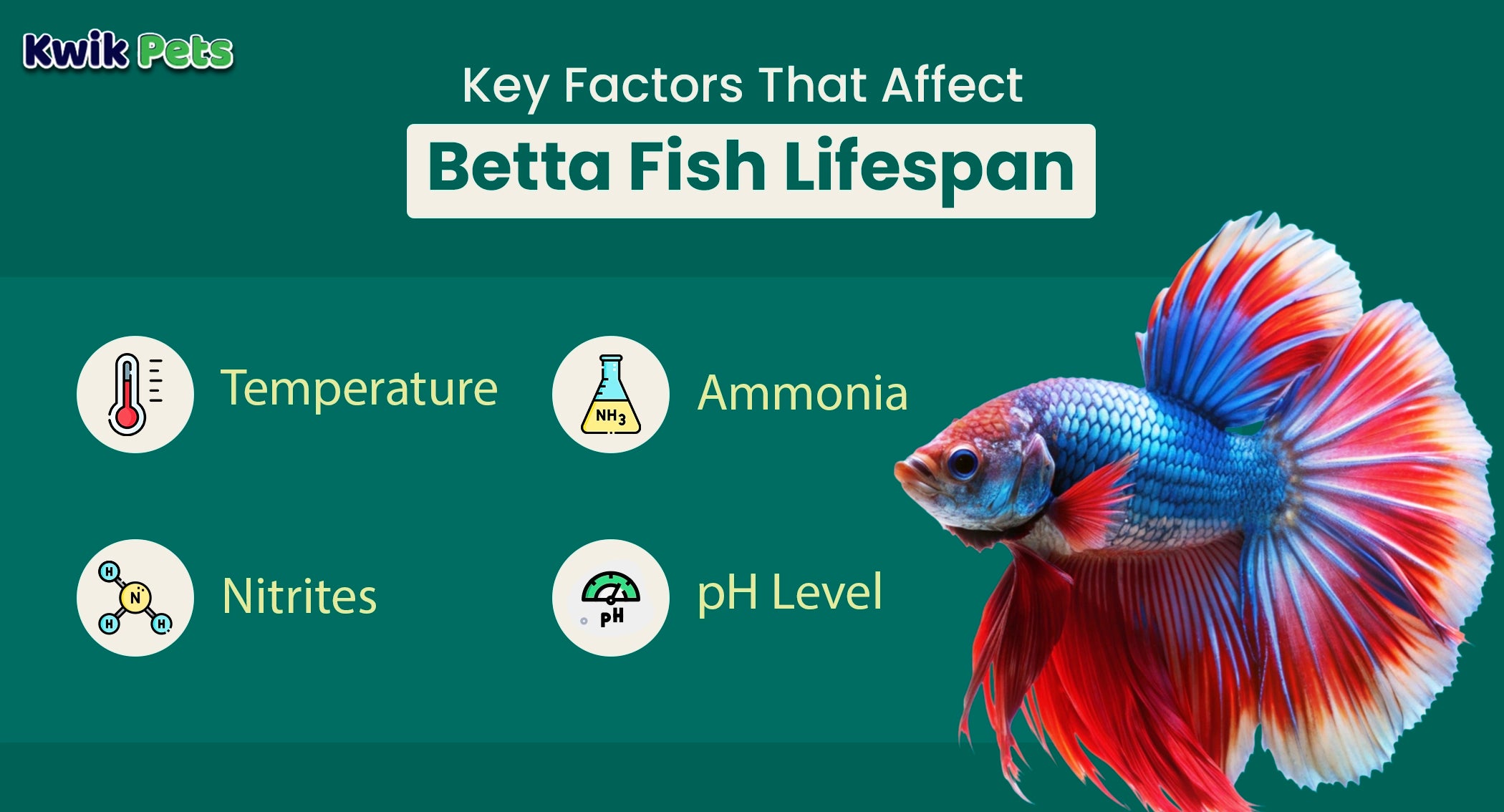
Maintaining optimal water parameters is crucial. The water temperature should be between 78-82°F (25-28°C), the pH should be between 6.5 and 7.5, and ammonia and nitrite levels should be at zero. Regular water changes (25-50% weekly) are essential for removing waste and maintaining water quality. A filter is also necessary to establish a beneficial bacteria colony.
Providing plenty of hiding places is also important. Bettas need to feel secure, and having plants (live or silk) and decorations gives them somewhere to retreat when they feel threatened. Avoid sharp decorations that could tear their delicate fins, and ensure the current isn't too strong. A heater and filter are not optional; they are essential for maintaining a healthy environment.
No comments yet. Be the first to share your thoughts!