

Budget-Friendly Betta Setup
A healthy betta doesn’t require a massive investment, but you cannot cut corners on the essentials. The tank itself is the largest upfront cost, while filtration and heating are ongoing necessities that protect your fish’s life. A 5-gallon tank is the minimum standard; smaller bowls trap heat and waste, creating a toxic environment that shortens lifespan.
Start with a reliable heater. Bettas are tropical fish that thrive between 78°F and 80°F (25–27°C). Without stable warmth, their immune systems weaken, making them susceptible to common diseases like ich. A submersible aquarium heater with an adjustable thermostat is non-negotiable for long-term health. Pair this with a simple sponge filter to provide gentle water circulation without creating dangerous currents that stress the fish.
Substrate and decor add character but also impact maintenance. Fine gravel helps anchor live plants, which improve water quality by absorbing nitrates. Avoid sharp plastics that can tear delicate betta fins. A dark substrate also enhances the vibrancy of their colors, making the tank visually striking while supporting a natural biological cycle.
Essential Equipment
These items form the core of a budget-conscious, healthy setup. Prices vary by brand, but investing in quality here prevents costly vet bills or fish loss later.
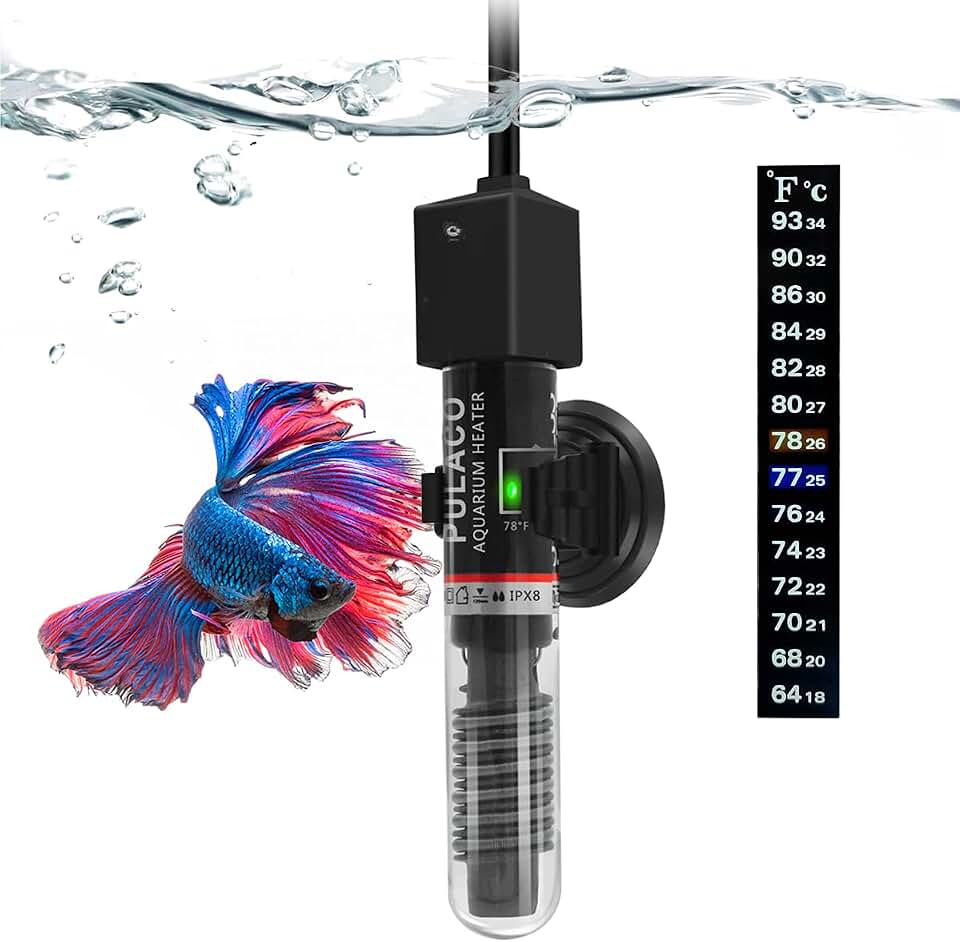
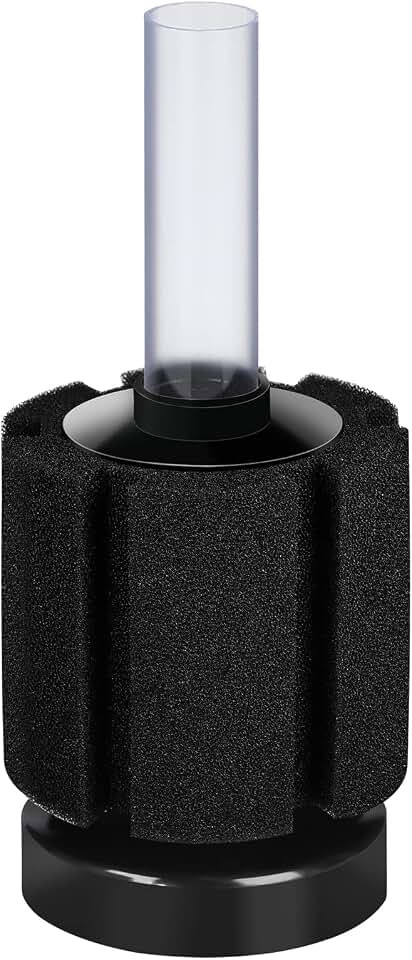

As an Amazon Associate, we may earn from qualifying purchases.
The test kit is often overlooked but vital. Tap water contains chlorine and ammonia that are lethal to bettas. A dechlorinator is cheap and essential, but testing ensures your water parameters remain stable. Regular water changes (25% weekly) remove waste, but testing tells you if you need to adjust filtration or feeding. This small habit catches problems before they become fatal.
Common Mistakes to Avoid
Many beginners buy the cheapest tank available, only to find their betta lethargic or sick within weeks. A 2.5-gallon tank is not a budget solution; it is a health hazard. The small volume fluctuates wildly in temperature and toxin levels, stressing the fish. Similarly, skipping a heater because "the room is warm" is risky. Indoor temperatures drop at night, causing stress that suppresses the immune system.
Another frequent error is overfeeding. Bettas have small stomachs, but they will gorge if food is available. Uneaten food rots, spiking ammonia levels. Feed 2-3 pellets once or twice daily, and include frozen or live foods like brine shrimp for variety. This balanced approach keeps your betta active and colorful without compromising water quality.
Shortlist real options
Choosing the right setup depends on your space and budget. Bettas are tropical fish that thrive in warm water, so the tank size and heating method are the first decisions you’ll make.
The table below compares the most common tank types. Each option has trade-offs regarding space, maintenance, and fish comfort.
| Tank Type | Minimum Size | Pros | Cons |
|---|---|---|---|
| Bowl | 1-2 gallons | Low initial cost, small footprint | Poor oxygenation, unstable temperature, not recommended for long-term health |
| Standard Aquarium (10 gal) | 10 gallons | Stable water parameters, room for swimming, easy to maintain | Requires more space, higher upfront cost for filter/heater |
| Nano Tank (5 gal) | 5 gallons | Compact, fits on desks, easier water changes than larger tanks | Water parameters can fluctuate quickly, limited decor space |
| Betta Kingdom (5-10 gal) | 5-10 gallons | Designed specifically for bettas, includes appropriate filter flow | Less versatile for other fish or plants |
A 10-gallon tank is widely considered the sweet spot for betta care. It provides enough water volume to dilute waste and maintain stable temperatures, which is critical for tropical fish. While bowls are popular in retail stores, they lack the surface area needed for proper oxygen exchange and rarely hold enough water to keep ammonia levels safe.
If space is limited, a 5-gallon tank is the absolute minimum. Anything smaller, such as a 1-gallon bowl, leads to rapid toxin buildup and stress. Bettas need a heated environment between 76–81°F (24–27°C) to support their digestion and immune system. A small submersible heater is essential, regardless of tank size.
Inspect the expensive parts
Betta fish are hardy, but a few specific components can fail silently and cost you your fish’s life. Instead of guessing, check these four expensive failure points before you commit to a setup.
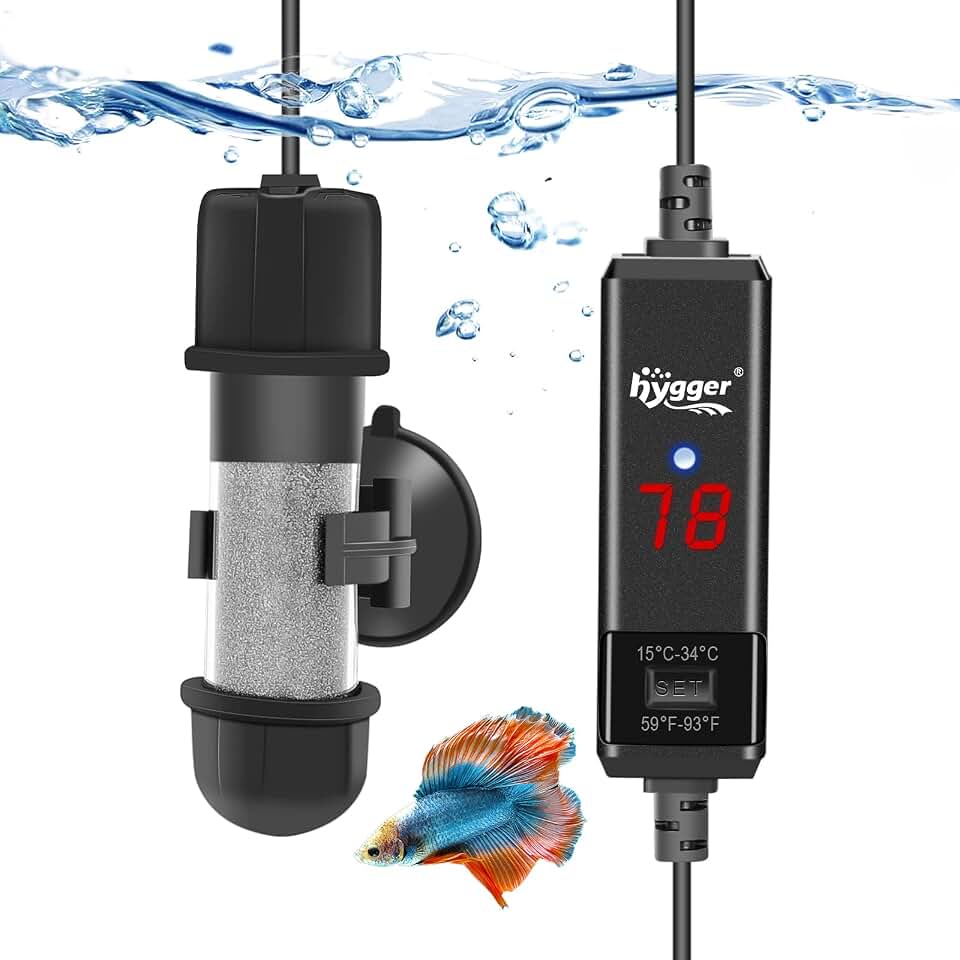
Bettas are tropical fish that need a steady 78–80°F. Cheap submersible heaters often drift or break. Buy a separate glass thermometer to cross-check the heater’s dial. If the heater is more than 10% of your tank’s cost, consider upgrading to a higher-quality brand.
Bettas have long fins that get tangled in strong currents. Ensure your filter’s output is gentle or has an adjustment valve. A sponge filter is often safer for bettas than powerful canister filters, which can create too much turbulence for a slow swimmer.
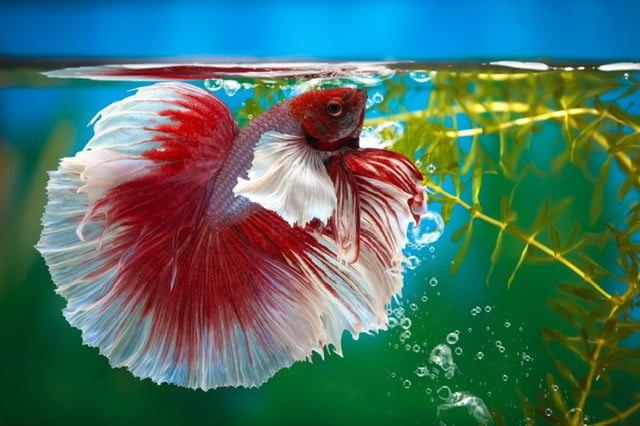
Tap water contains chlorine and chloramines that burn a betta’s gills. Never add tap water directly to the tank. Always use a water conditioner that neutralizes these chemicals before adding water. This is a low-cost step that prevents immediate toxicity.
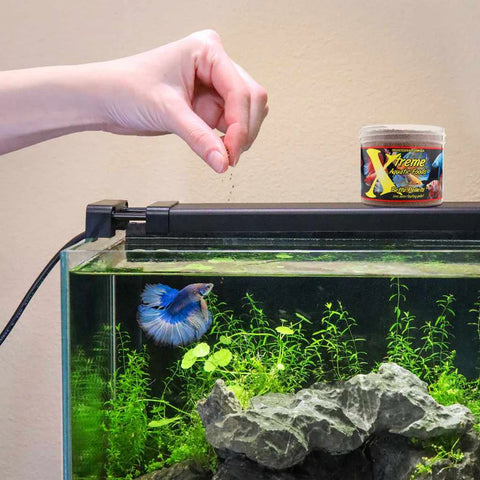
Sharp gravel can tear delicate betta fins. Use smooth sand or rounded gravel with no jagged edges. If you use decorations, check that they have no rough spots or sharp plastic burrs that could snag their flowing tails.
Plan for ownership costs
A $5 betta fish often masks the real expense of keeping it alive. The tank itself is just the entry fee. You need a heater to maintain 78–80°F, a reliable thermometer to verify the temperature, and a filter that won’t create a current too strong for the fish’s long fins. Without these basics, the fish becomes stressed and susceptible to disease, turning a cheap hobby into a cycle of vet bills and replacements.
Maintenance adds up quickly. Water conditioner, test strips, and high-quality pellets are recurring costs. Many beginners underestimate how often water changes are needed—usually 25% weekly for a small tank—to keep ammonia and nitrites low. Skipping these steps leads to cloudy water and sick fish, which defeats the purpose of saving money upfront.
When a cheap buy stops being cheap is usually when the equipment fails. A $10 heater that burns out can cook your fish in minutes. A flimsy filter that clogs in a week creates toxic conditions. Investing in reliable, mid-range gear from the start prevents these surprises. Look for components with consistent reviews rather than the absolute lowest price.


As an Amazon Associate, we may earn from qualifying purchases.
The initial setup cost typically ranges from $50 to $100 for a complete, safe system. This includes the tank, heater, filter, substrate, and decorations. While you can skimp on decor, never skimp on the heater or filtration. These are the non-negotiables that keep the water stable and the fish healthy, protecting your initial investment.
Betta fish care: what to check next
Bettas are often sold in small, unheated bowls, but their care requirements are more specific than their packaging suggests. Understanding the basics of water quality, temperature, and tank size is the difference between a fish that survives and one that thrives.
No comments yet. Be the first to share your thoughts!