
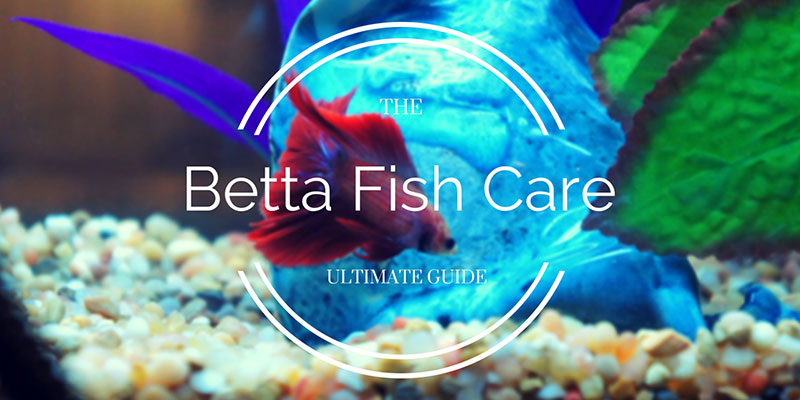

Essential betta fish tank setup
Betta Fish Care works best as a sequence, not a scramble through settings. Do the minimum first: confirm compatibility, connect the core hardware, update only when needed, and test the result before adding optional features. That order keeps the task understandable and makes failures easier to isolate. After each step, pause long enough for the interface to finish syncing. Many setup problems are timing problems disguised as configuration problems. If the same step fails twice, record the exact error, restart the smallest affected piece, and retry before moving deeper.
The simplest way to use this section is to keep the setup small, verify each change, and record the stable configuration before adding optional accessories.
Best betta fish supplies for beginners
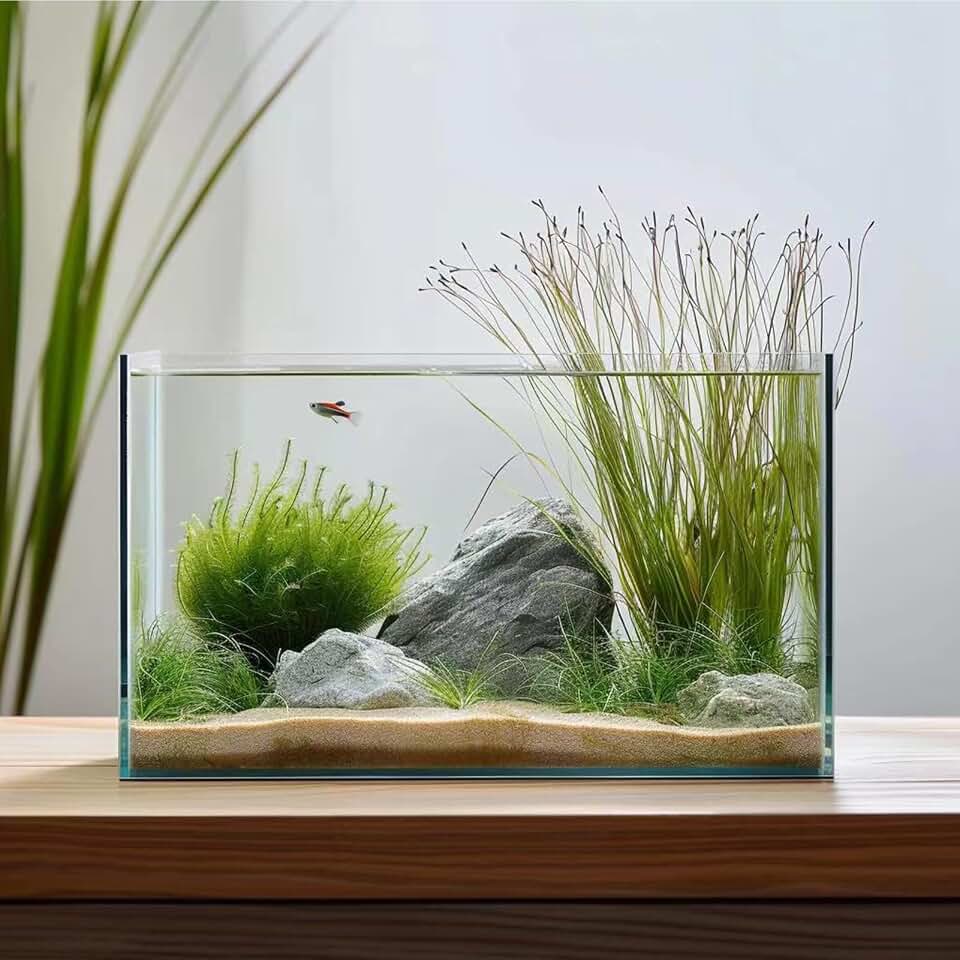
Setting up a proper tank is the foundation of betta fish care. You need the right hardware to maintain stable water parameters and keep your fish healthy. The following items are the essential starting point for any beginner.


As an Amazon Associate, we may earn from qualifying purchases.
A 5-gallon tank provides enough volume to stabilize water temperature and dilute waste. Bettas are tropical fish, so a reliable heater is non-negotiable to keep the water between 76-80°F. Choose a filter with low flow or a sponge filter, as bettas have long fins that struggle in strong currents. Finally, feed high-quality pellets once daily, removing any uneaten food after two minutes to keep the water clean.
Daily Feeding and Weekly Water Changes
Consistent maintenance is the backbone of proper betta fish care. A simple routine of daily feeding and weekly water changes keeps water parameters stable and prevents the buildup of harmful ammonia. Bettas are sensitive to poor water quality, so sticking to a schedule protects their health and extends their lifespan.
Feed Once Daily
Bettas have small stomachs and a tendency to overeat. Feed your betta once a day, offering only what they can consume in one to two minutes. This amount varies slightly depending on the food type, but it should never exceed the size of their eye.
Uneaten food sinks and decays, quickly fouling the water. Remove any leftovers with a siphon or net after feeding. This practice not only keeps the tank clean but also ensures your betta receives a balanced diet without the risk of bloating or constipation, which are common issues in captive bettas.
Perform Weekly Water Changes
Change 20–30% of the tank water every week. Partial water changes are less stressful for bettas than full tank cleans. Use a gravel vacuum to remove debris from the substrate while siphoning out the old water. Always treat new water with a dechlorinator before adding it to the tank, as chlorine and chloramines are toxic to fish.
Test the water monthly to check ammonia, nitrite, and nitrate levels. Stable parameters indicate your routine is working. If you notice algae blooms or cloudy water, increase the frequency of water changes slightly until the tank clears. Consistency is more important than volume; regular, moderate changes maintain a healthier environment than sporadic, large changes.
Maintenance Checklist
Keep a log of your maintenance schedule to stay on track. A simple checklist helps ensure no step is missed during your weekly routine.
-
Remove uneaten food after feeding
-
Test water parameters monthly
-
Clean algae from glass and decorations
-
Check heater and filter function
-
Record water change dates and volumes
Betta Lifespan and Care
A healthy betta fish typically lives between 3 and 5 years. This lifespan is not guaranteed by genetics alone; it depends heavily on the stability of your tank environment. Bettas are tropical fish that require consistent warmth to maintain their metabolism and immune function. Keeping the aquarium between 76–81°F is essential for their long-term health. Sudden temperature fluctuations can stress the fish, shortening its life expectancy significantly.
Water quality is the single most important factor in betta longevity. Ammonia and nitrite spikes are toxic and can cause internal damage that leads to premature death. Regular water changes and a reliable filtration system prevent these toxins from accumulating. A cycled tank with stable parameters allows the betta to thrive rather than just survive.
Stress also plays a major role in how long your betta lives. Overcrowding, aggressive tank mates, or poor lighting can keep the fish in a constant state of alert. Providing a peaceful, well-decorated environment with hiding spots reduces this stress. When bettas feel secure, their bodies can focus energy on growth and health rather than defense.
Wild betta types and varieties
Choosing between wild-type bettas and domesticated varieties depends on your experience level and aesthetic goals. Wild bettas, such as Betta splendens from the wild, display natural camouflage colors like olive, brown, and muted blue. These fish are hardier and more resilient, making them ideal for beginners who want a low-maintenance pet. Their vibrant, unnatural colors are the result of selective breeding, so wild types offer a more authentic look but less visual impact.
Domesticated bettas, often called fancy bettas, have been bred for specific traits like large fins, metallic scales, and bright reds, blues, or whites. These varieties are stunning but can be more delicate. They require stable water parameters and careful handling. If you are new to Betta Fish Care, starting with a domesticated variety can be rewarding, but be prepared for slightly more attentive maintenance.
To help you compare these options, here is a breakdown of their key differences:
| Trait | Wild Type | Domesticated |
|---|---|---|
| Color | Natural camouflage (olive, brown, muted blue) | Bright reds, blues, whites, metallics |
| Hardiness | High; resilient to minor water fluctuations | Moderate; sensitive to water quality |
| Fin Type | Shorter, more practical for swimming | Large, flowing fins (veiltail, halfmoon, crown tail) |
| Best For | Beginners, naturalistic tanks, hardiness | Aesthetic display, experienced hobbyists |
No comments yet. Be the first to share your thoughts!