

Start with the right tank size
Many beginners make the mistake of keeping bettas in small bowls or nano tanks under one gallon. This is a common error that leads to poor water quality and stressed fish. For proper Betta Fish Care, you need a stable environment where waste doesn't accumulate instantly.
The absolute minimum tank size is 2.5 gallons, though 5 gallons is the ideal standard. A larger volume of water dilutes toxins like ammonia and nitrite more effectively, giving you a wider margin for error between water changes. Stability is the primary goal; small volumes fluctuate wildly in temperature and chemistry.
Filtration is equally critical. Bettas prefer calm water, so avoid strong currents that stress them out. Look for a sponge filter or a hang-on-back filter with a flow adjuster. The filter should cycle the water gently without creating a whirlpool effect. Coupled with a submersible heater set to 78–80°F, these two components form the foundation of a healthy setup.
Set up the heater and filter
Bettas are tropical fish that rely on stable, warm water to maintain their metabolism and immune function. Because they cannot generate their own body heat, a consistent temperature is non-negotiable for long-term health. Pair this with gentle filtration to keep the water clean without stressing the fish.
Place a submersible aquarium heater in the tank, positioning it near the back corner where it is less visible. Secure it vertically or at a slight angle as recommended by the manufacturer. Ensure the heater is fully submerged before plugging it in to prevent overheating and breakage.
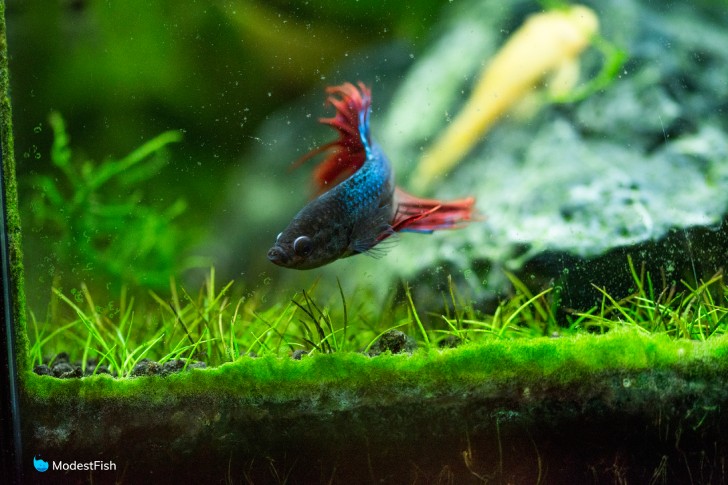
Adjust the heater dial to maintain a water temperature between 78°F and 80°F (25–27°C). This range mimics their natural habitat in Southeast Asian rice paddies. Use a separate aquarium thermometer to verify the actual water temperature, as heater dials can sometimes be inaccurate.
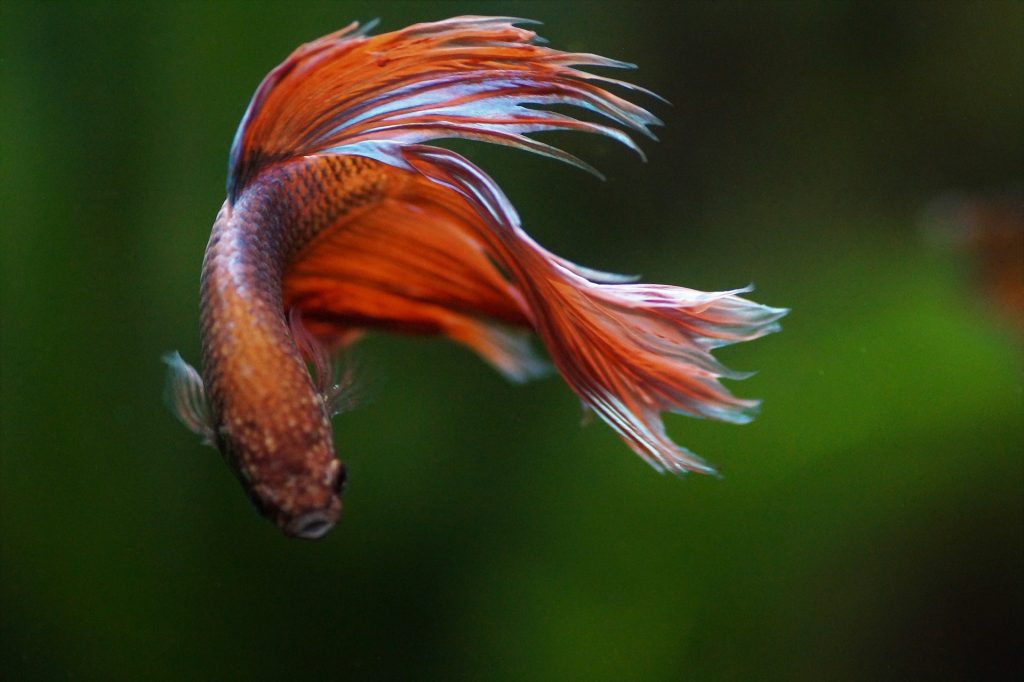
Bettas prefer calm water, so use a sponge filter powered by an air pump or adjust a standard filter’s output. If using a power filter, point the outflow toward the tank wall to break the current. The water surface should show only slight movement, allowing the betta to breathe air at the surface without effort.
Cycle the tank before adding fish
Cycling your tank is the most critical step in Betta Fish Care because it establishes the biological filtration necessary to keep your pet safe. Without a mature colony of beneficial bacteria, ammonia from waste and uneaten food will accumulate rapidly. This chemical buildup is toxic and is a leading cause of early betta death, often referred to as "new tank syndrome."
The process relies on the nitrogen cycle, where bacteria convert harmful ammonia into nitrite, and then into less harmful nitrate. Since these bacteria grow slowly, you cannot rush the process by simply adding fish to clean water. You must provide a source of ammonia for the bacteria to colonize on your filter media and substrate.
How to cycle the tank
- Set up the hardware: Install your filter, heater, and substrate. Fill the tank with dechlorinated water and set the heater to 78°F (25.5°C) to encourage bacterial growth.
- Add an ammonia source: Introduce a pure ammonia source or a few hardy fish (like zebra danios, though many prefer fishless cycling to avoid stress). Add ammonia until the test kit reads 2–4 ppm.
- Test daily: Use a liquid test kit to monitor levels. You will see ammonia spike first, then drop as nitrite rises. Once nitrite appears, wait for it to drop as nitrate levels begin to rise.
- Complete the cycle: The cycle is finished when you can add ammonia and see both nitrite and nitrate within 24–48 hours, with ammonia and nitrite levels at zero.
Why test kits are non-negotiable
Visual inspection cannot detect toxic chemical levels. You must use a liquid test kit (such as API Freshwater Master Test Kit) to verify that ammonia and nitrite are at 0 ppm before introducing your betta. Relying on cloudiness or fish behavior as indicators is dangerous, as symptoms often appear only after damage has occurred.
Once the cycle is complete, perform a 50% water change to lower nitrate levels before adding your betta. This ensures the water is chemically stable and ready to support the fish’s health long-term.
Feed your betta correctly
A consistent feeding routine is the foundation of proper Betta Fish Care. Bettas are carnivorous and have small stomachs, making them prone to bloating and constipation if overfed. The goal is to provide enough nutrition without leaving waste in the water.
The Daily Schedule
Feed your betta two small meals a day, ideally in the morning and early evening. For standard pellets, offer only two to three pellets per meal. If you are using frozen or live foods like bloodworms or brine shrimp, provide about three to five small pieces. The food should be consumed within two minutes; any leftovers indicate you have given too much.
Diet Composition
High-quality betta pellets should make up the bulk of the diet, as they are formulated with the right protein levels. Supplement this with frozen foods 1-2 times a week to add variety and encourage natural hunting behaviors. Avoid flake foods, which often contain fillers and can cloud the water as they dissolve.
The Weekly Fast
Once a week, skip feeding entirely. A fasting day allows the betta’s digestive system to clear out, preventing constipation and maintaining a healthy swim bladder. This simple practice is one of the most effective ways to ensure long-term health.
-
Feed 2-3 pellets in the morning
-
Feed 2-3 pellets in the evening
-
Skip feeding one day per week
Troubleshooting Feeding Issues
If your betta ignores food, check the water temperature first. Bettas do best between 78°F and 80°F (25-27°C). Cold water slows their metabolism, reducing their appetite. If the water is warm but the fish still refuses food, try soaking dry pellets in tank water for a minute to soften them, making them easier to swallow.
Perform weekly water changes
Consistent water changes are the backbone of effective Betta Fish Care. Even in a well-filtered tank, nitrates and dissolved organics accumulate over time. Without regular removal, these toxins stress your betta, suppress its immune system, and shorten its lifespan. A weekly partial water change keeps the environment stable and clean.
1. Prepare treated water
Before touching the tank, prepare fresh water. Fill a clean bucket with tap water and add a quality water conditioner to neutralize chlorine and chloramines. Bettas thrive between 78°F and 80°F. Use a thermometer to ensure the new water matches the tank temperature within two degrees. Sudden temperature swings can cause shock and illness.
2. Remove old water
Use a gravel vacuum or siphon hose to remove 25–30% of the tank water. Gently run the vacuum over the substrate to lift out fish waste and uneaten food trapped in the gravel. Avoid disturbing the plants or decorations too aggressively. If your tank has live plants, be careful not to uproot them. Empty the siphoned water into a waste bucket, not down a sink where it might contaminate other plumbing.
3. Clean glass and refill
Wipe the inside of the glass with an algae scraper or soft sponge to remove visible algae. This improves visibility and light penetration for plants. Refill the tank slowly with the prepared, conditioned water. Pour it over a plate or saucer placed on the substrate to disperse the flow and prevent disturbing the gravel bed. Monitor the water parameters after the change to ensure stability.
Read betta behavior cues
Your betta fish cannot speak, so you must learn to read their body language to ensure their health and happiness. In the context of Betta Fish Care, recognizing subtle shifts in behavior is the most effective way to catch illness or stress early. A sudden change in activity, appetite, or posture often signals that something is wrong with the tank environment or the fish itself.
Flaring and Aggression
Flaring involves expanding the gills and spreading the fins to appear larger. This is a natural display of dominance, especially in males. If your betta flares at its reflection in the glass or at other fish in the tank, it is asserting territory. Occasional flaring is normal, but constant aggression suggests the tank is too small or there are too many rivals. If you see persistent flaring, consider adding a mirror for short, supervised play sessions to let off steam, or rearrange the tank decor to break line of sight.
Hiding and Lethargy
While bettas are known for resting on leaves or near the surface, excessive hiding can indicate fear or illness. If a fish that was previously active suddenly stays at the bottom of the tank or hides inside decorations, check for signs of disease like white spots or fin rot. Stress from poor water quality or loud noises can also cause this behavior. Ensure the tank has plenty of hiding spots like plants or caves, but monitor if the fish emerges to eat. If they refuse food while hiding, it is a strong sign of sickness.
Fin Nipping and Clamped Fins
Fin nipping is when a betta bites the fins of other fish, or other fish nip at the betta. This often happens in community tanks with incompatible species. If you see frayed fins or missing pieces, separate the fish immediately to prevent infection. Clamped fins—where the fins are held tight against the body rather than spread out—are another sign of stress or poor water conditions. This is not a display of aggression but of discomfort. Test your water parameters immediately and perform a partial water change to improve conditions.
Erratic Swimming
Rapid darting, spinning, or gasping at the surface are red flags. Gasping often points to low oxygen levels or high ammonia. If the fish is rubbing against gravel or decorations, it may have parasites like ich. Observe the fish closely for a few minutes to confirm the pattern. If erratic behavior persists, isolate the fish in a hospital tank if possible, and treat for parasites or adjust water chemistry as needed.
Common betta care: what to check next
Addressing frequent betta fish care questions helps clarify the balance between simplicity and specific environmental needs. While bettas are hardy, their tropical nature requires consistent attention to water temperature and quality.
No comments yet. Be the first to share your thoughts!