

Start with a 5-gallon minimum tank
Most pet stores still sell bettas in small bowls, but this setup is a recipe for poor health. While bettas are labyrinth fish and can breathe air, they still need water to filter out ammonia and maintain stable chemistry. A bowl holds so little water that waste builds up instantly, forcing you to perform dangerous water changes every single day just to keep the fish alive.
The 5-gallon tank is the non-negotiable baseline for a healthy betta. This volume provides enough water mass to buffer temperature swings and dilute toxins, giving you a margin of error that small containers simply cannot offer. Think of it as the difference between a thimble and a swimming pool: the larger volume allows the biological filter to work effectively without collapsing under the weight of waste.
Setting up this size tank changes the entire dynamic of care. You can install a proper heater to keep the water between 75°F and 80°F, which is critical for their digestion and immune system. You can also add a low-flow filter to keep the water clear without creating a current that exhausts the fish. This stable environment reduces stress, allowing your betta to display vibrant colors and active behavior rather than hiding in fear.
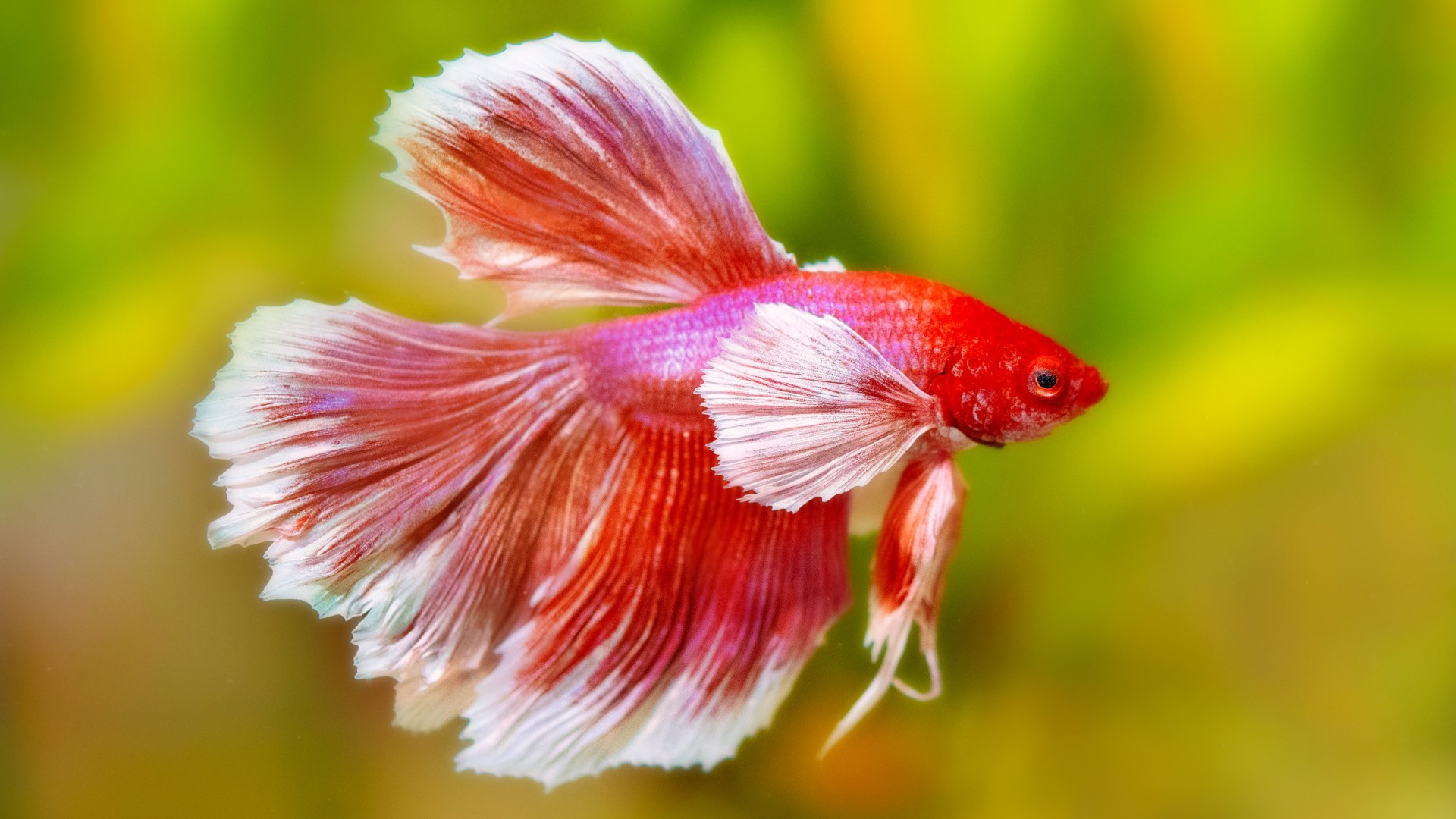
Starting with this minimum size is an investment in longevity. A betta in a 5-gallon tank is far more likely to live its full potential lifespan of two to four years. In a bowl, stress and poor water quality often cut that short significantly. By choosing the right volume from day one, you set the foundation for a calm, healthy, and long-lasting relationship with your pet.
Install a gentle filter and adjustable heater
A betta fish needs stable water conditions to thrive. The two most important pieces of hardware for a 5-gallon tank are a gentle filter and an adjustable heater. These tools work together to maintain the tropical environment your betta requires, preventing stress and illness.
Choose a gentle filter
Bettas have long, flowing fins that make them poor swimmers against strong currents. A powerful filter can exhaust them, causing stress that weakens their immune system. Instead, select a filter with a low flow rate or an adjustable output.
Sponge filters are an excellent choice for betta tanks. They provide gentle water movement through air bubbles, which also helps with gas exchange at the surface. If you prefer a hang-on-back filter, look for one with a flow control valve. This allows you to reduce the current to a trickle, mimicking the slow-moving waters of their natural habitat.
Set up an adjustable heater
Bettas are tropical fish and cannot survive in cold water. They require a consistent temperature between 76°F and 80°F (24°C–27°C). Without a heater, your betta’s metabolism will slow down, making them lethargic and prone to disease.
Use an adjustable submersible heater. The adjustable dial lets you set the exact temperature your tank needs. Always pair your heater with an aquarium thermometer to verify the water stays within the safe range. Place the heater near the filter output to ensure even heat distribution throughout the 5-gallon volume.
Cycle the tank before adding your fish
Skipping the nitrogen cycle is the most common mistake new betta owners make. This biological process establishes the beneficial bacteria needed to break down waste. Without it, ammonia builds up rapidly, leading to poisoning and death. Cycling ensures your 5-gallon minimum tank is a safe, stable environment before you introduce your fish.
Add a source of ammonia
Beneficial bacteria need food to colonize the filter and substrate. Since you cannot use fish waste during this phase, you must add an artificial ammonia source. Pour a small amount of pure ammonia or use fish food to feed the developing colony. This simulates the waste your betta will eventually produce.
Test the water daily
Use a liquid test kit to monitor ammonia, nitrite, and nitrate levels every 24 to 48 hours. Liquid tests are significantly more accurate than strip tests for tracking these critical parameters. Record your results to track the progress of the bacterial bloom. You are looking for the ammonia to spike and then drop back to zero.
Wait for zero ammonia and nitrite
The cycle is complete only when both ammonia and nitrite levels read 0 ppm. At this stage, nitrate levels will begin to rise, indicating that the bacteria have successfully converted the toxic compounds. This process typically takes two to six weeks. Patience here prevents future health crises for your betta.
Fill your 5-gallon tank with dechlorinated water and set up the filter and heater. Run the equipment for 24 hours to ensure everything functions correctly before starting the cycle.
Add a measured dose of pure ammonia or drop in a piece of fish food. This provides the nitrogen source that beneficial bacteria need to grow in the filter media.

Test the water daily for ammonia, nitrite, and nitrate using a reliable liquid test kit. Record your readings to track the progression of the nitrogen cycle.
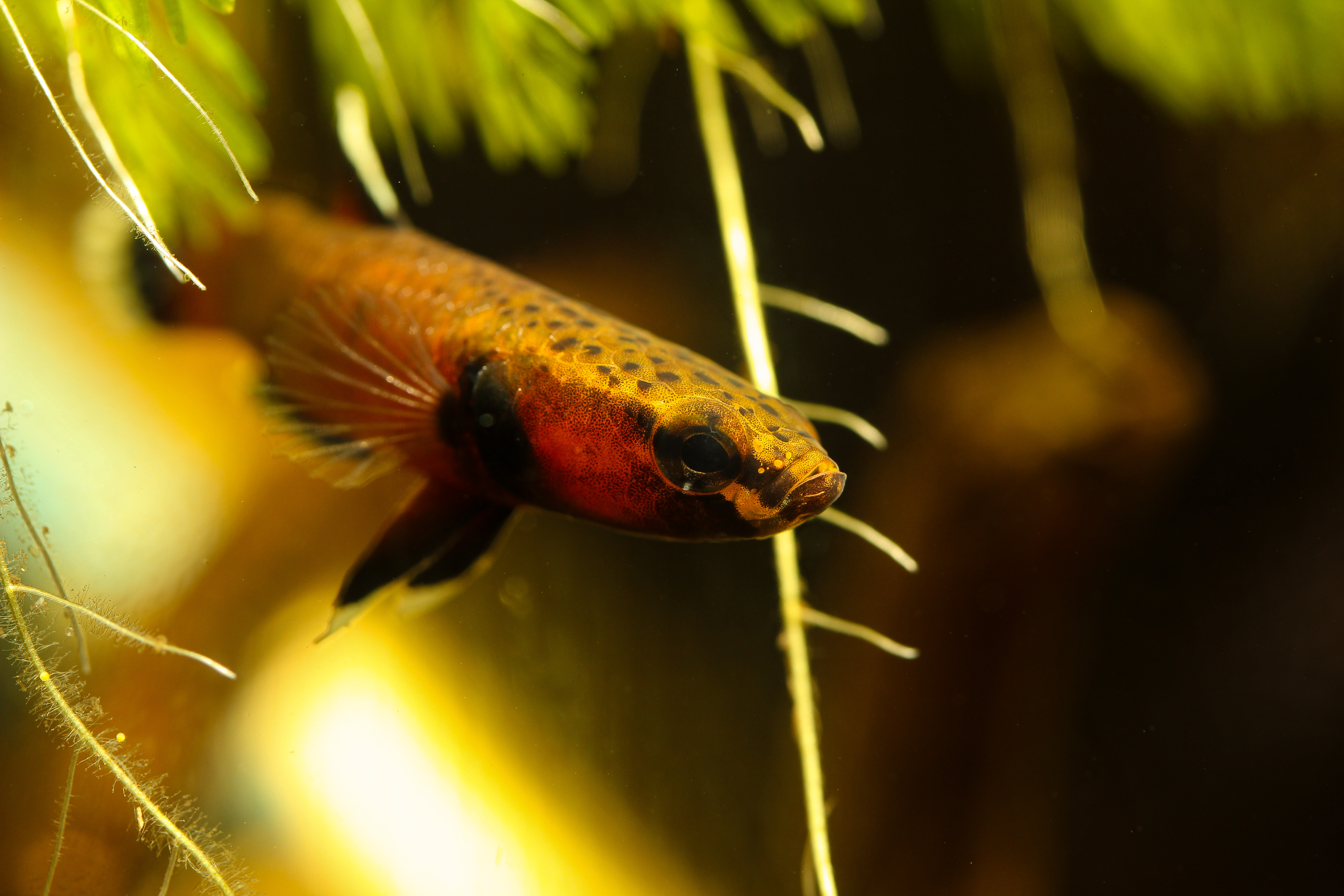
The tank is cycled when ammonia and nitrite both read 0 ppm. Once this happens, you can safely add your betta to the environment.
Add live plants and hiding spots
Bettas are labyrinth fish that evolved in shallow, slow-moving waters filled with vegetation. In the wild, they rest among plant leaves and dart into dense cover when threatened. Mimicking this environment in your 5-gallon minimum tank reduces stress and encourages natural behaviors like resting near the surface or exploring the substrate.
Choose plants that thrive in low-light aquarium conditions. Java fern, Anubias, and hornwort are excellent choices because they don't require expensive lighting or CO2 injection. Anchor these plants in the substrate or attach them to driftwood and rocks. Avoid plastic plants with sharp plastic leaves, which can tear delicate betta fins. Silk plants are a safe alternative if you prefer a cleaner look without the maintenance of live flora.
Create hiding spots using ceramic caves, half-log decorations, or dense plant clusters. Bettas need places to retreat where they feel secure. A simple clay pot turned on its side with a small opening works perfectly. Place these structures so the betta can swim through them easily, ensuring there is enough open space for swimming between decorations. This balance of cover and open water prevents the tank from feeling cluttered while providing essential security.
Ensure all decorations are smooth and free of rough edges. Test any new item by running your finger over it; if it snags your skin, it will likely snag your betta's fins. Regularly check plant health and trim overgrown leaves to maintain water flow and visibility. A well-planted tank not only looks beautiful but also helps absorb nitrates, contributing to a healthier water quality for your fish.
Feed high-quality pellets and vary the diet
Proper nutrition is the backbone of betta health, directly influencing their immune system and lifespan. A well-fed betta displays vibrant coloration and active swimming behavior, while poor diet often leads to lethargy and constipation. Start by selecting a premium, species-specific pellet that is rich in protein and low in fillers. Look for brands that list shrimp meal, fish meal, or krill as the first ingredient. Avoid generic "tropical fish" flakes, which often contain excessive plant matter that bettas cannot efficiently digest.
Establish a consistent feeding schedule to prevent overfeeding, which is the leading cause of water quality issues and digestive problems. Feed your betta two to three small pellets once or twice daily. The amount should be roughly what the fish can consume in two minutes. If you see uneaten food sinking to the bottom, you are feeding too much. Remove any leftovers with a net to keep the water clean. Remember that the 5-gallon minimum tank size is non-negotiable for health; it provides the stable water parameters necessary to process food efficiently, whereas smaller volumes become toxic rapidly after feeding.
To ensure a complete nutrient profile, vary their diet weekly. Supplement their pellet meals with frozen or live foods such as bloodworms, brine shrimp, or daphnia. These treats provide essential vitamins and stimulate natural hunting instincts. Offer these treats once or twice a week, replacing a regular pellet feeding. This variety prevents nutritional deficiencies and keeps your betta engaged. If you notice bloating or difficulty swimming, switch to fasting for one day and then resume feeding with a small amount of cooked, peeled pea to help clear their system.
Perform weekly water changes
Consistent maintenance is the backbone of a healthy betta tank. Even with a robust filter, waste accumulates in the water column and substrate, leading to toxic ammonia and nitrate spikes. Establishing a weekly routine prevents these buildup issues before they stress your fish, ensuring long-term stability.
Think of the water change as a reset button for your tank’s chemistry. It dilutes dissolved waste products that the biological filter cannot process alone. This simple task keeps the environment clean and oxygen-rich, which is critical for your betta’s gill health and energy levels.
The Weekly Maintenance Routine
Follow this sequence to perform a safe water change without shocking your fish or disrupting the beneficial bacteria colony.
- Test the water. Before starting, use a liquid test kit to check ammonia, nitrite, and nitrate levels. This baseline tells you if your current routine is working or if you need to adjust the frequency.
- Remove 20-25% of the water. Use a gravel vacuum or siphon to remove water from the bottom of the tank. This removes debris trapped in the substrate. Avoid cleaning the filter media during this step to preserve beneficial bacteria.
- Condition the new water. Tap water contains chlorine and chloramines that are harmful to fish. Always treat fresh water with a conditioner like Seachem Prime or API AquaSafe before adding it to the tank. These products neutralize toxins and add essential electrolytes.
- Refill slowly. Pour the conditioned water back into the tank gradually. A slow pour prevents sudden temperature or pH shifts, which can cause stress or shock. Aim for a temperature that matches the existing tank water (around 78-80°F).
Why the 5-Gallon Minimum Matters
The volume of your tank directly impacts how stable your water parameters remain. In tanks smaller than 5 gallons, waste concentrates rapidly, causing toxic levels to spike within days. This forces you into frantic, large water changes just to keep the fish alive.
A 5-gallon tank provides enough water volume to buffer these changes. It dilutes waste more effectively, giving you a wider margin of error and a more stable environment. This non-negotiable standard reduces the frequency of extreme interventions and supports the betta’s natural well-being.
-
Test water parameters (ammonia, nitrite, nitrate)
-
Siphon 20-25% of water from substrate
-
Treat new water with conditioner (e.g., Seachem Prime)
-
Refill slowly to match tank temperature
-
Wipe algae from glass with an algae pad
Watch for signs of stress or illness
Healthy bettas display bright, flowing fins and active swimming patterns. When a betta is unhappy, the behavior changes quickly. Clamped fins are often the first warning sign. Instead of spreading their fins wide, the fish holds them tight against their body. This posture conserves energy and indicates the fish is cold, stressed, or fighting an infection.
Physical symptoms are equally telling. Look for white spots resembling salt grains on the fins or body, which may signal ich. Ragged or torn fins suggest fin rot or aggression from tank mates. If the fish stays at the bottom, floats upside down, or gasps at the surface, water quality is likely the culprit. Ammonia or nitrite spikes can cause these respiratory distress signals.
Addressing these issues early prevents serious health declines. If you notice these red flags, test the water parameters immediately. Check the temperature to ensure it stays between 76-80°F (24-27°C). Sudden changes in water chemistry or temperature can trigger stress responses.
Maintaining a 5-gallon minimum tank size is non-negotiable for health. Smaller bowls lack stable water parameters, causing rapid toxin buildup that stresses the fish. A larger volume dilutes waste and provides a stable environment where bettas can swim naturally.
Regular observation is your best diagnostic tool. Spend a few minutes daily watching your betta swim. Note any changes in appetite, color, or movement. Early detection allows for simple fixes, such as a water change or temperature adjustment, before the condition worsens.
Common betta care mistakes to avoid
Most health issues in bettas stem from simple setup errors that are easy to fix once you know what to look for. By avoiding these specific pitfalls, you protect your fish’s lifespan and ensure the tank remains a stable environment.

Tap water contains chlorine and chloramines that damage betta gills immediately. Always use a water conditioner, such as Seachem Prime or API AquaSafe, to neutralize these toxins before adding water to the tank. Never skip this step, even when performing small water changes.

Small bowls lack the surface area needed for proper gas exchange and the volume to buffer temperature and chemical changes. A 5-gallon tank is the non-negotiable standard for betta health, providing enough space for stable parameters and natural swimming behavior.

Bettas are territorial and can be stressed by fin-nipping fish or overly active tank mates. If you choose to keep a community tank, select peaceful, slow-moving species like Corydoras catfish or neon tetras, and ensure the tank is large enough to provide hiding spots and visual barriers.

No comments yet. Be the first to share your thoughts!