

Choose the right tank size
The foundation of any successful Betta Fish Tank Setup begins with the tank itself. While pet store displays often feature bettas in tiny bowls, those environments are harmful. Bettas are tropical fish that require stable water conditions to thrive, and small volumes of water fluctuate rapidly in temperature and toxicity, leading to stress and disease.
For fancy varieties with long, flowing fins, a minimum of 5 gallons is the standard. Short-finned bettas, which swim more actively, benefit from at least 10 gallons. This volume provides enough surface area for gas exchange and enough mass to buffer against sudden chemical swings. Think of the tank as a biological buffer; the larger the water body, the more forgiving it is to beginner mistakes.
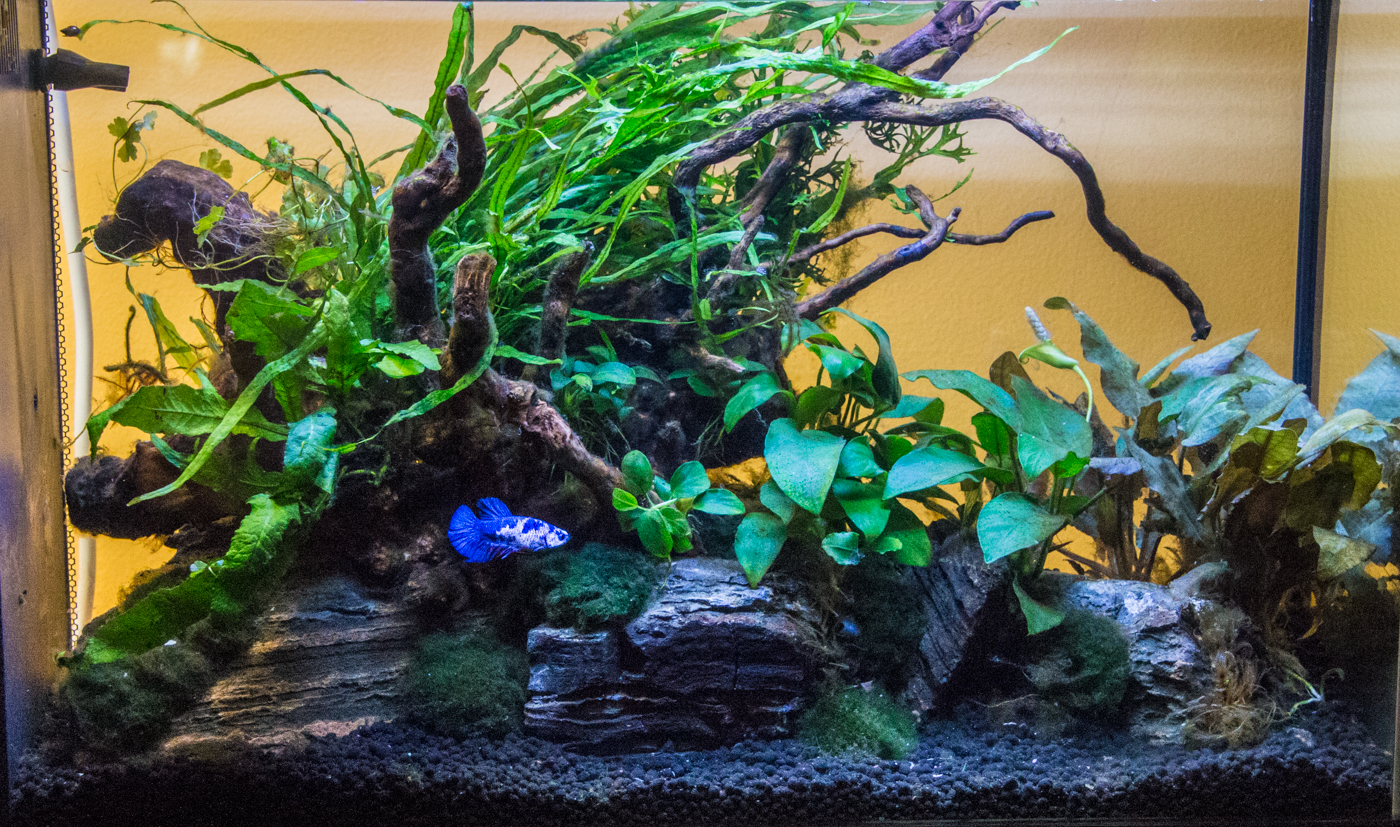
Avoid "vertical" or tall tanks. Bettas are labyrinth fish that breathe air from the surface, but they naturally inhabit shallow, slow-moving waters like rice paddies. They prefer horizontal swimming space over vertical height. A long, rectangular tank allows them to exhibit natural behaviors and reduces stress caused by cramped quarters.
Starting with the right size simplifies the rest of your Betta Fish Tank Setup. Larger tanks are easier to maintain because beneficial bacteria colonies have more room to grow, and water parameters remain stable between changes. This stability is what separates a thriving aquarium from a constant battle against ammonia spikes.
Install heater and filter correctly
A Betta Fish Tank Setup relies on two mechanical pillars: temperature control and water filtration. Bettas are tropical fish that require stable warmth, and they produce waste that clouds water and raises toxic ammonia levels. Skipping either component turns a tank into a health hazard rather than a home.
Mount the submersible heater
Place a submersible aquarium heater inside the tank, ideally near the filter output where water flow will distribute heat evenly. Submerge the unit completely before powering it on to prevent glass shattering from thermal shock. Set the dial to 78°F initially, then verify the actual temperature with a separate aquarium thermometer, as factory dials can drift over time.
Choose a low-flow filter
Bettas have long, flowing fins that struggle against strong currents. A high-power filter creates a whirlpool effect that exhausts the fish. Instead, select a sponge filter or a small hang-on-back (HOB) filter with a flow restrictor. Sponge filters are particularly effective because they provide biological filtration through beneficial bacteria colonies while producing gentle bubbling action.
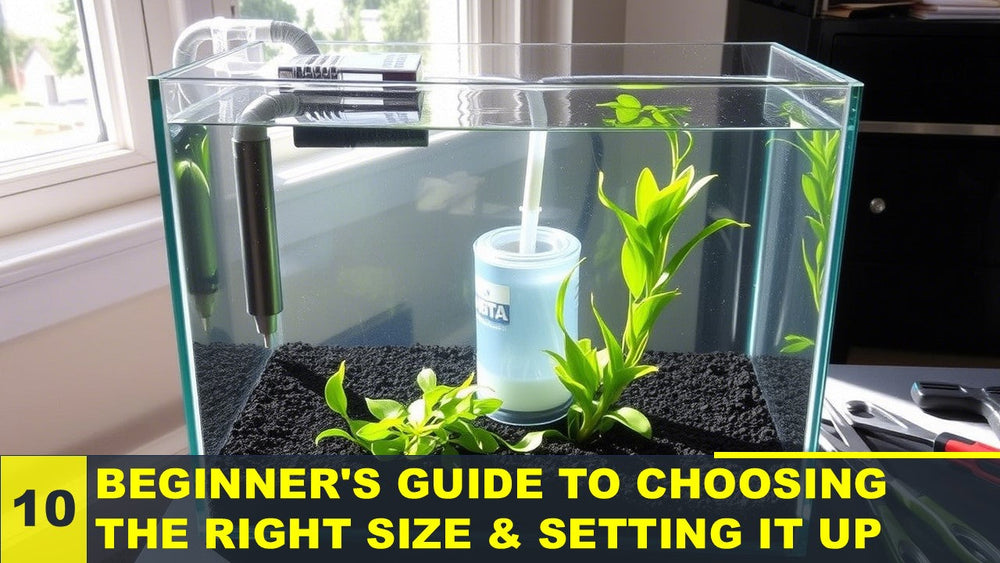
Place the filter intake near the bottom of the tank, away from heavy decorations. This ensures it pulls debris from the substrate without sucking in the fish or fine gravel. If using a sponge filter, attach the air stone to an external air pump and secure the sponge to the glass with suction cups.
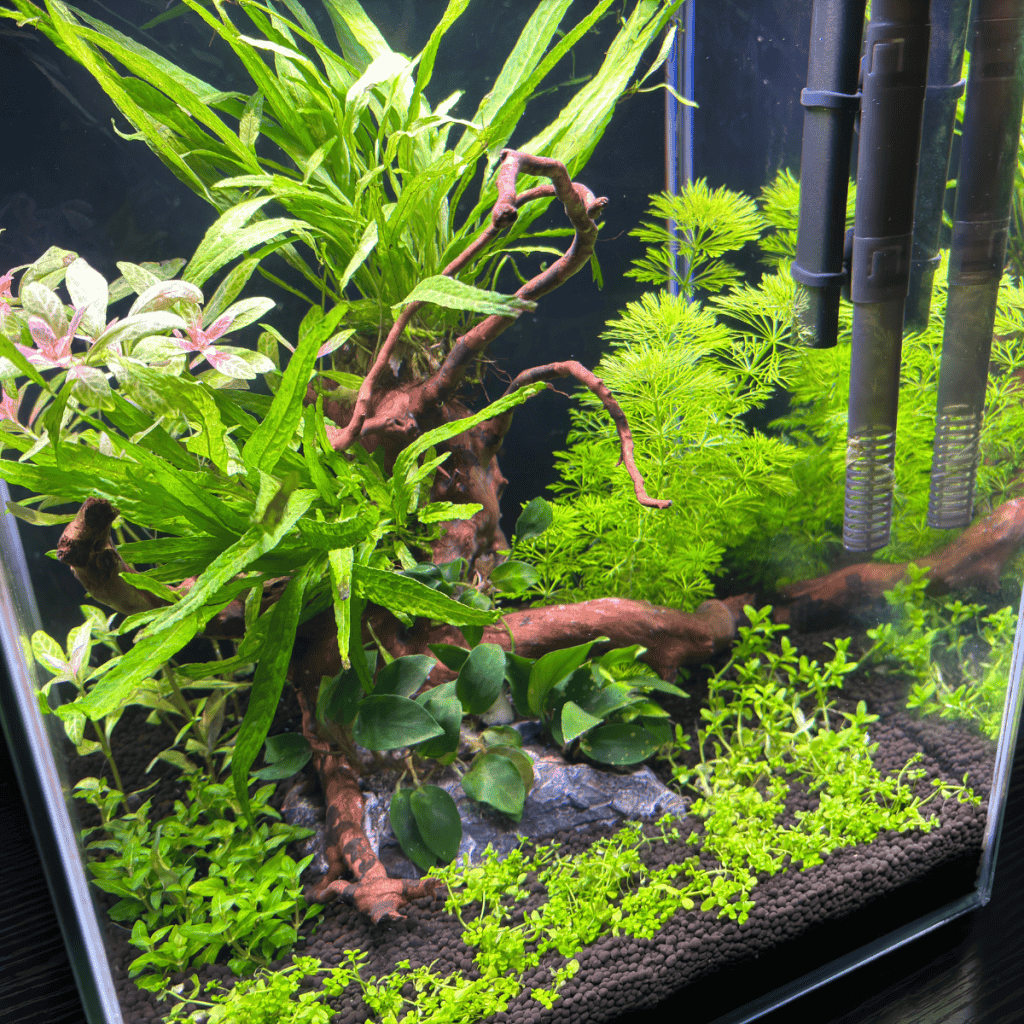
Test the current by holding a piece of tissue paper near the output. If the paper blows away instantly, the flow is too strong. Adjust the valve on a HOB filter or reduce the air pump pressure on a sponge filter until the water movement is gentle.
Install the equipment but do not add fish yet. Run the heater and filter for at least 24 hours to establish baseline stability. Add a liquid bacterial starter to accelerate the nitrogen cycle, which converts toxic ammonia into less harmful nitrites and nitrates.
Verify equipment stability
Once installed, monitor the tank for leaks and listen for unusual vibrations. Ensure the heater’s light (if equipped) turns off when the target temperature is reached. Clean any packaging foam or dust from the equipment before submerging it to prevent clouding the water. A properly cycled Betta Fish Tank Setup will have clear water and a steady temperature before the first fish arrives.
Add substrate and live plants
A layer of substrate anchors your plants and provides a natural surface for beneficial bacteria. Spread 1–2 inches of fine gravel or aquasoil evenly across the bottom. Darker substrates help betta colors pop, while nutrient-rich aquasoil supports plant growth without immediate fertilizer needs.
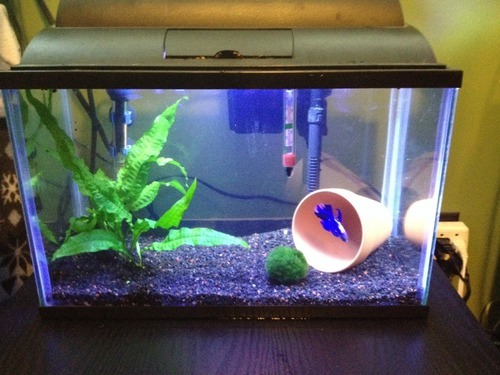
Place soft-rooted, low-light plants like Java Fern or Anubias directly into the substrate or tie them to driftwood. These species thrive in typical betta tank conditions and don’t require intense lighting or CO2 injection. Avoid uprooting them frequently; they prefer stability.
Live plants improve water quality by absorbing nitrates and providing hiding spots. Betta fish feel more secure among foliage, which reduces stress and encourages natural behaviors. They also help maintain the slightly acidic pH (6.5–7.5) that bettas prefer.
Cycle the tank before adding fish
Your Betta Fish Tank Setup isn’t complete the moment the water is in the bowl. Before you bring your betta home, you must cycle the tank. This process establishes beneficial bacteria that convert toxic waste into harmless compounds. Skipping this step is the most common reason new betta owners lose their fish to ammonia poisoning.
The cycle takes 4 to 6 weeks. During this time, you are building a biological filter. The bacteria colonize your filter media and substrate, creating a living ecosystem that keeps the water safe. You cannot rush this process with chemicals or shortcuts.
Step 1: Fill and start equipment
Fill your tank with dechlorinated water. Turn on your filter and heater immediately. The bacteria need a stable environment to grow, so keep the equipment running 24/7. Let the water sit for 24 hours to stabilize temperature and chemistry before adding any ammonia source.
Fill your tank with dechlorinated water. Turn on your filter and heater immediately. The bacteria need a stable environment to grow, so keep the equipment running 24/7. Let the water sit for 24 hours to stabilize temperature and chemistry before adding any ammonia source.
Step 2: Add ammonia source
You need to feed the bacteria to help them multiply. Add a pure ammonia source to the water. You can use unscented household ammonia or a commercial fishless cycling product. Aim for an ammonia level of 2–4 ppm. This simulates the waste a fish would produce, giving the bacteria a food source.

You need to feed the bacteria to help them multiply. Add a pure ammonia source to the water. You can use unscented household ammonia or a commercial fishless cycling product. Aim for an ammonia level of 2–4 ppm. This simulates the waste a fish would produce, giving the bacteria a food source.
Step 3: Test water daily
Use a liquid test kit to monitor ammonia, nitrite, and nitrate levels every day. You will see ammonia rise first, then drop as nitrite rises. Eventually, the nitrite will drop as nitrate rises. This shift shows the bacteria are working. Keep adding ammonia daily to maintain the 2–4 ppm level until the cycle completes.
Use a liquid test kit to monitor ammonia, nitrite, and nitrate levels every day. You will see ammonia rise first, then drop as nitrite rises. Eventually, the nitrite will drop as nitrate rises. This shift shows the bacteria are working. Keep adding ammonia daily to maintain the 2–4 ppm level until the cycle completes.
Step 4: Wait for zero ammonia and nitrite
The cycle is complete when your test kit shows 0 ppm ammonia and 0 ppm nitrite, with detectable nitrates. This usually takes 4–6 weeks. Do not add your betta until you see this result. Even a small spike in ammonia can burn your fish’s gills and cause death.
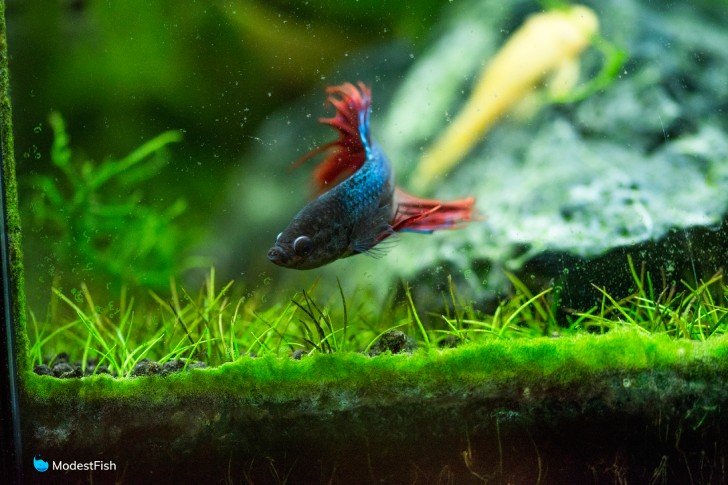
The cycle is complete when your test kit shows 0 ppm ammonia and 0 ppm nitrite, with detectable nitrates. This usually takes 4–6 weeks. Do not add your betta until you see this result. Even a small spike in ammonia can burn your fish’s gills and cause death.
Why cycling is non-negotiable
Ammonia is highly toxic to fish. In an uncycled tank, waste builds up instantly. The beneficial bacteria act as a natural filtration system, breaking down this waste. Without them, your Betta Fish Tank Setup is just a container of poison. Patience now saves your fish later.
Final checks before adding your betta
Once the cycle is complete, do a 50% water change to lower nitrate levels. Test the water one last time to confirm zero ammonia and nitrite. Ensure your heater is set to 78–80°F (25–27°C). Your tank is now ready for your new companion.
Introduce your betta carefully
Placing your betta into its new home requires patience. Rushing the process shocks the fish, compromising its immune system and inviting disease. Treat acclimation as a gradual transition, not a simple dump.
Float the bag
Set the sealed bag in the tank water for 15 to 20 minutes. This equalizes the temperature between the transport water and your tank. Bettas are tropical fish; sudden temperature shifts are a primary cause of stress and death.
Mix the water
After floating, open the bag. Every five minutes, add one cup of tank water into the bag. Repeat this for 30 to 45 minutes. This dilutes the transport water and helps the betta adjust to the new pH and hardness levels.
Net the fish
Use a soft net to move the betta into the tank. Do not pour the bag water into the aquarium. It contains waste, chemicals, and potential pathogens from the pet store that you do not want to introduce to your clean Betta Fish Tank Setup.
Turn off the lights
Keep the tank lights off for the first 24 hours. Darkness reduces stress and gives the betta time to explore its new territory without feeling exposed.
Common Betta Fish Tank Setup Mistakes
Even with good intentions, small errors in a Betta Fish Tank Setup can stress your fish or lead to health issues. Avoiding these pitfalls ensures a stable environment where your betta can thrive rather than just survive.
Using Unfiltered Tap Water
Tap water contains chlorine and chloramines that are harmless to humans but toxic to fish. Never add untreated water to your tank. Always use a water conditioner to neutralize these chemicals before adding water to the aquarium. While bettas are labyrinth fish and can breathe atmospheric air, they still rely on clean water for gill respiration and overall health. Poor water quality is a leading cause of fin rot and other infections.
Skipping the Nitrogen Cycle
A new tank is not ready for a fish the moment you fill it with water. The nitrogen cycle establishes beneficial bacteria that break down waste into less harmful compounds. Without this cycle, ammonia levels spike rapidly, which can burn a betta’s gills and cause death. Allow the tank to cycle for at least four to six weeks before introducing your fish. Test the water regularly to ensure ammonia and nitrite levels read zero.
Choosing Tall, Narrow Tanks
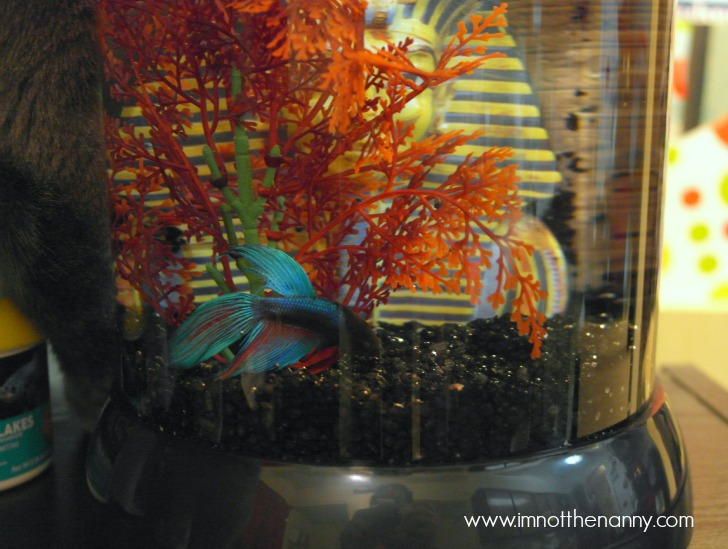
Many pet stores sell tall, narrow "betta bowls" or kits that look cute but are unsuitable for long-term care. Bettas are surface-dwelling fish that need horizontal swimming space to exercise and maintain muscle tone. Tall tanks often have poor surface area for gas exchange, leading to lower oxygen levels. Aim for a minimum of five gallons, preferably a long, shallow tank, to provide adequate room for movement and stable water parameters.
Essential maintenance checklist
A stable Betta Fish Tank Setup relies on consistent upkeep rather than occasional deep cleans. Regular water changes remove nitrates and replenish minerals, while gentle filter maintenance preserves the beneficial bacteria that keep your tank safe. Think of this routine as the immune system for your tank; skipping it leaves your betta exposed to stress and disease.
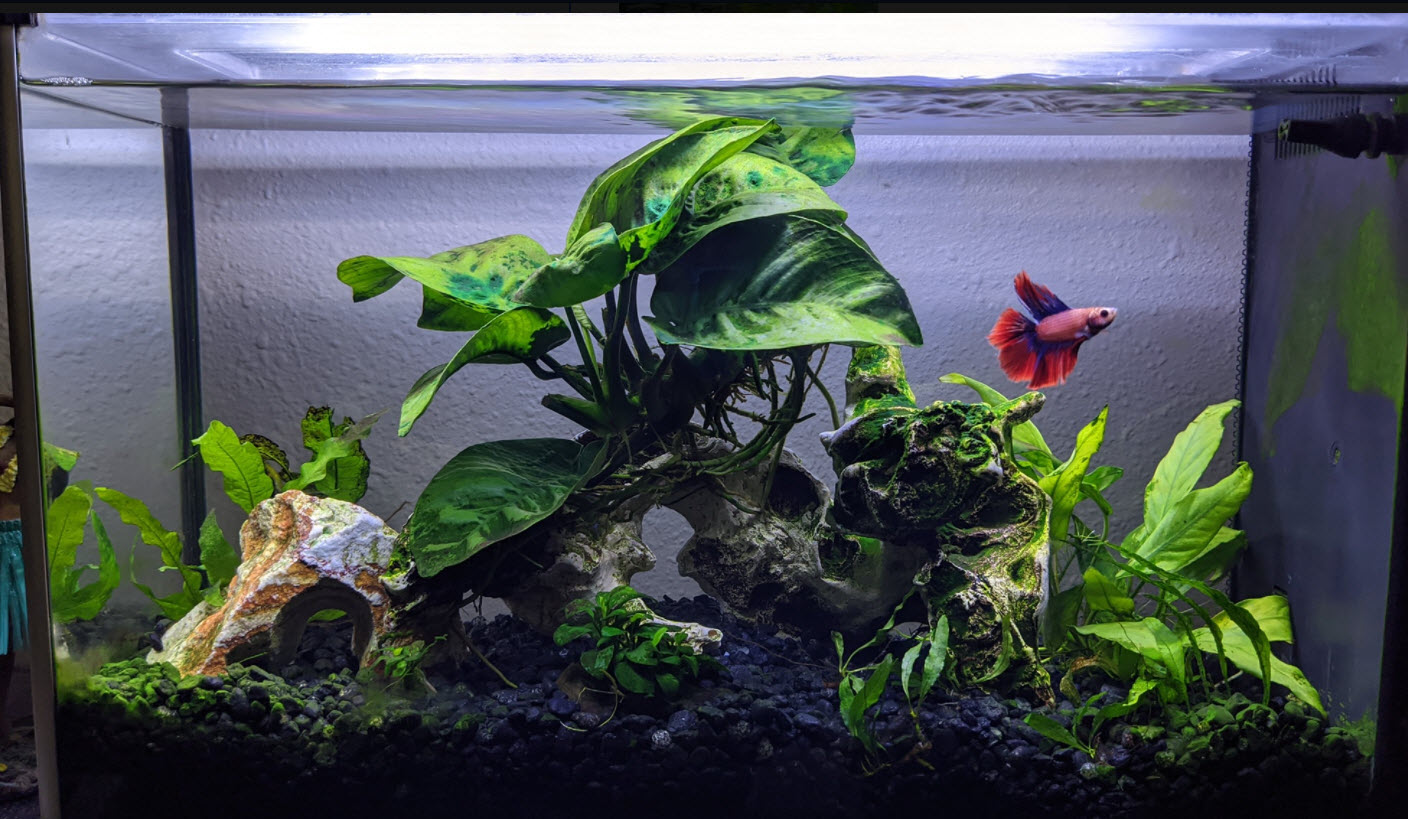
Perform a 25% water change weekly using a gravel vacuum to remove debris from the substrate. Test water parameters monthly to ensure pH and ammonia levels remain within safe ranges. Rinse your filter media in old tank water during water changes to protect the beneficial bacteria colonies. Trim overgrown plants every few weeks to maintain water flow and prevent decay.
Weekly maintenance routine
| Task | Frequency | Notes |
|---|---|---|
| Water change | Weekly | Replace 25% of volume |
| Filter rinse | Weekly | Use tank water only |
| Parameter test | Monthly | Check ammonia and pH |
| Plant trim | Bi-weekly | Remove dead leaves |
Filter care tips
While bettas can survive in unfiltered water, they thrive in filtered environments with gentle flow. A properly maintained filter prevents toxic buildup and keeps the water clear. Always rinse filter media in water removed from the tank during your water change, never in tap water, to preserve the biological filtration process. This simple habit extends the life of your filter media and ensures a healthier environment for your betta.
Do betta fish really need a filter?
The answer is yes, they do. While bettas can survive in a tank without a filter, they don't thrive in those conditions. Poor water quality can cause these beautiful fish many health-related problems. Bettas need clean water, and fish tank filters are the best way to give it to them.
A filter does more than just keep the water clear. It houses beneficial bacteria that break down toxic waste from your betta's waste and uneaten food. Without this biological filtration, ammonia and nitrite levels spike quickly, leading to stress, disease, or death. In a small bowl, waste accumulates rapidly, forcing you to perform frequent water changes that can shock the fish.
For a standard Betta Fish Tank Setup, a gentle sponge filter is often the best choice. It provides adequate filtration without creating a strong current that bettas dislike. This simple, affordable piece of equipment ensures your betta has a stable, healthy environment where it can live its full lifespan.
No comments yet. Be the first to share your thoughts!