

Why tank size matters for bettas
The image of a betta fish swirling in a small, decorative bowl is one of the most persistent myths in pet ownership. While these fish are hardy and can survive in cramped spaces, survival is not the same as thriving. The reality of proper Betta Fish Care requires a much larger environment to support their physical health and natural behaviors.
Bettas are tropical fish that need stable water conditions to maintain their immune systems and vibrant colors. In small volumes of water, waste products like ammonia build up rapidly, creating a toxic environment that leads to stress, fin rot, and shortened lifespans. A larger tank provides a buffer against these fluctuations, allowing beneficial bacteria to establish a stable biological filter.
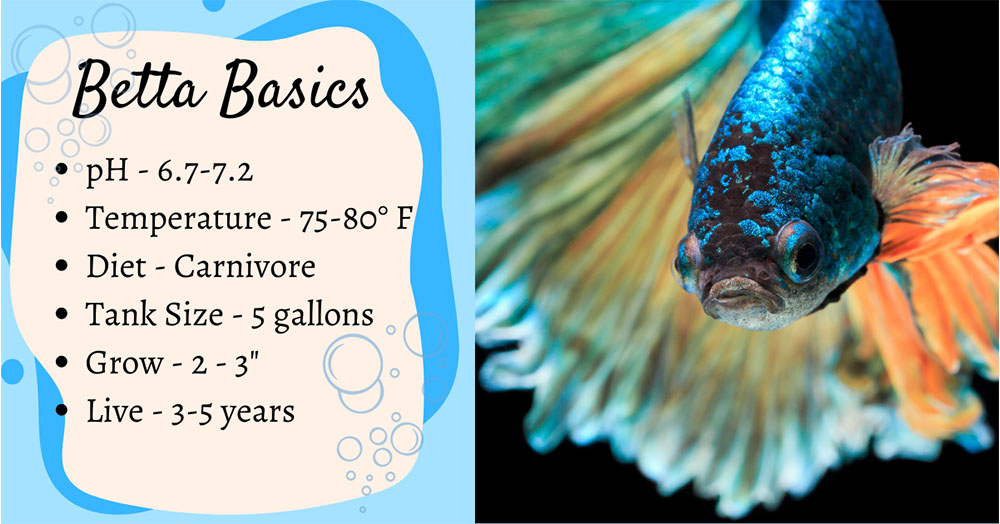
While some sources suggest a minimum of three gallons, five gallons is the widely accepted standard for a healthy home. This volume allows for proper heating and filtration without overcrowding the space. It gives the fish room to swim and explore, which is essential for their mental well-being.
Starting with a five-gallon tank sets the foundation for a long-lived pet. Smaller setups often lead to frequent water changes and higher maintenance, which can be stressful for both the fish and the owner. Investing in the right size tank from the beginning simplifies care and ensures your betta lives a full, active life.
Top rated betta tank kits
Choosing the right starter kit is the first step in proper betta fish care. While many bettas survive in small bowls, they thrive in heated, filtered environments of at least three gallons. A complete kit simplifies this process by bundling the tank, heater, and filter into one purchase, ensuring your fish has a stable habitat from day one.
When evaluating kits, prioritize those with adequate filtration. Bettas produce waste that can quickly foul small volumes of water, so a gentle filter is essential to maintain water quality without creating a current that stresses the fish. Look for kits that include a reliable heater, as bettas are tropical fish requiring temperatures between 76°F and 80°F to remain active and healthy.
The following products represent some of the most reliable complete setups for beginners. These kits are selected for their ease of assembly, included filtration, and suitability for long-term betta health.


As an Amazon Associate, we may earn from qualifying purchases.
These kits typically include a hood with lighting, which helps maintain temperature and reduces water evaporation. For best results, pair your kit with live or silk plants to provide hiding spots and reduce stress. Avoid plastic plants with sharp edges that can damage the delicate fins of your betta.
Essential heating and filtration gear
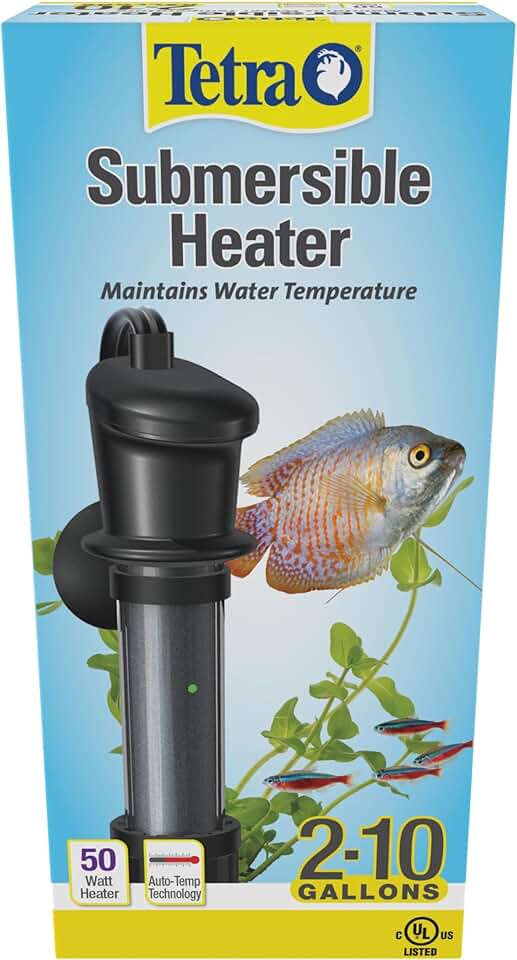
Bettas are tropical fish that thrive in warm water, making a reliable aquarium heater the most critical component of your setup. You need to keep the tank between 76–81°F (24–27°C) to support their metabolism and immune system. A submersible heater with an adjustable thermostat ensures the temperature stays stable, preventing the stress caused by cold drafts or room temperature drops.
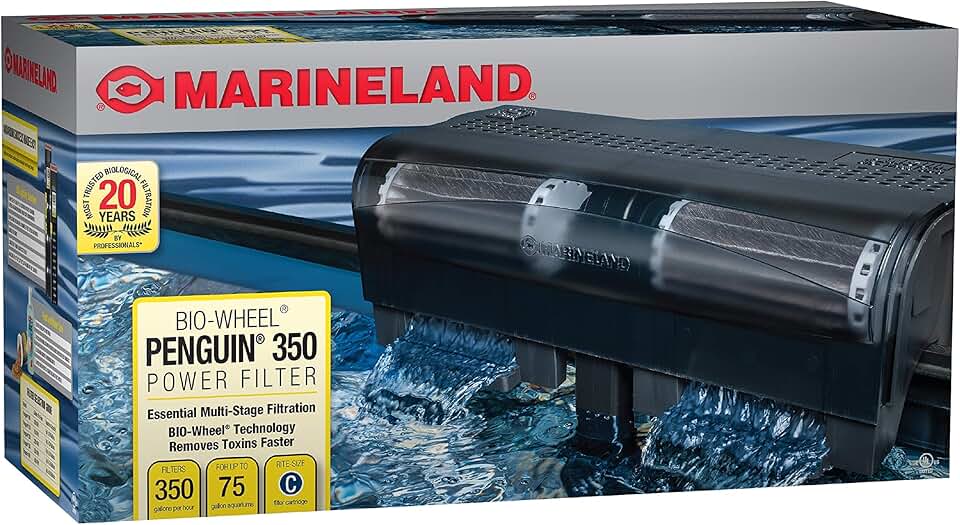
Filtration requires a different approach than standard aquariums. Bettas have long, flowing fins that can get caught in strong currents, so you must avoid powerful external filters. Instead, opt for low-flow internal filters or sponge filters. These options provide gentle water movement and mechanical filtration without creating a whirlpool effect that exhausts the fish.
When choosing equipment, prioritize adjustability and safety. Look for heaters with protective guards to prevent burns and filters with flow control valves. This allows you to fine-tune the water movement to suit your betta’s swimming strength. Consistent water quality and temperature are the foundations of good betta fish care.
| Filter Type | Flow Rate | Best For | Cleaning Ease |
|---|---|---|---|
| Sponge Filter | Very Low | Bettas & Fry | Easy |
| Internal Power Filter | Low/Medium | Small Tanks (5-10 gal) | Moderate |
| Hang-On-Back (HOB) | Medium/High | Community Tanks | Moderate |
| External Canister | High | Large Tanks | Complex |
Safe decor and substrate choices
Best Betta Fish Tanks and Supplies for works best as a sequence, not a pile of settings. Do the minimum first: confirm compatibility, connect the primary device, update only when needed, and test the result before adding optional features. That order keeps the task understandable and makes failures easier to isolate. After each step, pause long enough for the device or app to finish syncing. Many setup problems are timing problems disguised as configuration problems. If the same step fails twice, record the exact error, restart the smallest affected piece, and retry before moving deeper.
The simplest way to use this section is to keep the setup small, verify each change, and document the working configuration before adding extra devices.
Setting up your betta habitat
The easiest mistake with Best Betta Fish Tanks and Supplies for is changing too much at once. Rename devices, move networks, update firmware, or adjust permissions one at a time. When setup fails, the last change should be obvious enough to undo without rebuilding the whole configuration. Do not treat a successful app screen as the final test. Use the physical control, the app, and any connected automation to confirm the setup works from every path the reader will actually use.
Common betta care: what to check next
Betta fish care often comes down to three main concerns: how long they live, what they eat, and who they can live with. Getting these basics right reduces stress for your fish and makes maintenance easier.
How long do betta fish live?
With proper care, betta fish typically live 3 to 5 years. Their lifespan depends heavily on water quality, diet, and tank size. A cramped bowl with cold, unfiltered water will shorten their life significantly. A well-maintained 5-gallon tank with a heater and filter gives them the best chance to reach their full potential.
Can betta fish live with other fish?
Male bettas are territorial and should generally live alone. Housing two males together almost always leads to fighting and injury. Females can sometimes live in sororities of five or more, but this requires a larger tank and careful monitoring. Peaceful community fish like neon tetras or corydoras catfish can sometimes coexist with a male betta in a 10-gallon or larger tank, but individual temperament varies.
What do betta fish eat?
Bettas are carnivores that need a high-protein diet. High-quality betta pellets are the best staple food, providing balanced nutrition. You can supplement their diet with frozen or live foods like brine shrimp, bloodworms, and daphnia two to three times a week. Avoid overfeeding, as uneaten food fouls the water and can cause health issues.
How often should I change the water?
In a filtered tank, perform a 25% water change every week. In an unfiltered tank, you may need to do partial changes more frequently to keep ammonia levels low. Always use a water conditioner to remove chlorine and chloramines from tap water before adding it to the tank. Test your water parameters regularly to ensure pH stays between 6.8 and 7.5.
What temperature do betta fish need?
Bettas are tropical fish that thrive in warm water between 76°F and 81°F (24°C–27°C). They cannot regulate their body temperature, so cold water makes them sluggish and susceptible to disease. A reliable aquarium heater with a thermometer is essential for maintaining a stable temperature year-round.
No comments yet. Be the first to share your thoughts!