

What matters most
A betta fish tank setup is less about decoration and more about creating a stable, low-stress environment. The difference between a thriving fish and a sick one usually comes down to three non-negotiable basics: temperature control, water quality, and adequate space.
Temperature and Water
Bettas are tropical fish that require a heater to maintain a steady 78–80°F (25–27°C). Without consistent warmth, their immune systems weaken, making them susceptible to common diseases like ich. Pair this with a reliable water conditioner to neutralize chlorine and heavy metals from tap water, which can burn their delicate gills.
Tank Size and Filtration
While many stores sell bettas in tiny bowls, a 5-gallon tank is the practical minimum for long-term health. It provides enough volume to buffer temperature swings and dilute waste. A gentle, adjustable filter is essential, but ensure the flow isn’t too strong, as bettas prefer calm waters and can exhaust themselves fighting a current.
Initial Costs
Setting up a proper habitat requires an upfront investment. You should expect to spend roughly $40–60 for a small tank with a built-in filter, $15 for substrate, $20 for a heater, and small amounts for conditioner and food. This initial cost pays off by reducing veterinary bills and replacement fish later.
"First, don't pour tap water into your aquarium. This can be dangerous to your sensitive betta." — Aqueon
Community Consensus
Experienced aquarists emphasize that skipping the heater or using a tiny bowl might save money initially, but it drastically shortens the fish's lifespan. The consensus is clear: invest in the basics first, then add plants and decor.
Details to compare
Choosing the right equipment for a betta fish tank setup doesn't require expensive gear, but it does require specific choices. A common mistake is buying a tiny decorative bowl. Bettas need space to swim and stable water temperatures to thrive. You should aim for a minimum of two gallons, though five gallons is the practical standard for easier maintenance.
The cost of entry is surprisingly low if you stick to the essentials. You can build a functional habitat for under $100. The biggest variable is the tank size and whether you buy a kit or individual components. Below is a breakdown of the core factors you need to evaluate before buying.
Community insights
Experienced keepers often emphasize that the filter flow rate is more critical than the filter type. Bettas have long, heavy fins that act like sails in strong currents. If your betta is hiding at the top of the tank or struggling to swim down, the filter is too powerful.
Reddit users frequently share that bare-bottom tanks are easier to clean but lack biological filtration. A planted tank with live plants like java fern or anubias can help absorb nitrates, reducing the frequency of water changes. However, live plants require light and can be delicate for beginners. Plastic plants are a safe, durable alternative.
Final checklist
Before introducing your betta, ensure the water is cycled. This means establishing beneficial bacteria to process ammonia. A new tank must run empty for at least two weeks. Once the cycle is complete, add your betta slowly. Monitor its behavior for the first few days. If it stops eating or hides constantly, check the water parameters again.
How to decide
Choosing the right betta fish tank setup starts with matching your space and budget to the right equipment. A 5-gallon minimum is the standard for a healthy environment, but smaller desktop tanks often lack the stability needed for long-term care. Start by measuring your available surface area; bettas need calm water flow, so the tank shape matters as much as the volume.
Next, budget for the essentials rather than just the fish. Community advice suggests allocating $40–$60 for a tank with a built-in filter, $15 for substrate, and around $20 for a reliable heater. You also need dechlorinator and food, which adds another $10–$15. Skipping the heater to save money is a common mistake that leads to health issues, so prioritize temperature control over aesthetics.
Finally, consider the water source. Tap water contains chlorine and chloramines that are harmful to bettas, so you must use a water conditioner before adding it to the tank. Deionized water is ideal but requires maintenance. Plan your setup around these non-negotiable items to ensure your betta thrives from day one.
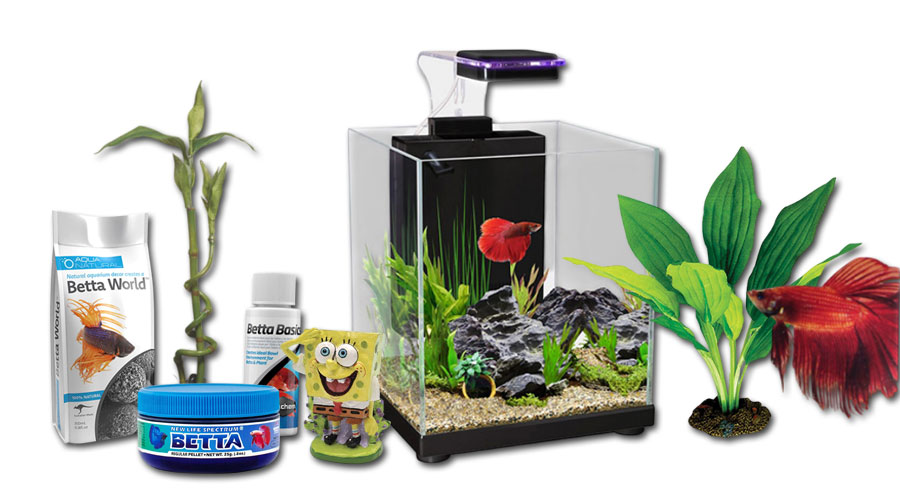
Determine the footprint and volume. A 5-gallon tank is the minimum for stability. Measure the surface area to ensure the betta has room to swim without excessive water flow from the filter.
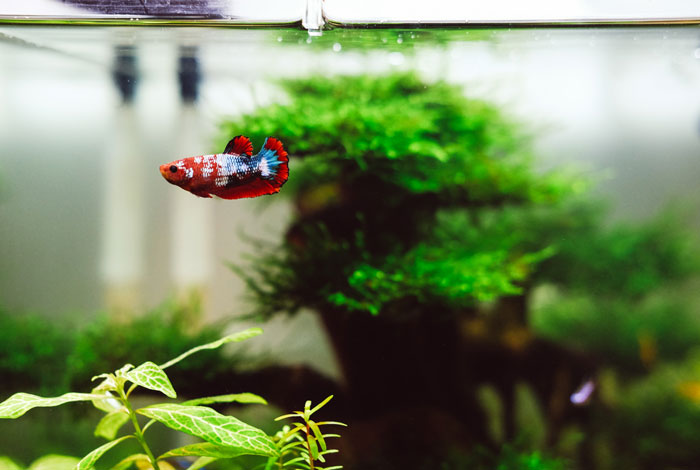
Allocate funds for the tank ($40–$60), substrate ($15), and heater ($20). Include dechlorinator ($3–$5) and food ($5). Do not skip the heater; bettas are tropical fish requiring consistent warmth.
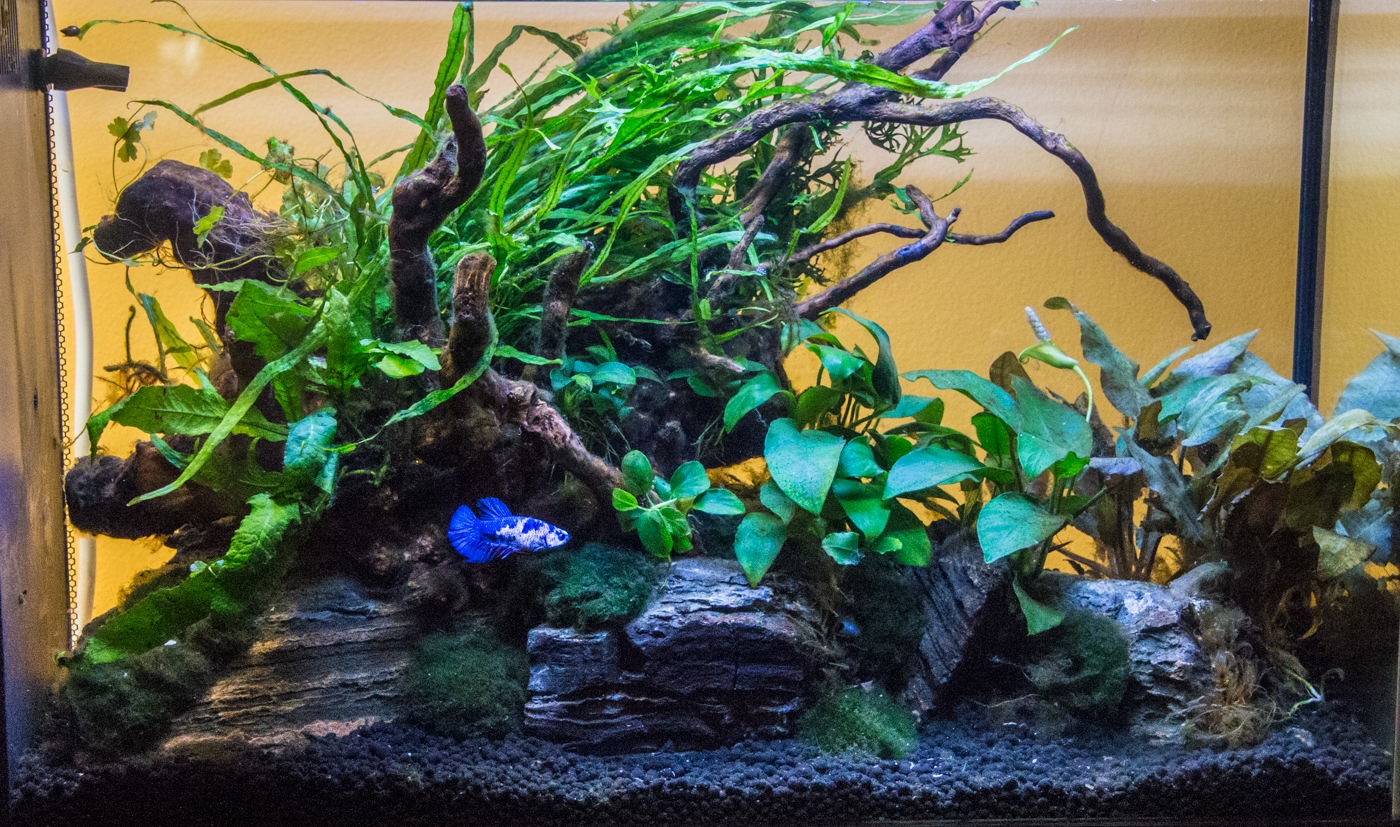
Never use untreated tap water. Use a dechlorinator to remove chlorine and chloramines. Deionized water is ideal but requires careful mineral balancing for long-term health.
Watchouts: What to Avoid
New owners often fall for "starter kit" traps. These bundled tanks usually include weak filters and dim lighting that stress bettas. Skip the pre-assembled boxes. Instead, buy a standard 5-gallon tank, a reliable hang-on-back filter, and an adjustable heater separately. The total cost is often similar, but the setup lasts years instead of months.
Never use untreated tap water. Chlorine and chloramines burn delicate gills and spike ammonia levels instantly. Always use a water conditioner like Seachem Prime or API Tap Water Conditioner to neutralize these chemicals before adding fish. Even "deionized" water can be dangerous if it lacks essential minerals, so stick to conditioned tap water or properly remineralized RO water.
Avoid small, round bowls. They lack surface area for gas exchange and offer no room for a heater or filter. Betta fish need stable temperatures and clean water to survive. A small bowl creates a toxic environment that leads to rapid illness. If you cannot provide a filtered, heated tank, do not keep a betta.
No comments yet. Be the first to share your thoughts!