

Betta Care's Next Wave
Keeping betta fish can be challenging. The constant worry about water temperature, ammonia levels, or subtle behavioral changes is familiar to many owners. We often find ourselves constantly checking and testing, but there's a way to ease that burden.
Traditional betta care involves manual test kits, thermometers, and observation. While these methods are useful, they only provide occasional data. A sudden ammonia spike or temperature shift can be missed between checks. AI-powered tank monitoring systems are changing this, offering continuous insight.
These systems shift care from reactive to preventative. They continuously monitor water parameters, alerting owners to potential issues before they become critical. The growing popularity of betta keeping fuels demand for better tools, and AI offers a promising solution.
This trend mirrors a broader shift in pet care towards smarter, connected solutions that enhance animal welfare and simplify ownership. The goal is to provide bettas with the best possible environment to thrive, and AI is helping unlock this potential.
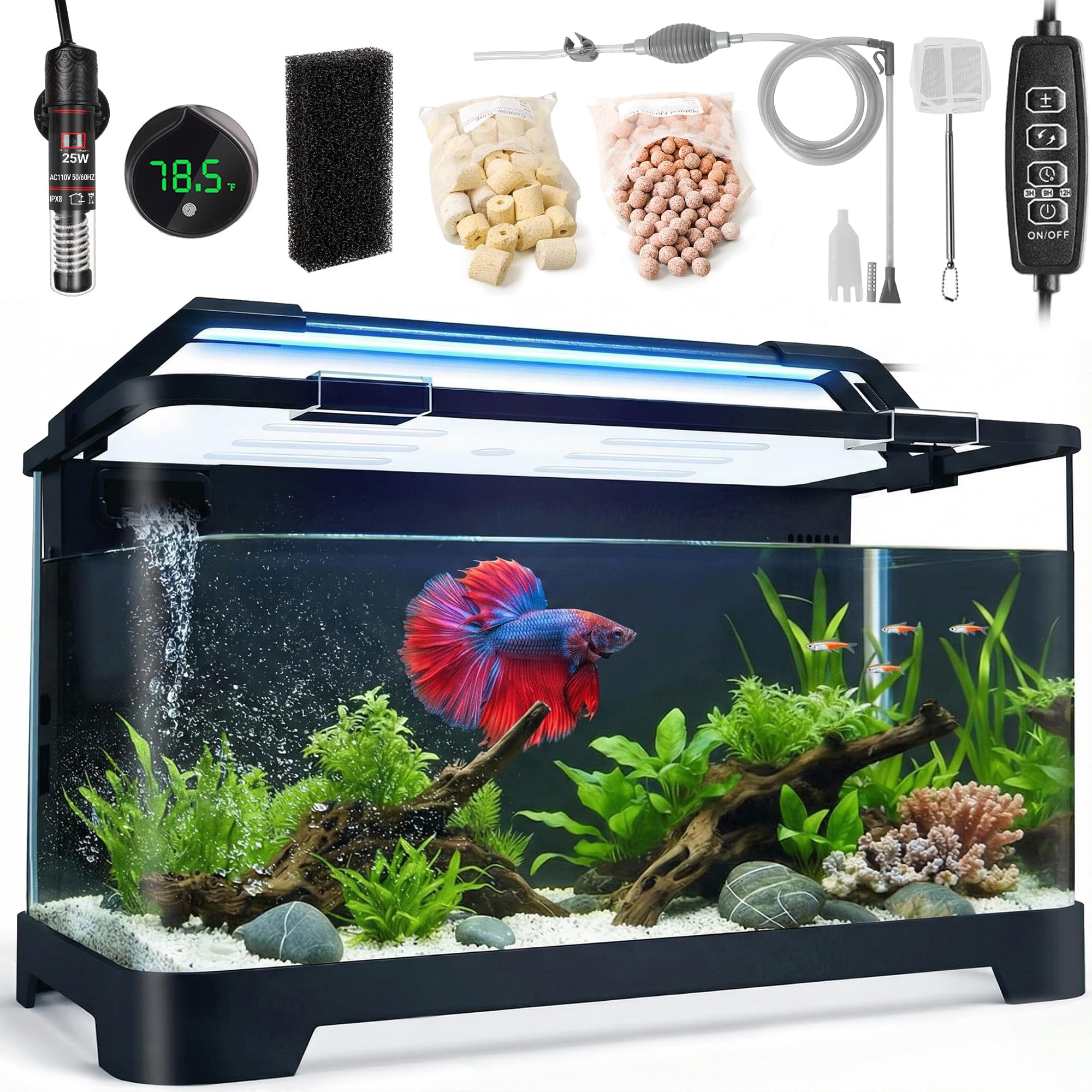
Sensors: The Eyes of the System
Sensors are the core of AI-powered tank monitoring systems, gathering data on the aquarium environment. Common sensors measure temperature, pH, ammonia, nitrite, and nitrate. More advanced systems also monitor dissolved oxygen.
Temperature is critical; bettas need a stable 78-80°F (25.5-26.7°C). Fluctuations stress fish and weaken immunity. An ideal pH range is 6.5 to 7.5. Ammonia, nitrite, and nitrate, byproducts of the nitrogen cycle, are toxic if they build up.
Sensor technology has advanced from bulky, unreliable probes to miniaturized, wireless devices that are easier to install and maintain. These sensors connect to a central hub, sending data to the cloud for processing. Wireless capability reduces cable clutter and improves aesthetics.
Future sensors may detect more subtle health indicators, such as analyzing movement patterns for lethargy or fin clamping, or detecting changes in water clarity that signal a bacterial bloom. These advancements will enable more proactive care.
- Temperature: 78-80°F (25.5-26.7°C) - Critical for metabolic function.
- pH: 6.5-7.5 - Impacts enzyme activity and overall health.
- Ammonia: 0 ppm - Highly toxic, even in small amounts.
- Nitrite: 0 ppm - Also toxic, a sign of an incomplete nitrogen cycle.
- Nitrate: Below 20 ppm - Less toxic, but still needs to be controlled through water changes.
Betta Fish Water Parameter Guidelines & Sensor Accuracy
| Parameter | Ideal Range | Warning Level | Critical Level | Typical Sensor Accuracy |
|---|---|---|---|---|
| Temperature (°F) | 78-82 | Below 76 or Above 84 | Below 74 or Above 86 | ± 0.5°F |
| pH | 6.5-7.5 | 6.0-6.4 or 7.6-8.0 | Below 6.0 or Above 8.0 | ± 0.2 pH units |
| Ammonia (ppm) | 0 | 0.25-1.0 | Above 1.0 | ± 0.05 ppm |
| Nitrite (ppm) | 0 | 0.5-1.0 | Above 1.0 | ± 0.1 ppm |
| Nitrate (ppm) | Below 20 | 20-40 | Above 40 | ± 2 ppm |
| Dissolved Oxygen (mg/L) | 5-8 | Below 5 | Below 3 | ± 0.5 mg/L |
Illustrative comparison based on the article research brief. Verify current pricing, limits, and product details in the official docs before relying on it.
AI and Data Interpretation
The true value of these systems is in interpreting sensor data. Raw data requires analysis to become actionable insight, which is where AI excels. AI algorithms identify patterns, detect anomalies, and predict potential problems.
AI's primary function is anomaly detection. It learns the normal parameters for your specific tank, including typical temperature fluctuations, pH range, and ammonia levels. When a parameter deviates from this baseline, the AI sends an alert to your smartphone or computer. This approach is more effective than static thresholds because it accounts for each aquarium's unique characteristics.
Some systems use predictive modeling. An AI might analyze feeding patterns, filtration capacity, and past water parameter readings to forecast an ammonia spike, allowing for preventative action like a water change before levels become dangerous. This advanced feature's accuracy depends on the AI's quality and data volume.
These systems are tools that enhance, not replace, owner knowledge and observation. They offer an added layer of security and peace of mind, empowering owners with information rather than automating care entirely.
- Data Collection: Sensors continuously gather information about the aquarium environment.
- Data Transmission: Data is sent to a central hub and then to the cloud.
- AI Analysis: Algorithms identify patterns, detect anomalies, and make predictions.
- Alerts & Notifications: Users receive alerts via smartphone or computer when parameters deviate from normal.
Current Systems: A Snapshot
The market for AI-powered aquarium monitoring systems is new but growing quickly. Companies offer products with diverse features and prices, typically including a sensor hub, wireless sensors, and a mobile app for monitoring and control.
Common features include real-time data, historical logging, customizable alerts, and remote control of equipment like heaters and lights. Some systems also offer automated water change reminders and integrate with smart home ecosystems like Alexa and Google Assistant, enabling voice commands and routine integration.
Many systems prioritize user-friendliness with intuitive apps and simple setup. Cloud data storage is common for tracking performance over time. Direct brand comparisons are difficult due to constantly evolving features and pricing.
Specific brand recommendations are difficult due to the rapidly changing market. Researching and reading reviews is advised to find a system that fits your needs and budget, focusing on necessary sensors, a reliable app, and good customer support.
- Real-time Monitoring: Displays current water parameters.
- Historical Data: Allows you to track trends over time.
- Customizable Alerts: Notifies you of potential problems.
- Remote Control: Adjusts equipment from your smartphone.
- Smart Home Integration: Connects to Alexa or Google Assistant.
Beyond Monitoring: Automated Adjustments
The next step in AI-powered betta care involves automated adjustment of tank parameters. Systems could automatically adjust heaters to maintain optimal temperature or dose fertilizers and water conditioners based on tank needs. This area requires a cautious approach.
Fully automated systems are new and require careful consideration. Benefits include reduced workload, improved stability, and consistent water quality, but risks like malfunctions leading to dangerous conditions or diminished observational skills exist.
Human oversight remains crucial, even with automated systems. You should always double-check the system’s readings and be prepared to intervene if necessary. The PMC article on betta care emphasizes the importance of careful observation, and that remains true even with advanced technology. These systems should be seen as assistants, not replacements for responsible fish keeping.
Currently, we’re seeing automated dosing systems for fertilizers and water conditioners becoming more common. Automated heater control is also emerging, but it’s important to choose a system with built-in safety features to prevent overheating. The key is to find a balance between automation and manual control, ensuring that your betta’s needs are always prioritized.
Wild Betta Insights & AI's Role
Understanding the natural habitats of wild bettas is fundamental to providing optimal care in captivity. Wild bettas inhabit shallow, slow-moving waters with fluctuating temperatures, varying pH levels, and abundant vegetation. They experience seasonal changes in water chemistry and food availability. AI can play a role in simulating these natural conditions more effectively.
By incorporating data from studies of wild betta populations, AI algorithms can be programmed to create more dynamic and realistic aquarium environments. For example, the system could gradually adjust the temperature and pH to mimic seasonal changes, or it could simulate the natural flow of water with gentle currents. This isn’t just about creating a pretty tank; it’s about providing an environment that supports the betta’s natural behaviors and physiological needs.
Different betta species have different habitat requirements. Betta imbellis, for example, prefers slightly harder water than Betta splendens. AI systems could be customized to cater to the specific needs of each species, ensuring that your betta receives the optimal care. This requires researching the specific betta species you are keeping and understanding its unique needs.
Ultimately, the goal is to move beyond simply keeping bettas alive to helping them thrive. By leveraging the power of AI and a deeper understanding of their natural history, we can create aquarium environments that promote their health, happiness, and natural behaviors.
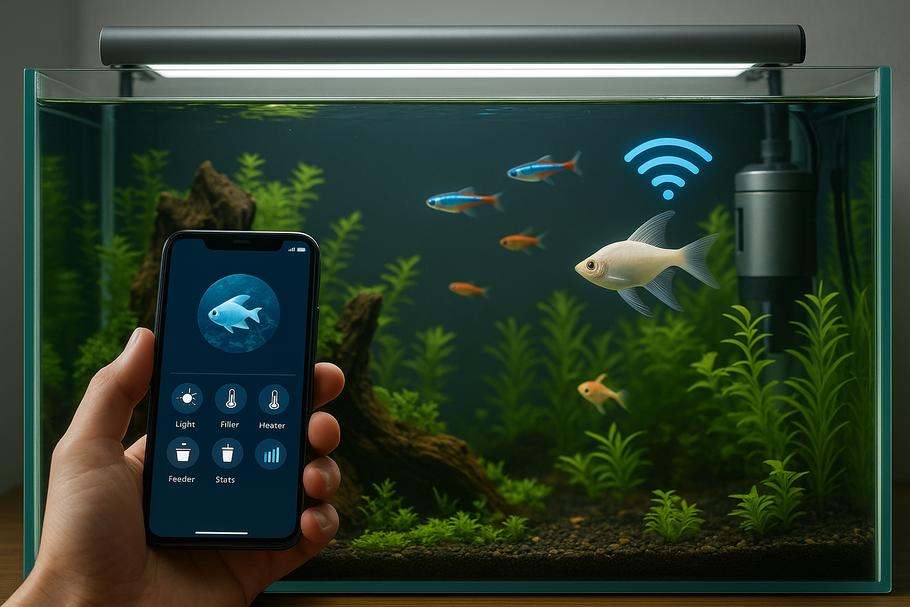
Future Predictions: 2026 and Beyond
Looking ahead to 2026 and beyond, I anticipate several exciting advancements in AI-powered betta care. Sensor technology will become even more sophisticated, with the development of sensors that can detect early signs of disease based on subtle changes in betta behavior – like altered swimming patterns or fin clamping.
AI algorithms will become more personalized, learning from the behavior of individual fish and tailoring care plans accordingly. Imagine a system that adjusts the lighting and feeding schedule based on your betta’s activity levels and preferences. This level of customization will require significant data collection and analysis, but it’s within reach.
We’ll also see greater integration with other technologies, such as virtual reality. Imagine being able to explore your betta’s tank from a first-person perspective, observing its behavior and identifying potential problems in a more immersive way. This could also be used for educational purposes, allowing people to.
Perhaps one of the most promising developments will be community-based data sharing. AI systems could learn from the experiences of other betta keepers, creating a collective knowledge base that benefits everyone. This would require robust privacy protections, but the potential benefits are enormous. The future of betta care is looking brighter, and AI is poised to play a central role.
What feature would you most like to see in an AI-powered betta fish care system?
AI-powered tank monitoring is changing the way betta keepers manage their aquariums. From real-time water quality tracking to intelligent feeding schedules, these systems aim to take the guesswork out of betta care. We want to know which capability matters most to you as a betta fish owner. Vote below and share your thoughts in the comments!

No comments yet. Be the first to share your thoughts!