

Choose the right tank size
Start by discarding the image of a betta fish swimming in a decorative bowl. While visually striking, these tiny containers are unsuitable for long-term Betta Fish Care. Betta fish are tropical animals that require stable water conditions to thrive, and small volumes of water fluctuate rapidly in temperature and toxicity. This instability causes chronic stress, weakens their immune systems, and shortens their lifespan.
The minimum requirement for a healthy betta is a 3-gallon tank. This volume provides enough water mass to buffer against sudden changes in pH and ammonia levels, allowing beneficial bacteria to establish a stable cycle. While 3 gallons is the absolute floor, a 5-gallon tank is often considered the ideal starting point for beginners, offering even greater stability and room for essential equipment.
A properly sized tank allows you to install a gentle filter and an adjustable heater. These components maintain the warm, calm environment bettas need. Without adequate space and equipment, you will find yourself performing frequent, stressful water changes just to keep the fish alive, rather than enjoying a balanced ecosystem.
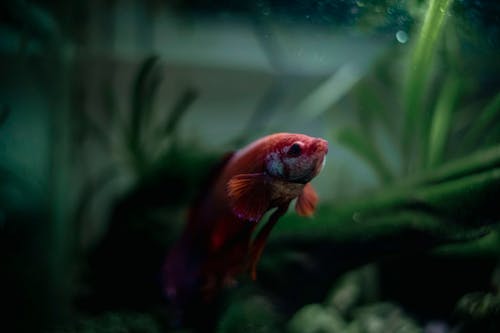
Choosing the correct tank size is the first and most critical step in setting up a betta fish tank. It sets the foundation for all subsequent care decisions, from filtration to planting. Investing in a larger tank from the start reduces maintenance burden and provides a higher quality of life for your fish.
Install the heater and filter
Setting up your Betta fish tank requires more than just water and gravel; the equipment you choose and how you install it determines whether your betta thrives or survives. Two components are non-negotiable: a reliable heater to maintain tropical warmth and a filter to keep the water clean without creating a dangerous current. Bettas are tropical fish that need consistent heat, and they have long, heavy fins that make swimming against strong flow exhausting and stressful.
Choose the right heater for stability
A submersible aquarium heater is essential for keeping your betta healthy. These fish originate from warm waters in Southeast Asia, and they cannot regulate their body temperature effectively in cold environments. You should aim for a water temperature between 76°F and 81°F (24°C–27°C). Most experts recommend setting your heater to a steady 78°F or 79°F, which sits comfortably in the middle of this range.
For a standard 5-gallon betta tank, a 50-watt heater is usually sufficient. If you live in a very cold climate or the room temperature drops significantly at night, consider a 75-watt heater to provide a safety buffer. Avoid cheap, non-adjustable heaters, as they can overheat and harm your fish. Look for models with an adjustable thermostat and a protective sleeve so your betta doesn’t burn itself on the glass element.
Select a filter with gentle flow
Filtration is the second pillar of Betta fish care. Your filter needs to remove waste and ammonia while providing some water movement for circulation. However, bettas are labyrinth fish, meaning they breathe air from the surface. Strong currents force them to work harder to reach the top, which can lead to exhaustion and stress.
The best filters for bettas are sponge filters or small internal hang-on-back filters with adjustable flow. Sponge filters are particularly excellent because they provide gentle, diffused water movement and offer biological filtration. If you use a hang-on-back filter, ensure it has a flow control valve so you can reduce the output stream. You can also direct the output away from open areas or toward the glass to break up the current.
Install and calibrate your equipment
Proper installation ensures your equipment works safely and effectively. Start by rinsing your filter media with dechlorinated water—never tap water, as chlorine kills the beneficial bacteria needed for your tank’s nitrogen cycle.
- Place the heater: Submerge the heater fully in the water before turning it on. Most heaters have a minimum water level line; ensure this is covered. Position it vertically against the tank wall for best heat distribution.
- Set up the filter: Install your sponge filter or internal filter according to the manufacturer’s instructions. If using an air-driven sponge filter, secure the airline tubing to the air stone and place the stone in the tank.
- Calibrate with a thermometer: Do not trust the heater’s dial alone. Place a separate, reliable aquarium thermometer in the tank to verify the actual water temperature. Adjust the heater setting until the thermometer reads your target range (78°F–80°F).
- Adjust the flow: Turn on the filter and observe the surface movement. If you see strong ripples or debris being swept across the tank, reduce the flow rate. The water should move gently, not churn.
Monitor and maintain
Once installed, your job is to monitor these components regularly. Check the thermometer daily for the first week to ensure the heater is maintaining a stable temperature. Look for any signs of stress in your betta, such as clamped fins or hiding behavior, which might indicate the water is too cold or the current is too strong.
Regular maintenance keeps your equipment running smoothly. Clean or replace filter media every few weeks, but rinse it in old tank water to preserve beneficial bacteria. Wipe the heater’s glass surface with an algae pad if it becomes coated, as this can interfere with heat transfer. Consistent monitoring and minor adjustments will keep your betta’s environment stable, supporting its health and longevity.
Cycle the tank before adding fish
Skipping the nitrogen cycle is the most common cause of early Betta Fish Care failures. New tanks contain no beneficial bacteria to process waste, meaning any ammonia produced will build up to toxic levels immediately. This invisible poison causes "new tank syndrome," leading to gill damage, lethargy, and rapid death. You must establish a biological filter before introducing your fish.
The nitrogen cycle is the natural process where bacteria convert harmful ammonia into less toxic nitrites, and finally into relatively harmless nitrates. In a new tank, you are essentially building a microscopic ecosystem from scratch. Without this biological foundation, your betta will be swimming in a chemical hazard rather than a stable habitat.
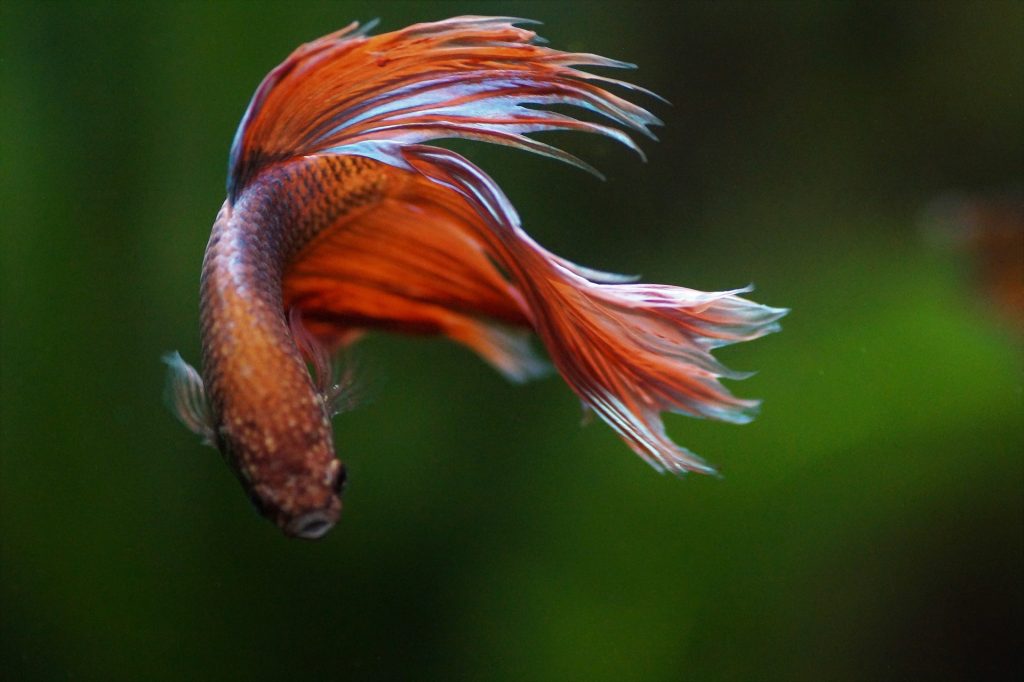
To cycle your tank, you need to introduce an ammonia source. This can be done by adding a small amount of pure ammonia, a few flakes of fish food, or using a "fishless cycling" method with bottled bacterial starters. The goal is to feed the bacteria that will colonize your filter media and substrate.
Testing is critical during this phase. Use a liquid test kit to monitor ammonia, nitrite, and nitrate levels weekly. The cycle is complete when ammonia and nitrites read zero, and nitrates are detectable. This process typically takes 4 to 6 weeks. Patience here prevents tragedy later; do not rush to add your betta until the cycle is fully established.
Add substrate and live plants
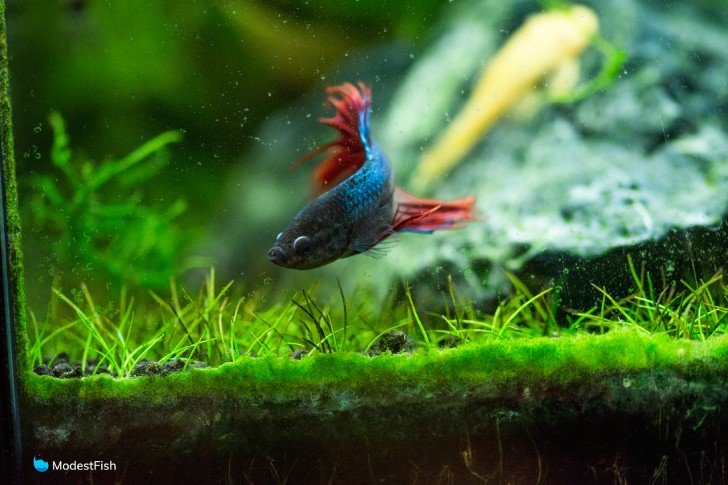
A layer of substrate and live plants transforms a bare tank into a naturalistic habitat. This setup reduces stress by mimicking the betta's native environment in Southeast Asia and provides essential resting spots. Bettas are labyrinth fish that breathe air from the surface; without plants to break up the surface tension or provide cover, they can become anxious or injured.
Start with a thin layer of fine gravel or dark sand, about one to two inches deep. This depth is sufficient for rooting plants while remaining easy to clean. Avoid sharp-edged gravel, which can damage the betta's delicate fins as it swims or rests near the bottom. A dark substrate also helps bring out the vibrant colors of the fish.
Incorporate live plants like Java fern, Anubias, or Amazon swords. These species are hardy and tolerate the low-light conditions typical of betta tanks. They offer hiding places and oxygenate the water, creating a balanced ecosystem. Place larger plants toward the back and sides, leaving open swimming space in the center.
The plants act as a natural filter, absorbing nitrates and keeping water quality stable. They also provide a sense of security for the betta, encouraging natural behaviors like flaring and exploring. A well-planted tank is not just aesthetically pleasing; it is a critical component of comprehensive Betta Fish Care.
Introduce your betta slowly
Moving a betta from a store bag or cup to its new tank is the most fragile moment in Betta Fish Care. Sudden changes in water chemistry or temperature can cause shock, leading to stress, illness, or death. Treat this transition as a gradual bridge between two different worlds, not a sudden jump.
Step 1: Float the sealed bag
Place the sealed transport bag directly into the tank water. Do not open it yet. Let it float for 15 to 20 minutes. This allows the water inside the bag to match the temperature of the tank. Betta fish are tropical and sensitive to cold; a rapid temperature drop is a common cause of shock.
Step 2: Mix tank water into the bag
After the temperature equalizes, open the bag and add small amounts of tank water into it. Do this every five minutes for about 30 minutes. This gradual dilution helps the betta adjust to the new pH and hardness levels. Pouring the fish directly into the tank water at this stage would expose it to a chemical shock it cannot handle.
Step 3: Net the fish into the tank
Once the acclimation period is complete, gently net the betta out of the bag and place it into the tank. Avoid pouring the water from the bag into the tank. The water in the bag contains waste products, stress hormones, and potentially pathogens from the transport environment. Adding this water to your clean tank can compromise water quality and introduce disease.
Step 4: Observe and dim the lights
Keep the tank lights off or very dim for the first 24 hours. Betta fish are easily startled by bright lights and new surroundings. Darkness helps them settle in and reduces stress. Watch them closely for the first hour to ensure they are breathing normally and swimming steadily. If you see them gasping at the surface or hiding excessively for days, check your water parameters.
Maintain water quality weekly
Consistent water changes are the backbone of Betta Fish Care. They remove dissolved waste, replenish essential minerals, and keep nitrate levels from climbing to toxic heights. Without this routine, even the best filter cannot prevent the slow buildup of toxins that stress your fish.
Start by preparing fresh water. Treat tap water with a quality dechlorinator to neutralize chlorine and chloramines. Match the temperature of the new water to the tank, keeping it between 76–81°F (24–27°C), to avoid shocking your betta with sudden temperature shifts [src-serp-1].
Use a gravel vacuum to remove 25% of the water. Pull the siphon through the substrate to lift out uneaten food and waste trapped in the gravel. This mechanical cleaning is more effective than surface skimming alone. Avoid cleaning the filter media during this process; rinsing it with old tank water preserves the beneficial bacteria colony.
After refilling the tank, test the water parameters. Aim for a pH between 6.5 and 7.5 and zero ammonia or nitrite. Regular testing helps you catch issues before they become visible symptoms of illness.
Weekly Maintenance Checklist
-
Test water for ammonia, nitrite, and pH
-
Vacuum 25% of the tank volume
-
Remove debris from gravel and decorations
-
Refill with dechlorinated, temperature-matched water
-
Wipe algae from the front glass pane
-
Rinse filter sponge in old tank water if clogged
Common Betta Care Mistakes
Even with the best intentions, small errors in Betta fish care can shorten your pet's lifespan. Avoid these frequent pitfalls to keep your betta healthy and active.
Overfeeding
Bettas have tiny stomachs, roughly the size of their eye. Overfeeding causes indigestion, bloating, and poor water quality due to excess waste. Feed only 2-4 pellets once or twice daily, and include one fasting day per week to help their digestive system reset.
Unheated Bowls
Glass bowls lack stable temperatures and filtration, making them unsuitable for long-term Betta fish care. Bettas are tropical fish requiring water between 76-80°F (24-27°C). Without a heater, they become stressed and prone to disease. Use a 5-gallon tank with a gentle filter and a submersible heater.
Aggressive Tank Mates
While bettas are calm, they can flare when threatened. Adding aggressive or fin-nipping species like barbs or tetras can cause chronic stress. If you must tank mate, choose peaceful, slow-moving species like corydoras catfish or neon tetras, and ensure ample hiding spots.
Frequently asked: what to check next
How big does a betta fish tank need to be?
A 10-gallon tank is the sweet spot for betta fish care, providing enough volume to stabilize water parameters and prevent waste buildup. While a 5-gallon tank is the absolute minimum, larger tanks offer more consistent temperatures and swimming space, which directly supports a longer lifespan.
Can betta fish live with other fish?
Bettas are naturally territorial and often aggressive toward tank mates, especially those with long, flowing fins. They generally do best in species-only tanks, but some aquarists successfully keep them with small, peaceful community fish like neon tetras or corydoras catfish in spacious setups.
How long do betta fish live?
With proper care, including a heated, filtered tank and a high-protein diet, betta fish typically live 3 to 5 years. Factors like poor water quality, stress, and inadequate tank size are the primary reasons many bettas die prematurely, often within the first year.
Do bettas need a filter and heater?
Yes, bettas are tropical fish that require warm, clean water to thrive. A gentle filter keeps the water free of toxins, while a heater maintains a stable temperature between 76–81°F (24–27°C), which is essential for their immune system and digestion.
Work through to Betta Fish Care
No comments yet. Be the first to share your thoughts!