

Betta behavior: beyond the bubble
A friend once told me her betta was 'mean' because he flared at everything. She saw it as pure aggression, but flaring is rarely that simple. Recent observations from 2025 and 2026 suggest we've misread these fish for decades.
For years, betta care focused on the bare minimum: a filtered tank, regular water changes, and enough food. Now, the focus is shifting toward enrichment, recognizing that these intelligent fish need more than just survival—they need stimulation. Understanding their natural instincts, honed over millennia, is absolutely essential to providing proper care and a genuinely good life.
The old view of bettas as solitary, aggressive creatures is proving incomplete. They are complex, sensitive animals. The latest studies are showing us that their behaviors are often more nuanced than we previously understood, and that providing a stimulating environment is key to unlocking their full potential and minimizing stress. It's about moving beyond 'enough' and aiming for thriving.
Spotting stress signals
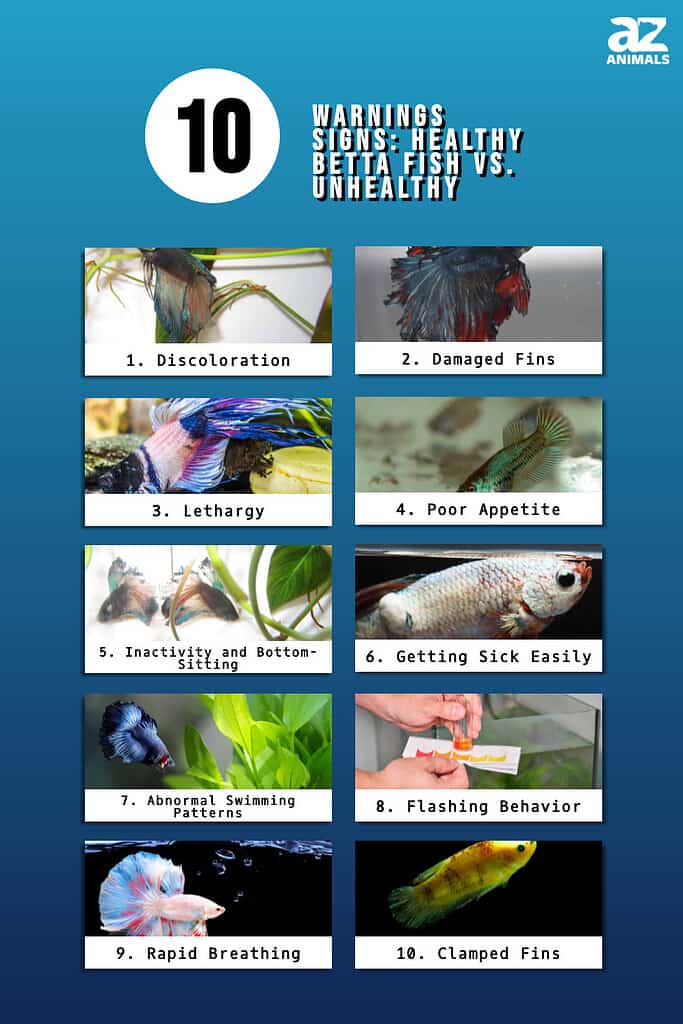
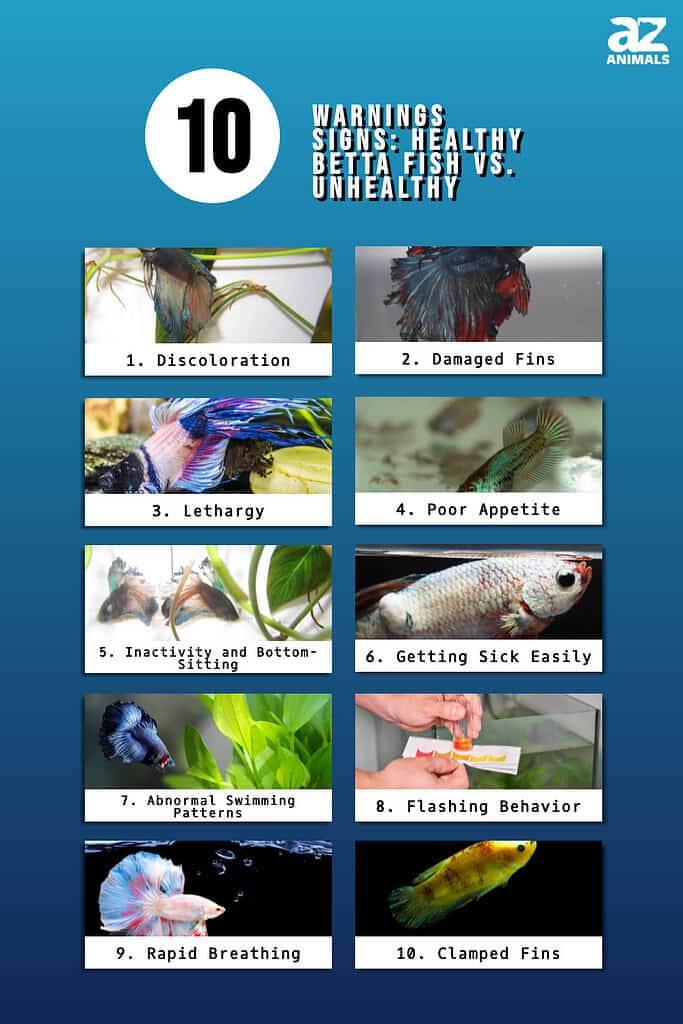
Recognizing stress in your betta is the first step toward addressing it. The classic signs – clamped fins, faded colors, and lethargy – are still important indicators, but the picture is becoming more complex. Erratic swimming patterns, a loss of appetite, and even changes in how they interact with their environment can all signal distress.
Recent research, like that featured on Ask Dr. Universe at Washington State University, is helping us refine our understanding of these signals. For instance, behaviors previously attributed to simple aggression might actually be fear responses manifesting in a defensive way. It’s about understanding the context of the behavior.
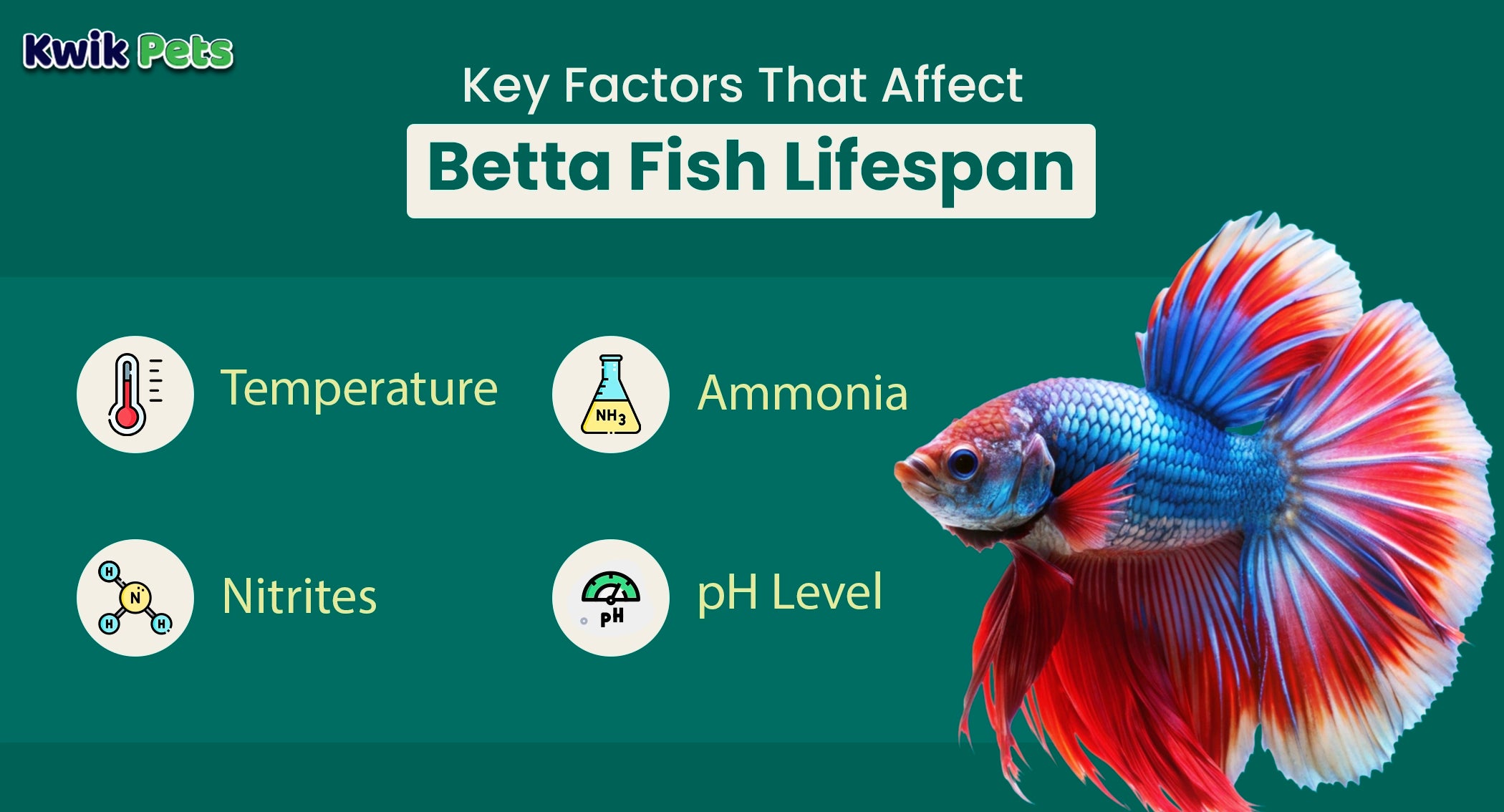
Every fish has a different baseline. Some are stoic; others are twitchy. Beyond personality, water quality is the most common trigger for behavioral shifts. Ammonia or nitrite spikes cause physical distress that looks like 'bad' behavior. I test my water weekly because maintenance is the only way to rule out illness before guessing at psychological causes.
We need to be careful about assuming a single cause for behavioral changes. A sudden shift could be due to a new tank mate (even a reflection!), a change in the environment, or even something as simple as a different brand of food. Careful observation and a methodical approach to troubleshooting are key to deciphering what your betta is trying to tell you.
- Clamped fins often signal immediate physical discomfort.
- Faded Colors: Often indicates illness or poor water quality.
- Lethargy: Reduced activity levels can signal underlying problems.
- Erratic Swimming: Uncoordinated or unusual movements.
- Loss of Appetite: A significant change in eating habits.
Flaring is more than just aggression
The dramatic flare display is often the first thing people associate with betta fish. But to automatically label it as aggression is a mistake. While it can be a threat display, it’s also used in other contexts—curiosity, exploration, and even as a form of communication.
Research suggests that bettas flare more frequently in barren environments. This leads some scientists to believe it's a displacement behavior, a way of releasing pent-up energy when they lack other outlets. Think of it like pacing in a human – a sign of boredom or frustration, not necessarily hostility.
The use of mirrors to induce flaring is a controversial topic. While it can be visually striking, it can also be incredibly stressful for the fish. Repeatedly triggering a threat response isn't healthy, and some experts believe it can lead to long-term behavioral problems. A short, occasional display might be okay for a healthy, confident male, but it’s best to err on the side of caution.
Individual personality plays a huge role. Some bettas are naturally more territorial and prone to flaring, while others are more laid-back. Paying attention to your betta’s specific behavior is far more important than relying on generalizations.
Tank Enrichment: What the Latest Research Says
Forget the bare-bones tank. The latest research overwhelmingly supports the importance of a complex, stimulating environment for bettas. It’s not just about plants and a hide—though those are excellent starting points. It’s about creating a space that mimics their natural habitat and encourages natural behaviors.
Varying textures are key. Smooth rocks, rough driftwood, and soft plants provide different tactile experiences. Visual barriers, created by plants or decorations, allow bettas to feel secure and explore without constant exposure. Think about how they would navigate a dense, root-filled stream.
Tank size and shape also matter. While a 5-gallon tank is often considered the minimum, larger tanks generally lead to better behavior and overall health. A longer tank provides more swimming space, while a taller tank allows for more vertical exploration. The shape of the tank can influence how a betta perceives its territory.
Leaf litter is a fantastic addition, providing hiding places, mimicking their natural environment, and even fostering the growth of beneficial microorganisms. Different types of substrate – sand, gravel, or even a planted substrate – offer different foraging opportunities. Floating plants, like duckweed or water lettuce, diffuse light and create a sense of security.
- Plants: Provide cover and oxygenate the water.
- Driftwood provides hiding spots and releases tannins that help prevent infections.
- Leaf Litter: Mimics the natural forest floor and provides foraging opportunities.
- Different Substrates: Encourage natural foraging behaviors.
- Visual Barriers: Create a sense of security and reduce stress.
Enrichment Options for Your Betta
| Item | Benefits | Considerations | Difficulty Level |
|---|---|---|---|
| Live Plants | Provide cover, promote natural behaviors, improve water quality through nutrient absorption. | May be eaten by the betta, require appropriate lighting and potentially fertilization. Some plants are unsuitable. | Medium |
| Driftwood | Offers hiding places, creates a more natural environment, can release beneficial tannins into the water. | May require pre-soaking to prevent water discoloration. Ensure it's aquarium-safe and won't leach harmful substances. | Easy |
| Leaf Litter | Mimics a natural forest floor, provides hiding spots, encourages foraging behavior, and releases tannins. | Needs to be replaced regularly as it decomposes. Source from reputable suppliers to avoid introducing pests or harmful chemicals. | Medium |
| Betta Hammock | Provides a resting place near the water surface, allowing the betta to feel secure and conserve energy. | Ensure the hammock is made of fish-safe materials and securely attached to the tank. Some bettas may ignore it. | Easy |
| Smooth Rocks/Pebbles | Create visual interest and provide areas for exploration. Can define territories within the tank. | Ensure rocks are smooth to avoid fin damage. Avoid rocks with sharp edges or those that could alter water chemistry. | Easy |
| Ceramic Caves | Offer a secure hiding spot and reduce stress. Available in various shapes and sizes. | Ensure the cave has no sharp edges. Choose a size appropriate for your betta to comfortably enter and exit. | Easy |
| Indian Almond Leaves | Release tannins that lower pH and have antibacterial properties, creating a more natural and healthy environment. Provide cover. | Will decompose and need replacing. May discolor the water – this is normal but monitor water parameters. | Medium |
Illustrative comparison based on the article research brief. Verify current pricing, limits, and product details in the official docs before relying on it.
How diet changes behavior
Diet changes a betta's energy levels almost immediately. If they're only eating low-grade flakes, they get sluggish. I've found that switching to high-protein sources makes them more inquisitive and active in the water column.
The debate between live, frozen, and flake food continues. Live and frozen foods are generally considered superior, as they provide more nutrients and stimulate their natural hunting instincts. However, high-quality flake food can also be a suitable staple, especially when supplemented with occasional treats.
Recent research is beginning to explore the impact of specific nutrients on brain function and stress response in bettas. For example, certain fatty acids are thought to play a role in mood regulation. It’s an area that needs further investigation, but it highlights the importance of a well-rounded diet.
Overfeeding is a common mistake. It can lead to obesity, poor water quality, and even behavioral problems. A small amount of food, two or three times a day, is usually sufficient.
Understanding Betta 'Personalities'
It’s easy to fall into the trap of thinking all bettas are the same. But just like people, they have individual personalities. Some are bold and curious, readily exploring their environment and interacting with their owners. Others are shy and timid, preferring to hide and observe from a distance.
Tailoring your tank setup and enrichment to suit your betta’s temperament is crucial. A shy betta might appreciate more hiding places and a densely planted tank, while a bolder betta might enjoy a more open environment with plenty of space to swim. The Betta Fisher community frequently shares observations about their individual fish, providing valuable insights.
It’s important to avoid generalizations. What works for one betta might not work for another. The key is to observe your betta specifically and learn what they enjoy and what stresses them out. Pay attention to their body language, their activity levels, and their overall demeanor.
The concept of "behavioral flexibility" is also important. A betta that is adaptable and able to cope with changes is likely to be more resilient to stress. Providing a stimulating environment can help foster this flexibility.
What is your betta fish's primary personality type?
Based on the latest 2026 behavioral studies, understanding your betta's temperament is key to optimizing their tank enrichment. Vote below to share your observations or provide a custom description.
No comments yet. Be the first to share your thoughts!