

The seven-year betta
It might surprise you to learn that, with truly optimized care, a betta fish could live for seven years. For a long time, the common expectation has been a lifespan of two to five years, and sadly, that’s often all the time these beautiful fish get. Recent research, documented in resources like the Care and Use of Siamese Fighting Fish (Betta splendens) for Research published by the National Institutes of Health (PMC), is revealing what dedicated aquarists have suspected for a while: bettas have a lot more potential than we previously thought.
Historically, several factors have limited a betta’s lifespan in captivity. Poor breeding practices, often prioritizing appearance over health, have led to fish with weakened immune systems and genetic predispositions to disease. Equally impactful is the widespread use of inadequate environments – tiny bowls or unfiltered tanks – and a general lack of understanding regarding their specific needs. It’s a change in perspective that's key.
However, this isn’t simply a matter of luck. While genetics play a role, a significant portion of a betta’s lifespan is dictated by the care we provide. This means maintaining pristine water quality, providing a stimulating environment, and offering a nutritious diet. I believe that, by focusing on these elements, we can move beyond the typical two-to-five-year lifespan and unlock the true potential of these amazing fish. A seven-year lifespan isn't a guarantee, but it's becoming increasingly attainable with the right approach.
Water chemistry and the nitrogen cycle
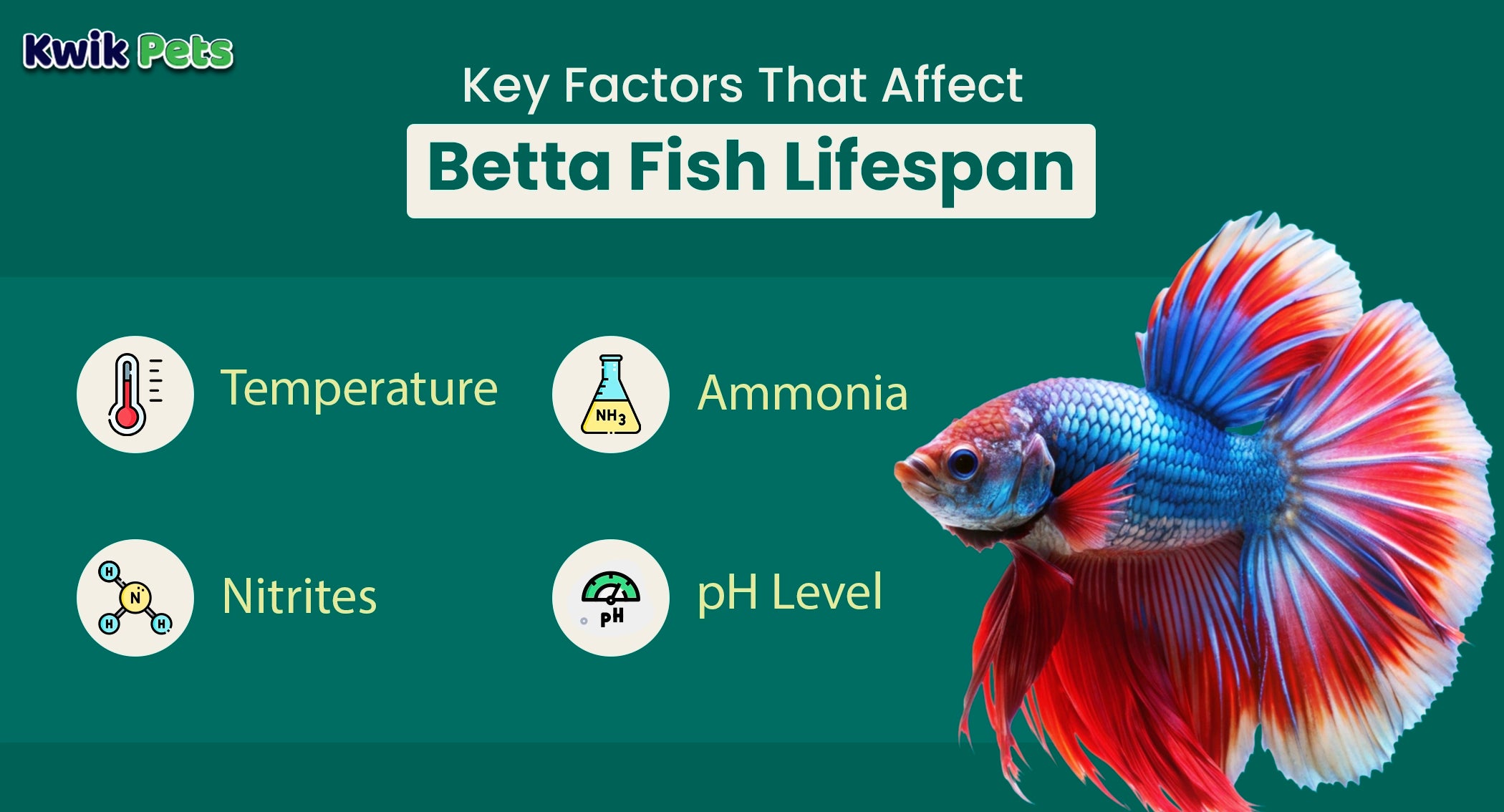
Water quality is the only factor that truly dictates lifespan. Bettas are messy for their size, and in a small tank, ammonia levels can spike in hours. You need to keep ammonia and nitrite at 0 ppm. Nitrates are less dangerous but will stunt growth and weaken the immune system if they climb above 20 ppm.
The nitrogen cycle is the process by which beneficial bacteria convert harmful ammonia into less toxic nitrite, and then into nitrate. It’s the engine that drives a healthy aquarium. Resources from Aqueon offer excellent, easy-to-understand explanations of this process. Regular water changes are crucial to remove excess nitrate and replenish essential minerals. The frequency of these changes depends on the tank size and the effectiveness of your filtration system, but a good starting point is 25-50% weekly.
A reliable water test kit is non-negotiable. I recommend the API Freshwater Master Test Kit; it’s affordable and accurate. Don't forget to treat tap water with a dechlorinator before adding it to the tank, as chlorine and chloramine are harmful to bettas and beneficial bacteria. For filtration, I generally advise against overly complex systems for beginners. A simple sponge filter or a small hang-on-back (HOB) filter is often sufficient.
Tank size and mental stimulation
Let’s put the "betta in a bowl" myth to rest, once and for all. While bettas can survive in small spaces, they certainly don't thrive. A minimum of 5 gallons is essential, and I strongly recommend 10 gallons or more. A larger tank provides more stable water parameters, reducing the frequency of necessary water changes. It also allows for more enrichment opportunities and creates a more natural environment.
Enrichment isn’t about making the tank look pretty (though that’s a nice bonus!). It’s about providing mental stimulation and reducing stress. Live plants, like Anubias or Java Fern, are fantastic – they oxygenate the water, provide hiding places, and create a more natural feel. Driftwood, caves, and smooth rocks also offer enrichment and allow your betta to express natural behaviors.
Tank mates are a tricky subject. While bettas are often kept alone, it is possible to house them with certain compatible species. Snails and shrimp are often recommended, as are some bottom-dwelling fish. However, careful consideration is crucial. Always research compatibility thoroughly and be prepared to separate tank mates if aggression arises. A stressed betta is a less healthy betta.
Diet and Nutrition: Fueling Longevity
Bettas are carnivores, and their diet should reflect that. A high-quality betta pellet should form the staple of their diet. Look for pellets that list fish meal or shrimp meal as the primary ingredient. Avoid pellets with excessive fillers, like corn or wheat. Supplementing with live or frozen foods is also crucial for providing essential nutrients and stimulating their natural hunting instincts.
I feed bloodworms or daphnia twice a week. Frozen is better than freeze-dried, which can expand in the gut and cause swim bladder bloat. If your fish looks like it swallowed a marble, skip feeding for two days. Most people feed too much; two or three pellets twice a day is plenty for an adult.
Consider offering a fasting day once a week. This allows their digestive system to rest and can help prevent bloating. Variety is also important – bettas get bored with the same food every day. Sinking pellets can be beneficial for bettas prone to swim bladder issues, as they encourage a more natural feeding position.
Recognizing and Addressing Illness
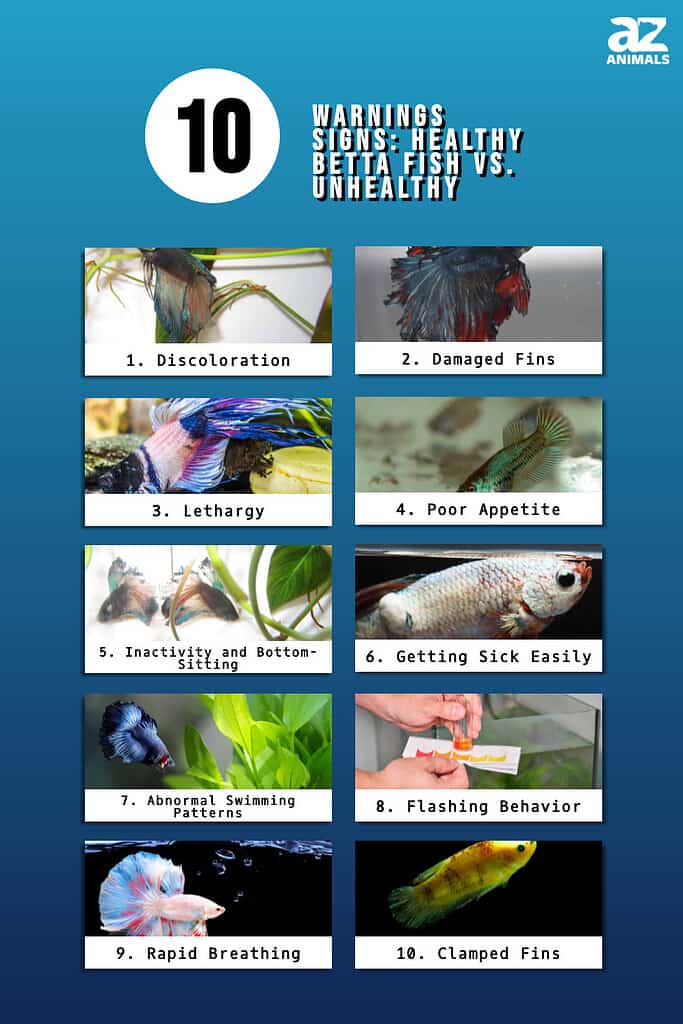
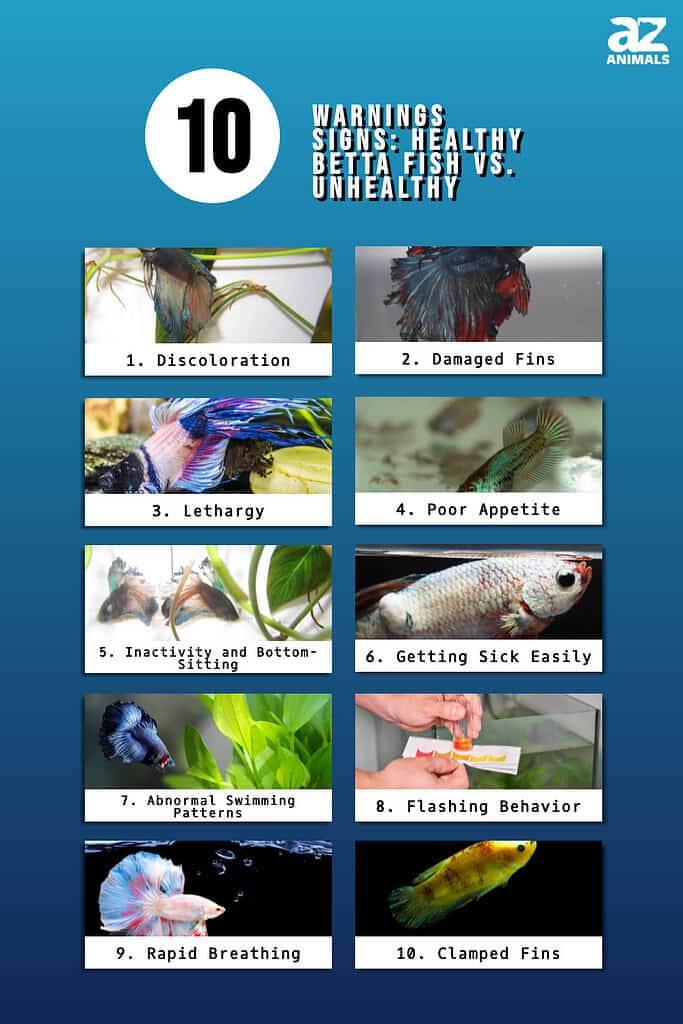
Early detection is key when it comes to betta diseases. Common ailments include fin rot (characterized by ragged or decaying fins), ich (small white spots on the body and fins), velvet (a gold-dust-like coating on the skin), and dropsy (scale pineconing and a swollen abdomen). Knowing the symptoms of each disease is crucial for prompt treatment.
If you suspect your betta is ill, quarantine it immediately in a separate tank to prevent the spread of disease. Treatment options vary depending on the illness. Fin rot often responds well to improved water quality and antibacterial medications. Ich can be treated with aquarium salt or commercially available ich medications. Velvet requires specific medications, and dropsy is often fatal, but early intervention can sometimes improve the outcome.
Preventative care is always the best approach. Maintaining excellent water quality, providing a nutritious diet, and minimizing stress are the best defenses against disease. Pay close attention to your betta’s behavior – any subtle changes, such as loss of appetite, lethargy, or clamped fins, could be an early sign of illness. Observing their normal behavior will help you quickly identify when something is off.
Genetics and Breeding: The Role of Lineage
Selective breeding has had a profound impact on betta health and lifespan. For decades, breeders have prioritized appearance – fin shape, color patterns – over overall health and genetic diversity. This has led to the prevalence of genetic defects and weakened immune systems in many betta lines.
Unfortunately, many bettas sold in pet stores come from mass-breeding operations where health is not a priority. These fish are often more susceptible to disease and have shorter lifespans. Supporting responsible breeders who prioritize health over appearance is crucial for improving the overall quality of the betta gene pool.
It’s important to acknowledge that not all breeders are created equal. Some breeders are genuinely committed to producing healthy, well-adjusted bettas. Do your research, ask questions, and look for breeders who are transparent about their breeding practices. While it can be more expensive, investing in a betta from a reputable breeder is often worth it in the long run.
No comments yet. Be the first to share your thoughts!