

Understanding betta behavior
I'll never forget the first time I noticed my betta, Finn, staring intently at his reflection for a solid ten minutes. It seemed…intense. Was he admiring himself? Angry? Confused? As betta keepers, we’ve all had moments like these, observing behaviors that leave us questioning what's going on inside those little fish brains. We naturally try to interpret their actions, but it’s easy to fall into the trap of projecting human emotions onto them.
The truth is, But that doesn’t mean A lot of what appears random is actually communication – a way for them to express themselves, establish boundaries, and react to their environment. Learning to read these cues is about observing patterns, not assuming intent. It’s about recognizing that a change in behavior often signals something is up, even if
It's a constant process of observation and learning. We need to shift from asking 'What is my betta feeling?' to 'What is my betta doing, and what might that indicate about its well-being?' This more objective approach allows for a deeper, more accurate understanding of these fascinating creatures.
Fin positioning clues
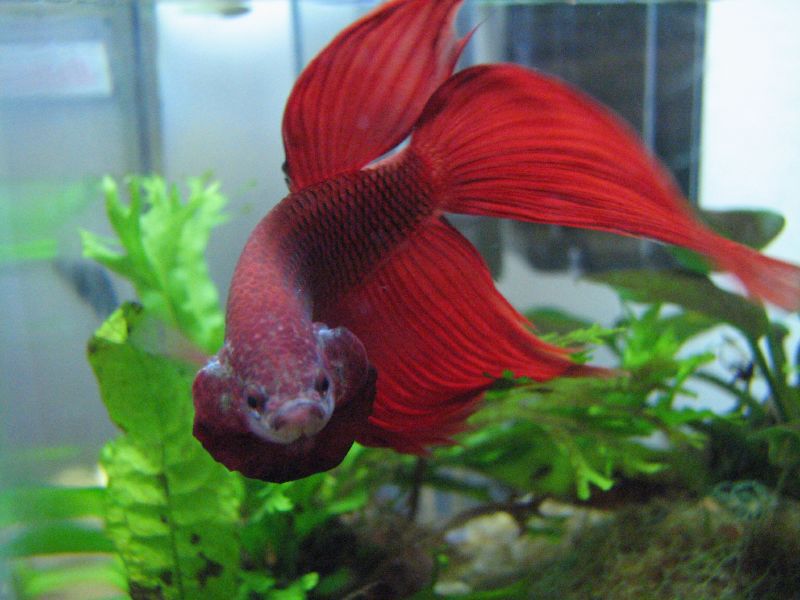
Pay close attention to how your betta holds its fins. Fin positioning is a surprisingly reliable indicator of its overall health and mood. Clamped fins, where the fins are held close to the body, are often a sign of stress or illness. This could be due to poor water quality, a new environment, or the presence of a disease. It’s rarely a good sign if your betta consistently displays this.
Conversely, fanned fins – fully extended and displayed – are usually a sign of dominance or a courtship display. A male betta will flare his fins and operculum to appear larger and more intimidating to rivals. This is a natural behavior, but prolonged flaring, especially if it seems directed at nothing, can be a sign of stress. It's important to remember that a single instance of clamped or fanned fins isn't necessarily cause for alarm, it's the consistency of the behavior that matters.
Nipped or torn fins, on the other hand, suggest aggression – either from another betta or from rough decorations in the tank. Poor water quality can also lead to fin rot, causing the fins to appear frayed and ragged. A 2023 study from the NCBI (pmc.ncbi.nlm.nih.gov) highlighted that consistent fin clamping is a key physiological indicator of stress in Betta splendens, correlating with elevated cortisol levels. Observing these patterns over time, rather than reacting to a single instance, provides the most valuable insight.
Bubble nests and surface behavior
Bubble nests are often associated with breeding, but they don’t always mean your betta is preparing to mate. While males build elaborate bubble nests to attract females and deposit their eggs, they also build them simply because they feel content and secure. A diligent nest builder is actively collecting bubbles and maintaining the structure, whereas a fish occasionally making a few bubbles might just be feeling good.
Surface skimming – briefly rising to the surface to gulp air – is a normal behavior for bettas. They possess a labyrinth organ that allows them to breathe atmospheric air, supplementing the oxygen they extract from the water. This is especially important in tanks with lower oxygen levels. It’s also a way for them to explore their surroundings and investigate smells.
Interestingly, females can also build bubble nests, though it’s less common. This behavior is often seen in females who have been exposed to males or are preparing to spawn. A checklist for assessing bubble nest behavior: Is the nest actively maintained? Is it a large, elaborate structure or just a few bubbles? Is the betta otherwise showing breeding behavior?
Color shifts explained
The idea that betta colors change with mood is widespread, leading many to believe their fish are like underwater mood rings. While it’s true that bettas can change color, it’s rarely a direct reflection of their emotions. The science behind these color shifts lies in specialized pigment cells called iridophores and chromatophores, which respond to various factors like stress, health, and light exposure.
Stress is a major trigger for color changes. A stressed betta might fade in color, becoming pale or washed out. Conversely, a healthy and confident betta will often display vibrant, intense colors. Changes in lighting can also affect color perception; a betta might appear different under different types of light. It’s also important to note that color vibrancy can be an indicator of overall health, but it's not a foolproof measure.
While They can be an early warning sign of illness or stress. It's about recognizing that color shifts are a response to something, even if we don’t immediately know what that something is. A sudden loss of iridescence is always a red flag.
Territorial Displays & Flaring
Flaring – expanding the operculum and fins – is a classic betta behavior, primarily used to establish dominance and defend territory. Bettas are naturally territorial, and they will flare at anything they perceive as a threat, including their own reflection in the mirror. This is a display of aggression, meant to intimidate and ward off potential rivals.
The energy expenditure of flaring is significant. A betta that’s constantly flaring is using a lot of energy and can become stressed. Providing ample space in the tank is crucial to minimize territorial disputes. A tank that's too small will inevitably lead to more flaring and stress. Remember, they need room to establish their own space.
Constant flaring at nothing, or at their own reflection for extended periods, can be a sign of stress, poor eyesight, or even neurological issues. It's a signal that something isn’t right, and warrants closer observation. It’s important to differentiate between healthy displays of dominance and behaviors that indicate distress.
Resting Spots & Tank Exploration
Where your betta chooses to rest can offer clues about its comfort level. Bettas often prefer resting spots that provide a sense of security, such as among the leaves of plants, in a cave, or in a quiet corner of the tank. These spots allow them to feel protected and observe their surroundings without being exposed.
A betta consistently hiding, especially if it’s unusual behavior, might be stressed, unwell, or feeling threatened. It could also indicate that the tank environment isn’t providing enough cover. Conversely, a betta that actively explores the tank, swimming around and investigating different areas, is generally a sign of a healthy and curious fish.
Bettablogging.com notes that a healthy betta will establish a "route’ around the tank, regularly swimming through the same areas. A change in this pattern – staying in one area for extended periods or avoiding certain spots – can indicate something is amiss. Observing these patterns over time is key to understanding your betta"s preferences and recognizing when something is off.
Unusual Swimming Patterns: When to Worry
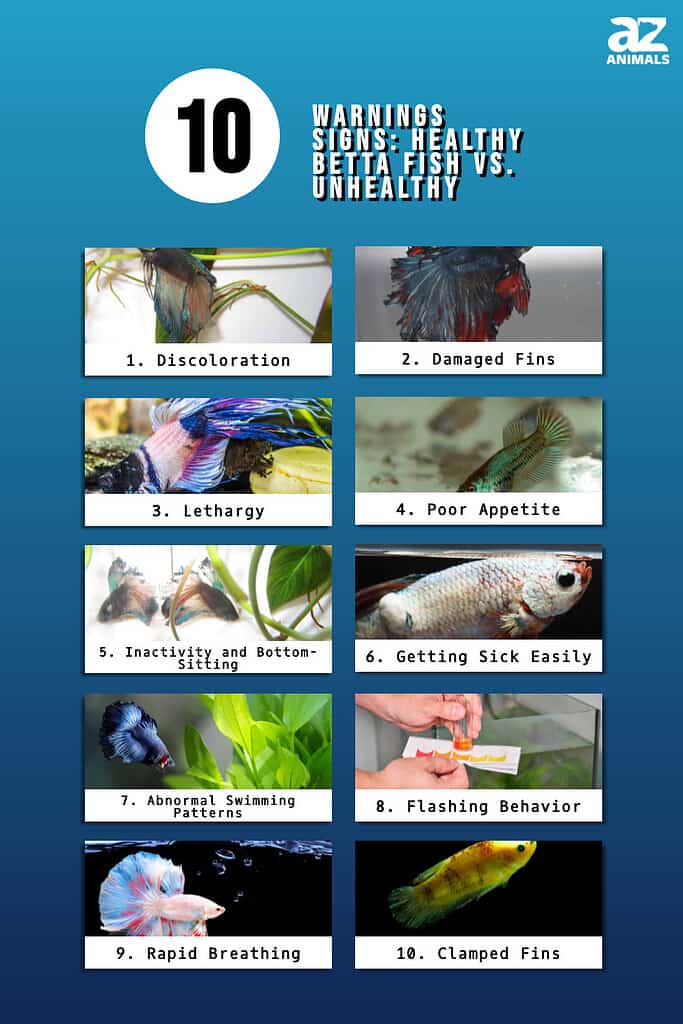
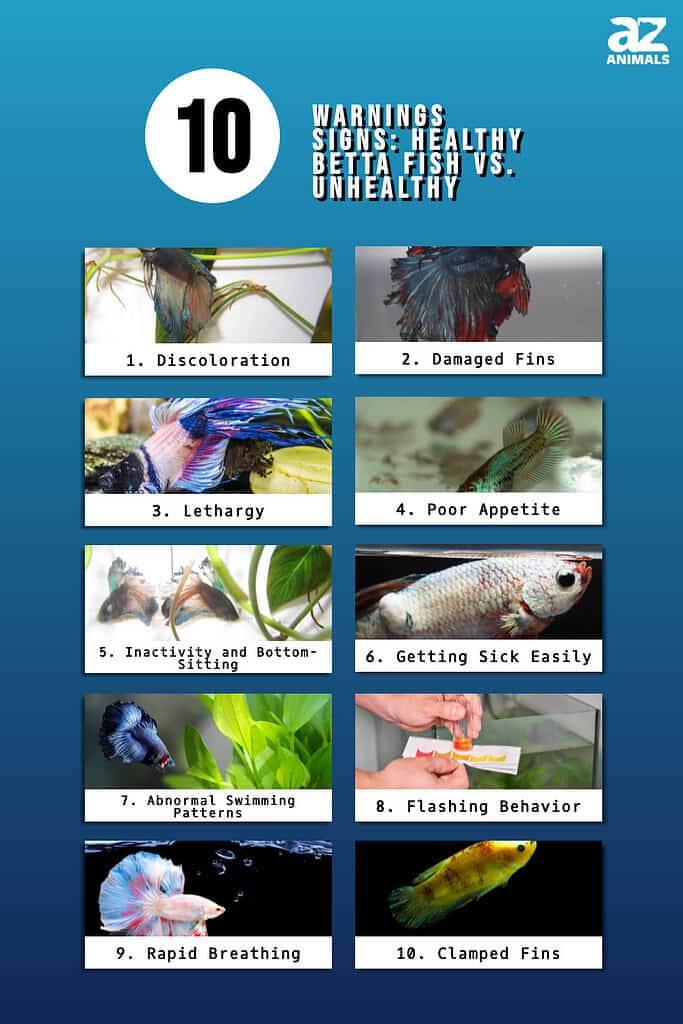
Abnormal swimming patterns are often the first sign that something is wrong with your betta. Look out for behaviors like darting erratically, spinning in circles, sinking to the bottom, or floating uncontrollably. These symptoms can indicate a range of underlying issues, from swim bladder disorder to neurological problems or bacterial infections.
Swim bladder disorder, a common ailment in bettas, affects their ability to control their buoyancy, leading to sinking or floating issues. Neurological problems can cause erratic swimming and loss of coordination. Bacterial infections can also affect swimming ability, causing lethargy and abnormal movements. It’s important to observe these patterns over time, rather than reacting to a single instance.
If you notice any of these abnormal swimming patterns, it’s crucial to consult a veterinarian experienced with fish. Here's a checklist of symptoms that warrant a vet visit: Persistent sinking or floating, erratic darting or spinning, loss of appetite, clamped fins, swollen abdomen, and any visible signs of infection. Early diagnosis and treatment are essential for a successful recovery.
Abnormal Swimming Patterns & Possible Causes
| Swimming Pattern | Possible Causes | Severity | Action Needed |
|---|---|---|---|
| Darting | Sudden fright, stress from environment changes, poor water quality, neurological issues. | Medium | Observe closely for other symptoms. Test water parameters. Ensure adequate hiding places. |
| Spinning | Inner ear infection, swim bladder disorder, neurological damage, or injury. | High | Quarantine the fish immediately. Observe for other symptoms like clamped fins or loss of appetite. Consult a veterinarian specializing in fish. |
| Sinking | Swim bladder disorder, constipation, parasitic infection, age-related decline. | Medium | Adjust feeding – try blanched peas. Monitor for other symptoms. Improve water quality. Consider a salt bath (consult resources for proper dosage). |
| Floating | Swim bladder disorder, excess air in the digestive system, buoyancy issues. | Medium | Adjust feeding – avoid foods that cause bloating. Gently tap the side of the tank to encourage bubble release. Monitor water quality. |
| Erratic/Uncoordinated | Neurological issues, poisoning (ammonia, nitrite, nitrate buildup), bacterial infection. | High | Immediate water quality testing and correction. Observe for other symptoms. Quarantine and consult a veterinarian. |
| Lethargy/Staying at Bottom | Poor water quality, low oxygen levels, illness (bacterial, fungal, parasitic), stress, old age. | Medium | Test water parameters and correct any imbalances. Increase aeration. Observe for other symptoms. Consider a salt bath. |
| Listing (Swimming at an Angle) | Swim bladder disorder, injury, or neurological problem. | Medium | Observe closely for other symptoms. Ensure the fish can reach the surface to breathe. Adjust feeding if swim bladder is suspected. |
Illustrative comparison based on the article research brief. Verify current pricing, limits, and product details in the official docs before relying on it.
The Impact of Tankmates
While bettas are often kept alone, some owners attempt to house them with tankmates. The presence of other fish inevitably alters a betta’s behavior. Even peaceful tankmates can cause stress, leading to changes in swimming patterns, color, and fin positioning. Bettas are naturally territorial, and they may feel threatened by other fish, even if those fish aren’t aggressive.
Stress responses can manifest in various ways, including clamped fins, faded colors, and increased hiding. A betta might also become more aggressive towards its tankmates, or it might become withdrawn and lethargic. It’s important to carefully monitor the betta’s behavior when introducing tankmates.
For these reasons, bettas are generally best kept alone. If you do attempt to house a betta with tankmates, careful consideration is needed. Choose peaceful, non-nippy species, provide plenty of hiding places, and closely monitor the betta for signs of stress. A larger tank is also essential to provide enough space for everyone to establish their own territory.

No comments yet. Be the first to share your thoughts!